

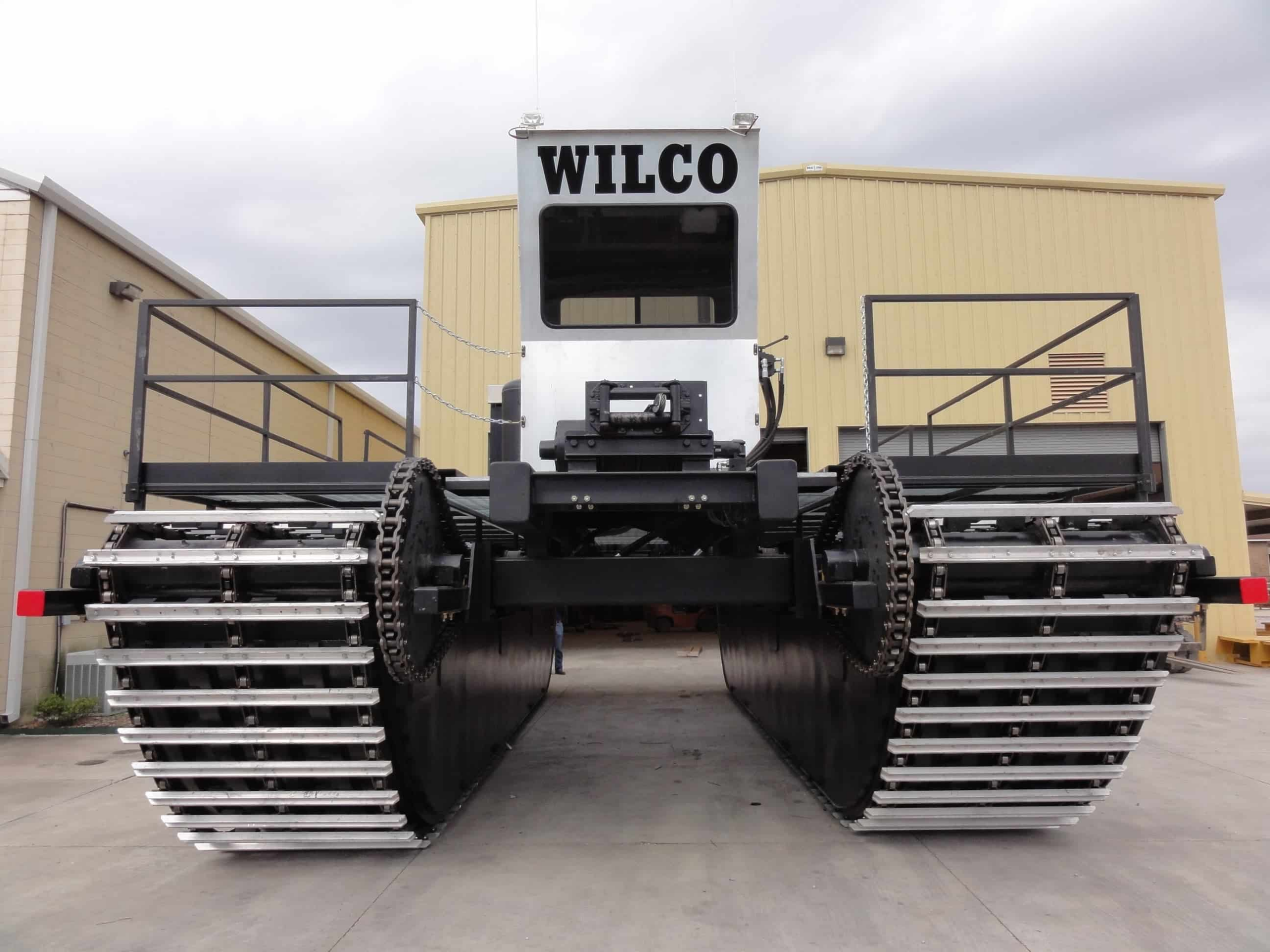
Subaqueous cable laying is a highly specialized infrastructure process that enables the installation of power cables, communication lines, and fiber-optic networks beneath shallow water bodies, wetlands, and soft-soil environments. These projects play a vital role in supporting offshore energy systems, coastal connectivity, renewable energy grids, and modern communication networks.
Unlike conventional land-based installation methods, subaqueous cable projects require seamless coordination between marine operations, land logistics, and wetland mobility. This is where amphibious systems, including solutions developed by Wilco Marsh Buggies, become essential in ensuring efficient material movement and operational continuity across complex terrain.
A key component of this ecosystem is the use of amphibious cargo carriers, designed to transport heavy cable drums, installation tools, and support equipment across marshes, swamps, and shallow water zones without requiring permanent infrastructure.
Understanding Subaqueous Cable Laying Operations
Subaqueous cable laying involves the installation of cables beneath water-covered surfaces or saturated ground layers. These cables are essential for:
- Offshore wind farm connections
- Subsea communication systems
- Coastal energy distribution
- Industrial and utility networks
- Environmental monitoring systems
These projects often span multiple environments, transitioning between land, wetland, and submerged zones. Because of this, logistics must be designed to handle continuous movement of materials across unstable and variable terrain.
The success of such projects depends not only on installation technology but also on the ability to deliver materials precisely where they are needed, at the right time, and under controlled conditions.
Logistics Challenges in Subaqueous Cable Projects
Subaqueous cable laying introduces a unique set of logistical requirements due to the nature of the working environment.
One of the main challenges is terrain transition. Projects often move from solid ground to marshland and into shallow water, requiring equipment that can adapt seamlessly across all conditions.
Another challenge is material handling. Cable drums are heavy, large, and sensitive to handling conditions, requiring stable transport systems to maintain efficiency during movement.
Access limitations also play a major role. Many cable routes pass through remote wetlands where traditional transport infrastructure cannot be developed without environmental disruption.
Additionally, project timing and coordination are critical. Cable installation operations require synchronized delivery of materials to avoid delays in deployment sequences.
Role of Amphibious Cargo Carriers in Cable Logistics
Amphibious cargo carriers are purpose-built transport systems designed to operate efficiently across land and water interfaces. They are engineered with low-ground-pressure designs or flotation-based systems that allow them to move heavy loads across marshes, wetlands, and shallow water environments.
These carriers are especially valuable in subaqueous cable projects because they eliminate the need for fixed access roads or temporary ground reinforcement. Instead, they provide direct mobility to installation zones.
By integrating amphibious carriers into project logistics, contractors can achieve smoother material flow, improved operational timing, and greater flexibility in project execution.
Advanced solutions such as those provided by amphibious cargo carriers are specifically designed to handle heavy-duty transport requirements in wetland environments while maintaining stability and efficiency.
How Amphibious Cargo Carriers Improve Cable Laying Efficiency
One of the most important advantages of amphibious cargo carriers is their ability to streamline logistics operations across difficult terrain.
They allow direct transport of cable reels from staging areas to installation points, reducing handling steps and minimizing delays. This ensures that installation crews receive materials exactly when needed.
Their ability to operate continuously across mixed terrain improves workflow consistency, particularly in projects involving fragmented landscapes or water channels.
By reducing dependency on traditional transport infrastructure, these systems help maintain operational continuity even in remote or environmentally sensitive regions.
Integration with Cable Installation Systems
Amphibious cargo carriers are typically integrated into a larger ecosystem of cable installation equipment. This includes:
- Cable reel trailers
- Tensioning systems
- Floating installation platforms
- Trenching and burial equipment
- On-site staging systems
Within this framework, amphibious carriers serve as the primary logistics bridge between storage areas and installation zones.
Their ability to transport materials directly to deployment points ensures better coordination between different stages of cable laying operations.
Importance of Load Stability in Wetland Transport
Load stability is a critical factor in subaqueous cable logistics. Cable drums and associated equipment must remain secure during transport across uneven terrain.
Amphibious cargo carriers are designed with wide load distribution systems that help maintain balance and stability even in soft or water-saturated ground conditions.
This ensures smooth movement across wetlands and reduces unnecessary handling, which helps preserve cable integrity and installation quality.
Environmental Considerations in Cable Laying Logistics
Modern infrastructure development increasingly focuses on minimizing environmental impact, especially in sensitive ecosystems such as wetlands and coastal zones.
Amphibious cargo carriers support these objectives by reducing the need for ground disturbance and permanent infrastructure development. Their low-impact design helps preserve natural terrain while enabling essential project operations.
By limiting surface disruption and maintaining controlled movement, these systems align with sustainable construction practices and environmental protection standards.
Supporting Offshore and Nearshore Cable Projects
Subaqueous cable systems often form part of larger offshore infrastructure networks, including renewable energy installations such as wind farms and intercontinental communication systems.
Amphibious cargo carriers play a crucial role in nearshore logistics, bridging the gap between land-based staging areas and offshore installation vessels.
This integration ensures smooth transition of materials from terrestrial logistics systems into marine deployment operations.
Operational Planning and Project Coordination
Effective planning is essential for successful subaqueous cable installation.
Project teams must evaluate terrain conditions, water levels, load requirements, and environmental regulations before selecting appropriate logistics systems.
Amphibious cargo carriers offer flexible deployment options that support dynamic project planning. Their adaptability allows teams to adjust routes and delivery schedules based on real-time site conditions.
This flexibility significantly improves coordination between logistics teams, engineers, and installation crews.
Advantages of Amphibious Cargo Carriers
The use of amphibious cargo carriers in subaqueous cable projects provides multiple operational advantages:
- Improved access to remote installation zones
- Efficient transport of heavy cable drums
- Reduced dependency on temporary infrastructure
- Seamless movement across land and water interfaces
- Enhanced coordination of installation workflows
- Lower environmental impact compared to traditional methods
These benefits contribute to more efficient, predictable, and well-coordinated cable laying operations.
Future of Subaqueous Cable Logistics
As global demand for energy and communication infrastructure continues to grow, subaqueous cable projects are becoming increasingly large-scale and technically complex.
Future logistics systems are expected to incorporate automation, intelligent navigation, and advanced load monitoring technologies to further improve efficiency.
Amphibious systems will continue to evolve, offering greater precision, improved energy efficiency, and enhanced operational control across challenging environments.
Companies like Wilco Marsh Buggies are actively contributing to this evolution by developing specialized amphibious solutions designed for modern infrastructure needs.
Conclusion
Subaqueous cable laying requires highly coordinated logistics systems capable of operating across diverse and challenging environments. Amphibious cargo carriers play a central role in this process by enabling efficient transport of materials across wetlands, marshes, and shallow water zones.
By improving mobility, reducing infrastructure dependency, and supporting seamless land-to-water transitions, these systems significantly enhance project efficiency and execution quality.
With continued advancements in amphibious technology and logistics planning, subaqueous cable installation projects will become even more efficient, precise, and adaptable supporting the growing global demand for reliable energy and communication networks. For project inquiries, technical support, or equipment consultation, you can visit the contact page.
Frequently Asked Questions
1. What is subaqueous cable laying?
It is the process of installing power or communication cables beneath water bodies or saturated ground areas like wetlands and shallow seas.
2. Why are amphibious cargo carriers used in cable projects?
They help transport heavy cable drums and equipment across wetlands, shallow water, and soft terrain efficiently.
3. What challenges exist in subaqueous cable logistics?
Challenges include difficult terrain access, heavy load handling, and transitioning between land and water environments.
4. How do amphibious systems improve efficiency?
They enable continuous movement of materials without needing permanent roads or heavy ground preparation.
5. Which industries use subaqueous cable installation?
Energy, telecom, offshore wind, utilities, and marine infrastructure industries commonly use these systems.