

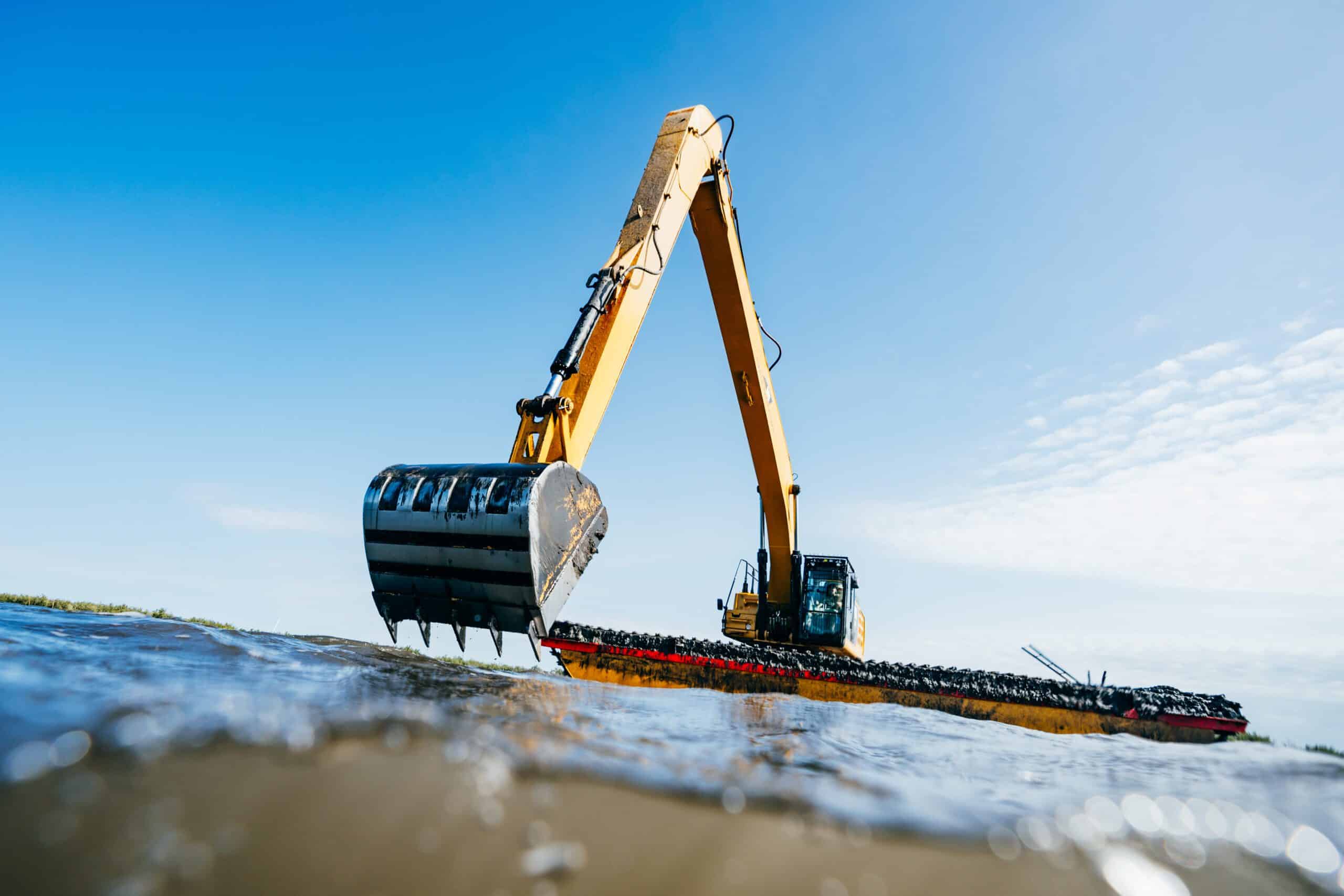
Installing utility poles is a fundamental part of building and maintaining power distribution, telecommunications, and infrastructure networks. However, not all job sites provide stable or accessible ground conditions. In many real-world projects, crews are required to work in wetlands, marshes, swamp regions, flood-prone zones, and areas with standing water.
These environments introduce serious engineering, safety, and logistical challenges. Soft soil conditions, unstable ground bearing capacity, and submerged terrain make traditional utility installation equipment ineffective or unsafe. To overcome these challenges, specialised machinery is required particularly the digger derrick solutions, a highly versatile machine designed for drilling, lifting, and setting utility poles in a single integrated system.
At Wilco Marsh Buggies, the focus is on providing advanced amphibious and marsh-capable equipment solutions that allow infrastructure development in environments where conventional machinery cannot operate.
Challenges of Installing Utility Poles in Standing Water
Working in standing water environments is significantly more complex than dry land construction. The biggest challenge is unstable ground. Water-saturated soil loses its structural strength, making it difficult for heavy equipment to maintain balance during drilling and lifting operations.
In wetlands and marshes, soil conditions can vary within short distances. One section may appear solid while another may collapse under pressure. This unpredictability increases the risk of equipment sinking or tipping if not properly supported.
Access limitations also create major operational difficulties. Standard utility trucks cannot reach flooded or soft terrain areas without specialised transport systems. This is where amphibious carriers and marsh-based machines become essential.
At digger derrick equipment for wetland operations, machinery is designed specifically to operate in these environments, combining mobility, flotation support, and heavy-duty lifting capability.
Water presence also reduces visibility and complicates subsurface assessment. Operators must carefully evaluate soil depth, sediment consistency, and hidden obstacles before beginning any drilling work.
What Makes a Digger Derrick Essential for Utility Work
A digger derrick is a multifunctional utility machine that combines three essential operations: drilling holes, lifting poles, and setting them into position. This integration makes it one of the most efficient machines in utility construction.
According to industry definitions, utility pole installation equipment is widely used in electrical and telecommunications infrastructure projects because it reduces the need for multiple machines and improves operational efficiency in the field.
The machine typically includes a hydraulic auger system for drilling and a boom-mounted winch for lifting heavy poles and materials. This combination allows operators to perform complex tasks with precision and control.
In wetland environments, this efficiency becomes even more valuable because it reduces time spent in unstable terrain and minimises risk exposure for workers.
Operating Digger Derricks in Wet and Marsh Conditions
When working in standing water, stability is the most critical factor. Before any operation begins, the site must be carefully evaluated to assess soil strength, water depth, and load-bearing capacity.
Digger derricks rely on outriggers to stabilise the machine during lifting and drilling. However, in wet environments, outriggers alone are often not enough. Additional stabilisation systems such as timber mats, steel plates, or engineered flotation platforms may be required.
In more extreme cases, equipment is transported using amphibious carriers designed specifically for wetlands. These machines distribute weight across a larger surface area, preventing sinking and improving mobility across soft terrain.
At amphibious marsh buggy equipment, such systems are designed to support heavy utility machinery in areas where traditional vehicles fail.
Once properly positioned, the digger derrick can safely operate its hydraulic systems for drilling and lifting even in challenging waterlogged conditions.
Drilling Utility Pole Holes in Standing Water
Drilling in submerged or saturated soil requires precise control and specialised techniques. Unlike dry ground, waterlogged soil does not provide consistent resistance, which can affect drilling accuracy.
Digger derricks use hydraulic augers that can be adjusted for different soil types, including mud, clay, and soft sediment layers. In unstable ground, wider auger bits may be used to improve hole stability.
One of the key challenges is hole collapse. Because wet soil lacks cohesion, drilled holes may begin to cave in immediately after excavation. Operators must therefore manage drilling speed, depth, and soil displacement carefully.
In deeper water conditions, the drilling process may extend below the water table, requiring accurate depth control to ensure proper pole placement and long-term stability.
Lifting and Setting Utility Poles in Wet Terrain
Once the hole is prepared, the digger derrick’s lifting system is used to position the utility pole. The hydraulic boom provides precise control, allowing operators to lift and place poles safely into vertical alignment.
In standing water conditions, even small shifts in load distribution can affect stability. Operators must continuously monitor boom angle, load weight, and ground response during the lift.
After placement, the pole is carefully lowered into the hole and temporarily stabilised. Depending on site conditions, reinforcement methods such as gravel backfill, concrete footings, or deep anchoring systems may be required to ensure long-term durability.
Role of Marsh and Amphibious Equipment in Pole Installation
Standard utility vehicles cannot operate effectively in wetlands or standing water environments. This is where amphibious equipment becomes essential.
Marsh buggies are specifically engineered to operate in swamp, marsh, and shallow water environments by distributing weight across wide tracks or flotation systems. This prevents sinking and allows heavy machinery to access remote job sites.
When combined with digger derricks, these systems enable full utility pole installation in areas that would otherwise be inaccessible.
At marsh buggy utility solutions, this combination of amphibious mobility and utility-grade lifting capability ensures safe and efficient operation in extreme terrain.
Safety Considerations in Standing Water Operations
Safety is a major priority in wetland construction environments. Standing water increases risks such as slipping hazards, unstable ground collapse, hidden debris, and electrical exposure.
Before operations begin, a full risk assessment is required. This includes evaluating soil stability, water depth, underground utilities, and environmental conditions.
Operators must follow strict load limits and manufacturer guidelines to prevent equipment failure or tipping. Proper communication between ground teams and machine operators is also essential to ensure coordinated movement.
Additional safety measures such as flotation devices, emergency response planning, and PPE are critical when working in remote or flooded areas.
Engineering Considerations for Long-Term Pole Stability
Installing a utility pole is only the first step; ensuring long-term stability is equally important. Standing water environments expose poles to erosion, shifting soil, and seasonal flooding.
To counter these risks, engineers may use deeper embedment, reinforced foundations, or concrete collars around the base. In some cases, piling systems are installed to anchor poles into deeper, more stable soil layers.
Corrosion-resistant materials are also important in wet environments to extend structural lifespan and reduce maintenance requirements.
Why Digger Derricks Are Ideal for Extreme Terrain
Despite the challenges of standing water environments, digger derricks remain one of the most efficient and reliable solutions for utility pole installation.
Their ability to combine drilling, lifting, and setting operations into a single machine reduces the need for multiple units and improves operational efficiency. Hydraulic control systems provide precision even in unstable conditions.
When paired with amphibious transport systems like marsh buggies, digger derricks become powerful tools capable of operating in some of the most difficult terrain in the infrastructure industry.
Final Thoughts
Installing utility poles in standing water requires specialised equipment, careful planning, and skilled operation. Digger derricks play a central role in these projects by combining efficiency, precision, and versatility in a single machine.
However, success depends on more than just machinery it requires proper site assessment, safety protocols, and amphibious support systems to ensure stability and performance.
For more information about specialised equipment, visit digger derrick systems or for project assistance and enquiries, contact contact Wilco team.
Frequently Asked Questions
1. What is a digger derrick used for?
A digger derrick is used for drilling holes, lifting utility poles, and setting them into place for electrical and telecom installations.
2. Can digger derricks work in standing water?
Yes, with proper stabilisation and amphibious support equipment, digger derricks can operate safely in wet and marsh environments.
3. Why is pole installation difficult in wet ground?
Wet ground is unstable and has low load-bearing capacity, making it harder for heavy machinery to stay stable during lifting and drilling.
4. What equipment supports digger derricks in marsh areas?
Marsh buggies and amphibious carriers are often used to transport and stabilise digger derricks in wet terrain.
5. How do you ensure safety during installation?
Safety is maintained through site assessment, load control, stabilisation systems, PPE, and strict operational guidelines.