

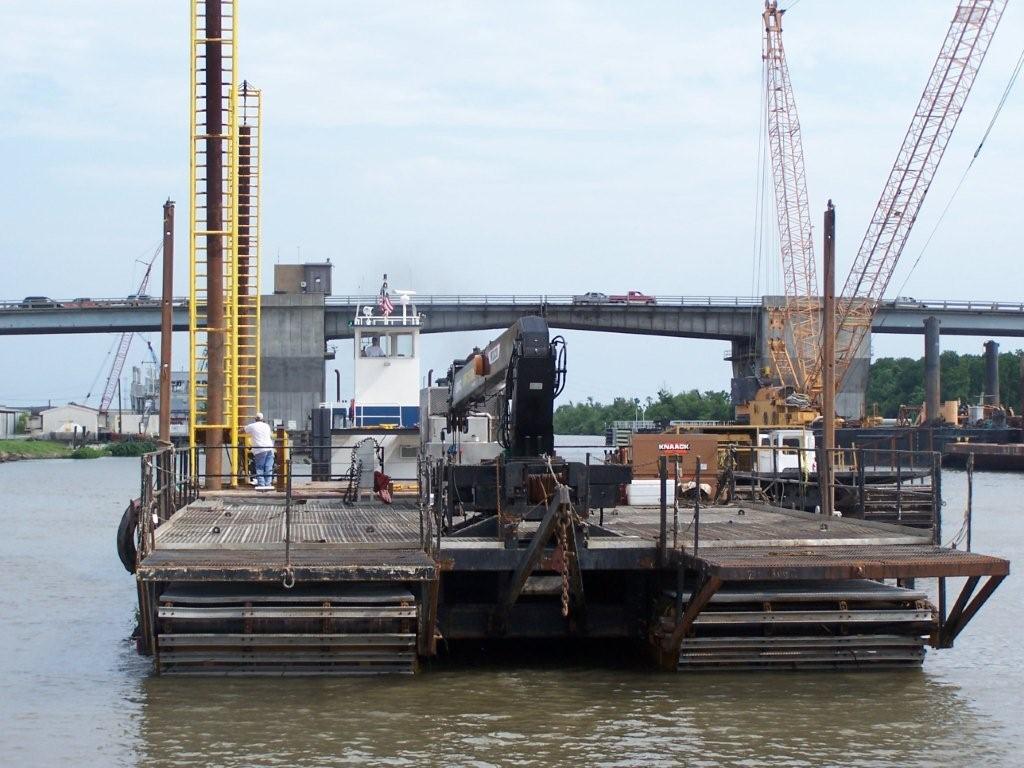
Wetlands, swamps, and marshy terrain have always presented a unique challenge for construction, environmental restoration, and land-clearing projects. Standard machinery simply cannot operate in soft, waterlogged ground without sinking or causing damage to the surrounding ecosystem. This is where marsh equipment comes in. Over the decades, this specialized category of machinery has evolved significantly, from basic marsh buggies built for access to the sophisticated amphibious excavators used across industries today.
In this article, we explore the history of marsh equipment, how it has developed over time, and how modern amphibious excavators have become essential tools for working in wetlands, swamps, and other difficult terrain.
What Is Marsh Equipment?
Marsh equipment refers to specialized machinery designed to operate on soft, wet, or unstable ground where conventional equipment cannot go. This includes marshland, swamps, bogs, floodplains, and other low-bearing-capacity terrain.
Unlike standard construction equipment, marsh equipment is built with features such as wide tracks, pontoons, or buoyant undercarriages that distribute weight evenly and allow the machine to float or glide over soft surfaces.
The need for this type of equipment grew alongside industries such as oil and gas exploration, pipeline construction, land reclamation, environmental restoration, and vegetation management.
The Early Days: The First Marsh Buggies
The earliest forms of marsh equipment date back to the mid-20th century when oil and gas companies began exploring wetland regions along the Gulf Coast of the United States. Traditional trucks and tractors were unsuitable for these environments because their wheels would sink into the mud.
To solve this problem, engineers developed what became known as the marsh buggy. These early machines were modified vehicles fitted with oversized wheels or tracks designed to spread weight over a larger surface area, reducing ground pressure and allowing movement through soft terrain.
Early marsh buggies were relatively simple in design. They were often built by attaching large steel drums or pontoon-style wheels to a basic frame powered by a diesel engine.
The Shift Toward Amphibious Capability
As demand grew for equipment that could work not only on soft ground but also in standing water, engineers began developing amphibious designs. This marked a major turning point in the evolution of marsh equipment.
Amphibious machines were built with sealed, buoyant undercarriages that allowed them to float while maintaining enough traction and stability to operate on land.
The introduction of amphibious excavators combined the digging and lifting capabilities of a standard excavator with the mobility of a floating track-driven undercarriage. Operators could now dredge, excavate, and clear vegetation in areas that were previously inaccessible.
How Marsh Buggy Excavators Evolved Over Time
The marsh buggy excavator represents one of the most significant developments in wetland machinery. Early versions offered limited reach and digging capability, but advancements in hydraulic technology transformed them into highly capable machines.
Modern marsh buggy excavators, also known as swamp buggy excavators or swamp excavators, now feature reinforced hydraulic systems, extended reach arms, and rotating undercarriages that allow 360-degree movement even while floating.
Evolution of Marsh Equipment
| Era | Equipment Type | Key Features | Common Uses |
|---|---|---|---|
| 1950s–1960s | Early Marsh Buggies | Oversized wheels or drums, basic diesel power | Oil and gas exploration access |
| 1970s–1980s | Improved Marsh Excavators | Wider tracks, improved ground pressure distribution | Pipeline construction, land clearing |
| 1990s–2000s | Amphibious Excavators | Sealed pontoon undercarriages, floating capability | Wetland restoration, dredging |
| 2010s–Present | Long Reach Amphibious Excavators | Extended booms, advanced hydraulics, rotating undercarriages | Environmental projects, canal maintenance, aquatic weed control |
Understanding Modern Amphibious Excavators
A modern amphibious excavator is purpose-built to operate in wetlands, swamps, lakes, rivers, and other soft or submerged terrain.
Unlike a standard excavator mounted on rubber tires or steel tracks, an amphibious digger uses pontoon-style tracks that provide buoyancy and stability across both land and water.
Industries That Use Amphibious Excavators
- Environmental restoration and wetland management
- Flood control and canal maintenance
- Oil, gas, and pipeline construction
- Aquatic vegetation and invasive species removal
- Dredging of ponds, lakes, and waterways
- Land reclamation projects
Pontoon Excavators and Their Role
A pontoon excavator is a specific type of amphibious excavator that relies on sealed, buoyant pontoons attached to a track system. These pontoons allow the machine to float while still providing enough grip and stability to perform digging or lifting operations.
Pontoon excavators are particularly useful for deep-water dredging projects and areas with little or no solid ground support.
Long Reach Amphibious Excavators
For projects requiring extended access, a long reach amphibious excavator is often the preferred choice. These machines are equipped with extended boom arms that allow operators to excavate, dredge, or clear vegetation from a greater distance.
This minimizes movement through sensitive wetland environments and helps reduce environmental impact.
Why Marsh Equipment Matters Today
As industries continue expanding into wetland regions, the importance of marsh equipment has grown significantly. Swamp equipment enables organizations to complete projects that would otherwise be impossible or highly disruptive to fragile ecosystems.
Beyond industrial applications, marsh equipment plays a vital role in wetland restoration, invasive species management, canal maintenance, and environmental protection.
At Wilco Marsh Buggies, the evolution of marsh equipment reflects a commitment to balancing performance with environmental responsibility.
Choosing the Right Marsh Equipment for Your Project
Selecting the right marsh buggy excavator or amphibious digger depends on several factors, including terrain type, water depth, required reach, and project scope.
Factors to Consider
- Ground conditions and soil stability
- Water depth and site accessibility
- Required reach and digging depth
- Attachment compatibility
- Project duration and productivity requirements
Working with an experienced equipment provider helps ensure the correct machinery is selected for maximum efficiency and reliability.
Final Thoughts
From the earliest marsh buggies developed for oil field access to today’s advanced amphibious excavators, marsh equipment has evolved dramatically. Each innovation has been driven by the need to work safely and efficiently in environments that conventional machinery cannot access.
As wetland and marshland projects continue to grow in complexity, choosing the right equipment is essential for successful operations. Amphibious excavators provide the performance, stability, and versatility needed to handle challenging environments while helping protect sensitive ecosystems.
If you are looking for reliable marsh equipment or need expert guidance selecting the right amphibious excavator for your project, contact Wilco Marsh Buggies today.
Frequently Asked Questions
What is the difference between a marsh buggy and an amphibious excavator?
A marsh buggy is generally designed for access and transport across soft, muddy terrain, while an amphibious excavator combines that same terrain access with a full excavation system, allowing it to dig, lift, and move material while on land or floating in water.
What industries use amphibious excavators?
Amphibious excavators are used in oil and gas, pipeline construction, environmental restoration, flood control, dredging, and aquatic vegetation management, among other industries that require access to wetlands and waterways.
How does a pontoon excavator stay afloat?
A pontoon excavator uses sealed, buoyant pontoons attached to its track system, which displace water and allow the machine to float while still maintaining stability for digging or lifting operations.
Can a swamp buggy excavator work on both land and water?
Yes, most modern swamp buggy excavators are designed with amphibious capability, meaning they can transition between soft ground, shallow water, and fully submerged conditions depending on the design of the undercarriage.
Why is a long reach amphibious excavator used for wetland projects?
A long reach amphibious excavator allows operators to access distant or sensitive areas without moving the machine directly into fragile terrain, helping to reduce environmental disturbance during projects such as canal clearing or vegetation removal.