Lakes and canals rarely fail all at once. Instead, they fill in slowly. Silt washes in from surrounding land, leaves and plant matter settle on the bottom, and nutrients from runoff accumulate in the sediment. Over several years, a once clear waterway can become...
Coastal construction depends on one thing that is easy to overlook: the condition of the seabed, the shoreline, and the shallow water between them. Ports need deep channels, seawalls need stable foundations, and eroded beaches need fresh sediment. Ocean dredging is...
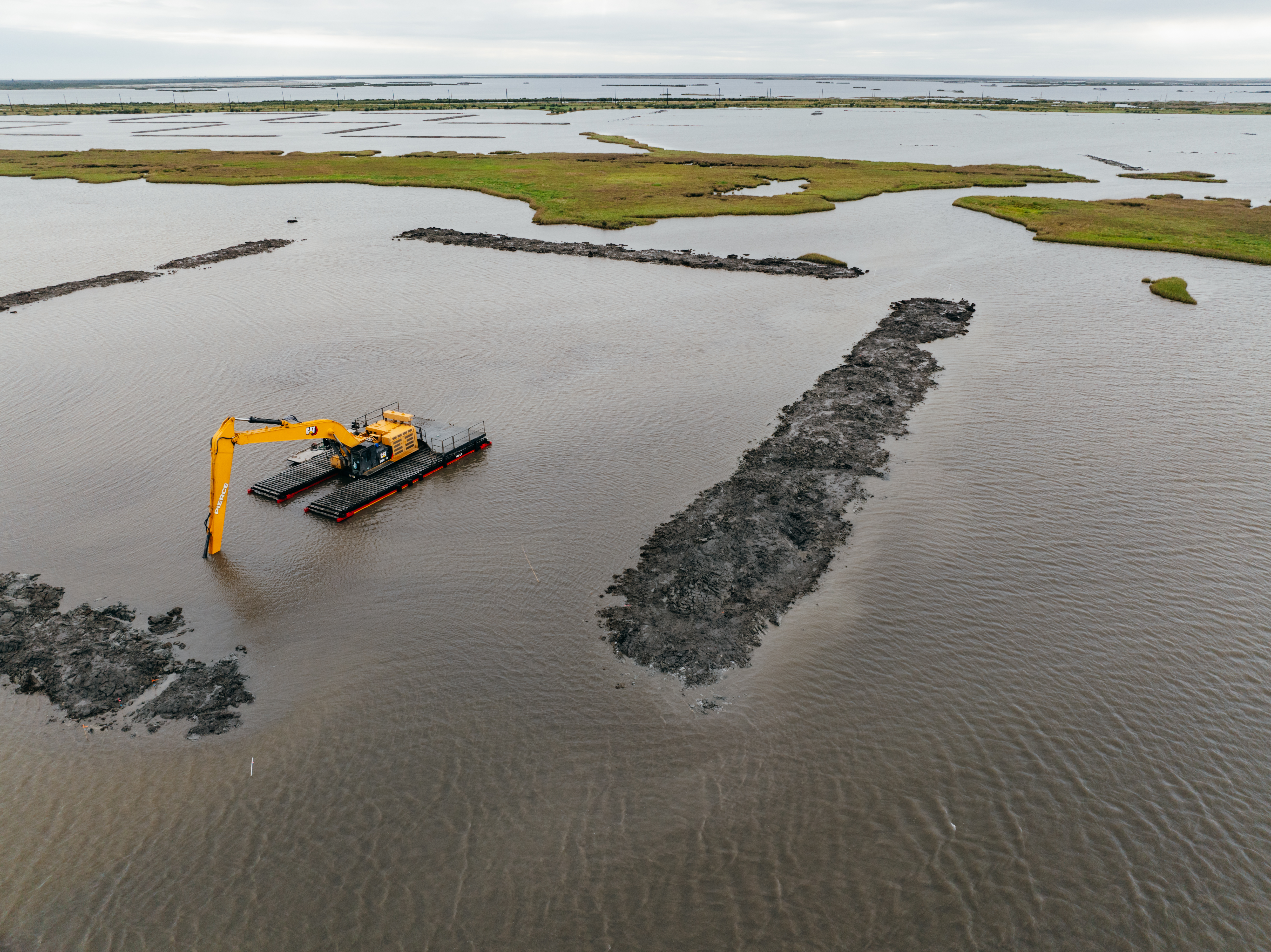
Working near lakes, canals, marshes, and coastal wetlands puts crews and equipment in conditions that standard machinery was never built to handle. Soft mud, shallow water, and unstable banks turn ordinary excavation into a serious safety concern. A floating excavator...
Working in wetlands, swamps, and marshland job sites comes with a unique set of obstacles that standard construction equipment is not built to handle. Soft mud, standing water, and unstable soil can turn a straightforward project into a slow, costly struggle....
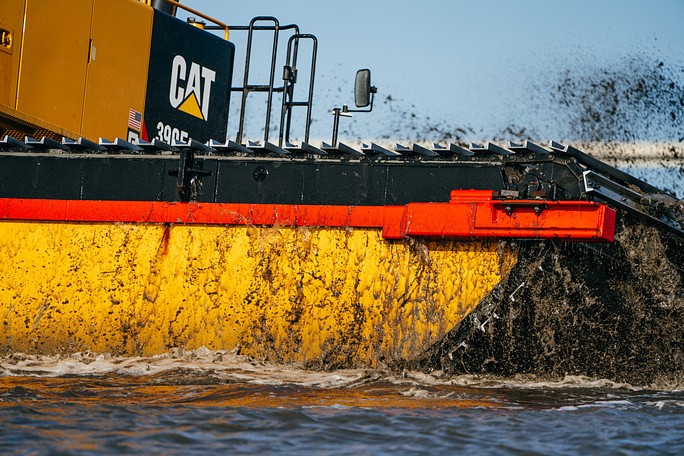
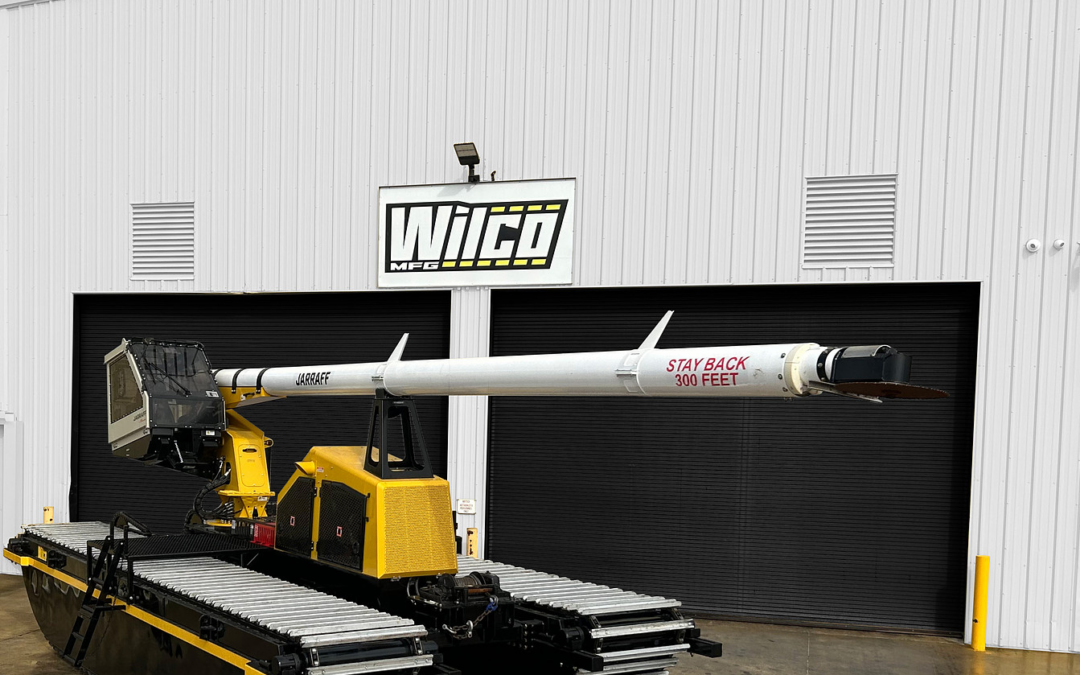
Construction crews have always had to deal with ground they cannot control. Marshes, floodplains, riverbanks, and coastal wetlands do not behave like a dry job site, and standard machinery was never built to handle them. Over the past several decades, amphibious...
Working in wetlands, marshes, or flood prone areas comes with challenges that standard construction equipment cannot handle. Soft mud, shallow water, and unstable ground can bring a project to a halt before it even begins. This is where an amphibious excavator becomes...