

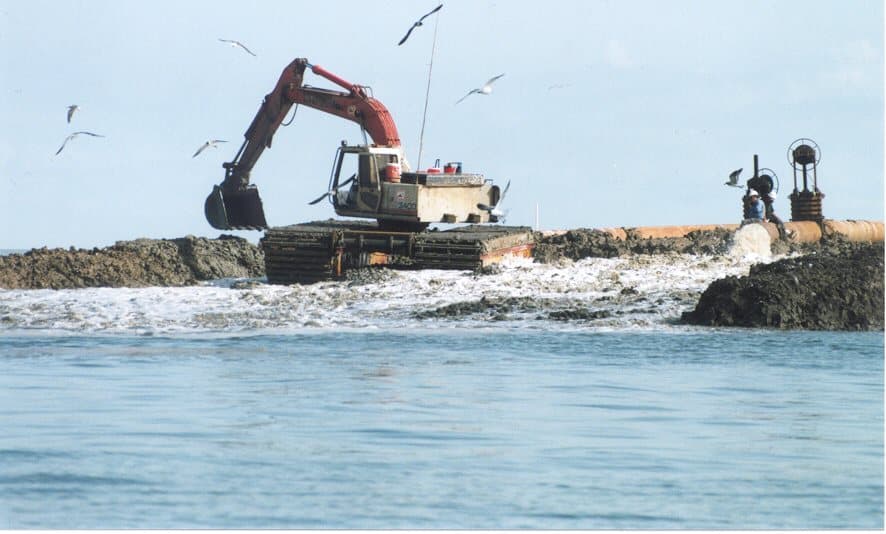
Marsh and wetland construction sites present a unique set of challenges that standard machinery simply cannot handle. Soft, saturated ground, standing water, and unstable soil conditions mean that conventional excavators often sink, get stuck, or cause serious damage to the surrounding environment. This is where a swamp excavator becomes a necessary piece of equipment rather than an optional upgrade.
A swamp excavator, sometimes called a marsh excavator or amphibious excavator, is built specifically to operate in low ground pressure environments. These machines allow contractors to work efficiently in areas that would otherwise be inaccessible, including flooded fields, retention ponds, riverbanks, and dense wetland vegetation.
In this article, we will look at what makes swamp excavators different from standard equipment, where they are used, and what to consider when selecting the right machine for a marsh or wetland project.
What Is a Swamp Excavator
A swamp excavator is a modified excavator designed to work on soft, wet, or partially submerged ground. Unlike traditional excavators that run on steel tracks, a swamp buggy excavator typically uses wide pontoons or an amphibious undercarriage excavator system. This design spreads the weight of the machine across a much larger surface area, which reduces ground pressure and prevents sinking.
Some models are fully amphibious, meaning they can float and operate directly in water. These are often referred to as a floating excavator or pontoon excavator. Others are designed to move across mud and marsh terrain without necessarily floating, relying instead on their wide track system for stability.
The core purpose of an excavator in swamp conditions remains the same across all designs: to provide access and digging capability in environments that would damage or completely halt operations for standard machinery.
How Amphibious Excavators Are Built for Wetland Work
The engineering behind an amphibious digger is centered around three main factors: flotation, stability, and reach.
Pontoon and Undercarriage Design
Most amphibious excavator undercarriages are fitted with large steel pontoons instead of standard tracks. These pontoons increase the machine’s footprint significantly, distributing weight over a wider area. This is what allows an amphibious swamp buggy to move across mud, shallow water, or even open water without becoming stuck.
Extended Reach Capability
Many wetland projects require equipment that can dig or clear vegetation from a distance without the machine having to enter the most unstable parts of a site. A long reach amphibious excavator is designed with an extended boom and arm, allowing operators to work from firmer ground while still reaching deep into a marsh or wetland area. This is particularly useful for canal maintenance, shoreline restoration, and vegetation removal projects.
Low Ground Pressure
Ground pressure is measured in pounds per square inch, and it determines how likely a machine is to sink into soft terrain. A marsh buggy excavator is engineered to keep this pressure as low as possible, often significantly lower than a person walking on the same ground. This is one of the main reasons these machines can operate in areas that would be completely inaccessible to standard construction equipment.
Common Applications for Swamp and Marsh Excavators
Swamp excavators are used across a wide range of industries and project types. Below are some of the most common applications.
Wetland Restoration and Environmental Projects
Environmental agencies and contractors use these machines to restore natural wetland habitats, remove invasive vegetation, and reshape waterways without causing additional damage to sensitive ecosystems.
Flood Control and Drainage Maintenance
Canals, drainage ditches, and retention ponds require regular maintenance to function properly. A marsh excavator can clear sediment, debris, and overgrown vegetation to keep water flowing correctly and reduce flood risk.
Oil, Gas, and Pipeline Work
Pipeline construction and maintenance often cross through swampy or marshland terrain. Amphibious equipment allows crews to install, inspect, or repair pipelines without needing to build temporary access roads through fragile wetland areas.
Land Clearing and Site Preparation
Before construction can begin on wetland-adjacent property, land often needs to be cleared of vegetation and debris. A swamp buggy excavator can handle this work while minimizing soil disturbance.
Dredging and Pond Maintenance
Ponds, lakes, and small waterways accumulate sediment over time. A pontoon excavator can be used to dredge these areas, restoring depth and improving water quality without the need to drain the site first.
Swamp Excavator vs Standard Excavator
The table below outlines the main differences between a standard excavator and a swamp or amphibious excavator.
| Feature | Standard Excavator | Swamp Excavator |
|---|---|---|
| Undercarriage | Steel tracks | Pontoons or amphibious undercarriage |
| Ground pressure | Higher, prone to sinking in soft soil | Low, designed for soft and saturated ground |
| Water access | Limited or none | Can operate in shallow water or float |
| Terrain suitability | Firm, stable ground | Mud, marsh, wetland, and shallow water |
| Reach options | Standard boom length | Often available with long reach configurations |
| Typical use cases | General construction, excavation | Wetland restoration, dredging, pipeline work |
| Mobility on soft ground | Restricted | Designed for continuous movement |
Choosing the Right Amphibious Equipment for Your Project
Selecting the correct machine depends on several factors specific to the project site and scope of work.
Site Conditions
Assess whether the site involves standing water, deep mud, or a combination of both. A fully floating excavator may be necessary for open water work, while a marsh buggy excavator with a wide track system may be sufficient for mud and saturated soil without significant water depth.
Reach Requirements
If the project requires digging or clearing from a distance, such as canal maintenance or shoreline work, a long reach amphibious excavator will likely be the better option. This reduces the need for the machine to travel into the most unstable areas of the site.
Attachment Compatibility
Depending on the task, different attachments such as buckets, mulching heads, or grapples may be required. Confirming that the amphibious digger you select is compatible with the necessary attachments will help avoid delays once the project is underway.
Machine Size and Weight
Larger machines can complete more work per cycle but may not be suitable for extremely soft or shallow sites. Smaller amphibious excavators may be a better fit for tighter access points or more delicate environmental areas.
Why Choose Wilco Marsh Buggies
Wilco Marsh Buggies has extensive experience supplying amphibious excavators and marsh buggy equipment for wetland, marsh, and swamp projects. Their equipment lineup is built to handle the specific demands of soft ground and water-based terrain, giving contractors and environmental teams the ability to complete work that standard machinery cannot.
Whether the project involves wetland restoration, dredging, pipeline access, or land clearing, having the right amphibious undercarriage excavator on site makes a measurable difference in efficiency and site impact. Learn more about available equipment and services at Wilco Marsh Buggies.
Conclusion
Marsh and wetland projects demand equipment that can handle unstable, saturated, and often waterlogged terrain without causing damage to the surrounding environment. Swamp excavators, marsh buggies, and amphibious digging equipment provide the low ground pressure, flotation, and reach capabilities needed to complete these projects safely and effectively.
For contractors and environmental teams looking for reliable amphibious excavator solutions, Wilco Marsh Buggies offers equipment built specifically for these demanding conditions. Contact us now to discuss your project requirements and find the right machine for your site.
Frequently Asked Questions
What is the difference between a swamp excavator and a floating excavator?
A swamp excavator is a broader term for any excavator built to work on soft or wet terrain, typically using pontoons or a wide track system. A floating excavator refers more specifically to a machine designed to operate directly in water, using flotation pontoons that allow it to work while partially or fully waterborne.
Can an amphibious excavator work on both land and water?
Yes. Most amphibious excavators are designed to transition between land, mud, and shallow water without requiring modifications. This flexibility is one of the main reasons they are used for wetland and marsh projects.
What industries commonly use marsh buggy excavators?
Marsh buggy excavators are commonly used in environmental restoration, flood control, oil and gas pipeline work, land clearing, and pond or canal dredging.
How does a long reach amphibious excavator improve wetland work?
A long reach amphibious excavator allows operators to dig, clear, or dredge from a greater distance, reducing the need to move the machine into the most unstable or environmentally sensitive parts of a site.
Is a pontoon excavator suitable for deep water projects?
Pontoon excavators are generally suited for shallow to moderate water depths. For deeper water projects, additional flotation or specialized equipment configurations may be required, and it is best to consult with an equipment provider about site specifics.
What ground conditions require an amphibious undercarriage excavator?
Soft, saturated, or waterlogged ground that cannot support the weight of standard tracked machinery typically requires an amphibious undercarriage excavator. This includes marshes, wetlands, swamps, and flooded low-lying areas.