

Lakes and canals rarely fail all at once. Instead, they fill in slowly. Silt washes in from surrounding land, leaves and plant matter settle on the bottom, and nutrients from runoff accumulate in the sediment. Over several years, a once clear waterway can become shallow, murky and prone to algae. Dredging is one of the most direct ways to reverse that process, because it removes the material that is causing the problem rather than treating its symptoms.
This article explains how canal and lake dredging supports water quality, which results you can realistically expect, and why amphibious excavator lake dredging has become a practical option for sites that standard equipment cannot reach. It also covers canals and rivers, with a comparison table and a short FAQ at the end.
Why Water Quality Declines in Lakes and Canals
Water quality is closely tied to what sits on the bottom. Sediment is not just inert mud. It stores organic matter, nutrients and, in some urban or industrial settings, contaminants that have built up over decades.
Sediment Build-Up
Stormwater, erosion and shoreline disturbance carry fine particles into lakes and canals. Because still or slow water cannot carry that material onward, it settles. As layers accumulate, the water becomes shallower, which reduces its capacity to hold and move water and makes it warm up faster in summer.
Nutrient Loading
Phosphorus and nitrogen enter waterways through fertiliser runoff, septic leakage and decaying vegetation. Part of this load binds to sediment. Under low oxygen conditions near the bottom, some of the stored phosphorus can be released back into the water, feeding algae even after external inputs have been reduced. This is often called internal loading, and it is one reason a lake can stay green despite improved land management.
Reduced Circulation and Oxygen
Shallow, silted channels move water poorly. Stagnant sections lose dissolved oxygen, which stresses fish and other aquatic life and encourages odour and bacterial growth. Canals with narrowed cross sections also drain less effectively, which can raise flood risk after heavy rain.
Key Benefits of Canal and Lake Dredging for Water Quality
Dredging does not solve every water quality problem, and it works best alongside source control. Even so, the benefits are well recognised when it is planned and carried out properly.
Removal of Nutrient-Rich Sediment
Taking out the upper layer of organic sediment reduces the reserve of nutrients that can feed algae. This lowers the chance of recurring blooms and can improve clarity over time.
Restored Depth and Volume
Greater depth gives water more thermal stability. Cooler bottom water holds more dissolved oxygen, and larger volume dilutes incoming pollutants more effectively. Restored depth also benefits boating, fishing and stormwater storage.
Better Flow and Circulation
In canals, removing accumulated silt reopens the channel so water can move as designed. Improved flow carries suspended material downstream, limits stagnant pockets and supports more even oxygen levels.
Improved Habitat
Clearing excessive muck and invasive vegetation can restore a more varied bottom and open water zones. Fish, invertebrates and native plants often respond well when depth and clarity improve.
Flood and Drainage Performance
Canals exist to move water. When sediment narrows them, they back up sooner. Dredging restores capacity, which helps drainage authorities and property owners reduce flooding during storms.
Removal of Contaminated Material
Where testing identifies sediment containing heavy metals or other pollutants, removal and proper disposal can reduce long term exposure for people and wildlife. This requires sampling, regulatory approval and careful handling.
The Access Problem in Soft, Shallow Waterways
Many lakes and canals that need dredging share the same difficulty. The bottom is soft, the water is shallow, and the banks are often too weak to support heavy machinery. A conventional excavator can sink or damage the shoreline. A large dredge vessel may be unable to float in the available depth, and moving it to the site can be costly.
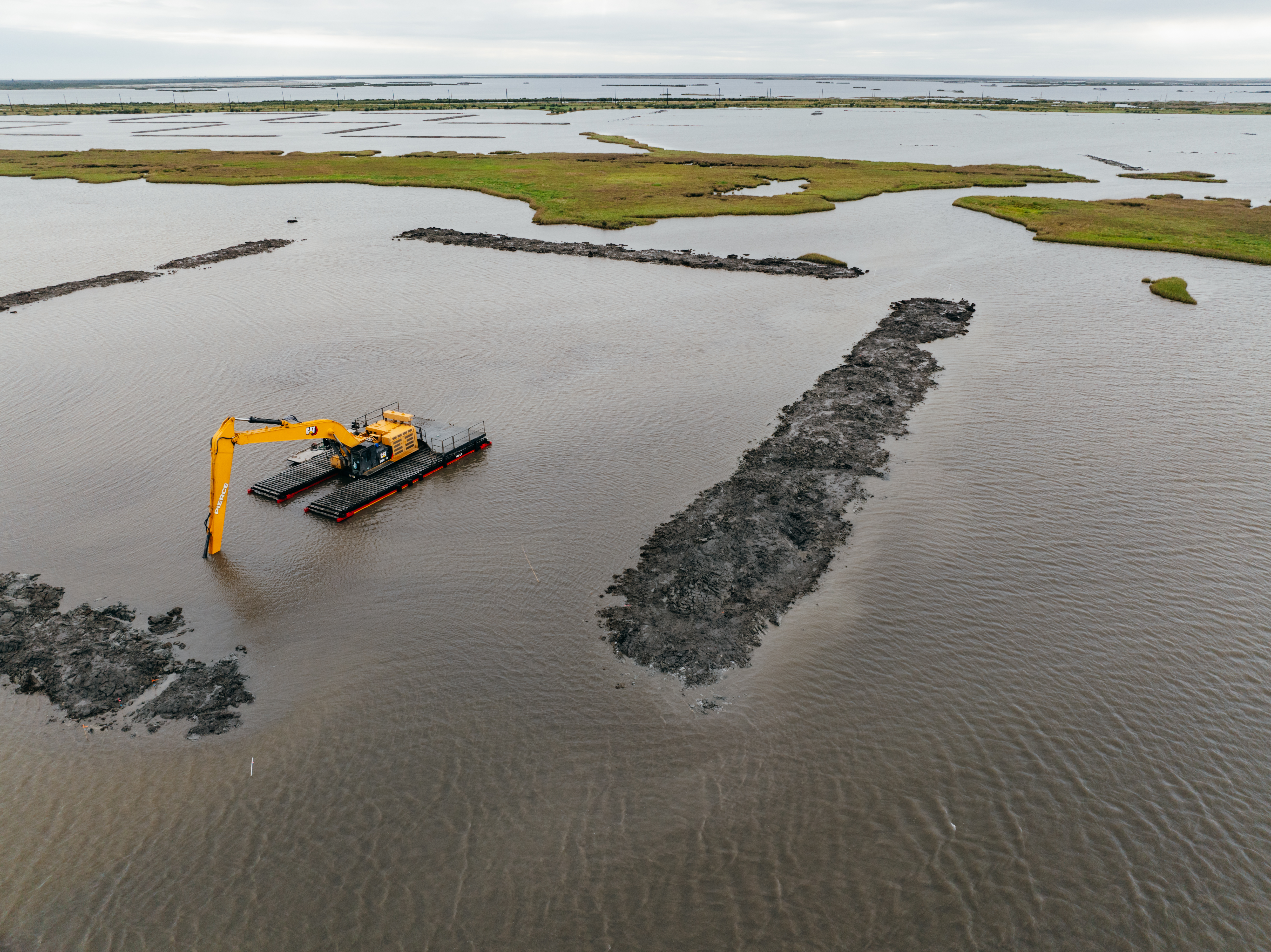
Amphibious excavators were developed for exactly these conditions. They sit on sealed pontoon undercarriages and wide tracks that spread weight over a large area, so they can work on soft ground and in shallow water. Because they are excavators, they can use buckets, rakes, long reach booms or dredge pump attachments depending on the job. For readers who want to understand how these machines compare with similar equipment, this overview of amphibious excavators and marsh buggies explains the differences in plain terms.
Amphibious Excavator Lake Dredging
Lakes, ponds and retention basins often have gently sloping edges, thick organic muck and limited vehicle access. Amphibious excavator lake dredging suits these sites because the machine can enter from the shoreline and work outward while floating or resting on its pontoons.
Typical lake tasks include removing accumulated muck from near-shore areas, reshaping banks, deepening shallow coves and clearing inlet areas where stormwater deposits silt. With a dredge pump attachment, the excavator can pump slurry to a containment area, which limits the need to haul wet material across fragile ground.
A few practical points matter for lake projects:
-
Sediment testing before work helps decide where the material can go.
-
Turbidity controls, such as silt curtains, limit cloudiness during dredging.
-
Working in phases lets wildlife move and lets the crew monitor results.
Amphibious Excavator Canal Dredging
Canals are narrow and often lined with homes, roads or utilities. Heavy trucks and cranes may not fit, and bank stability can be a concern. Amphibious excavator canal dredging allows crews to work from within the channel, which reduces the need to disturb adjacent property.
Because canals are designed to move water, the goal is usually to restore the original cross section and slope. Operators can remove silt, clear debris and reopen culvert approaches in a controlled way. In some projects, the machine loads material onto barges or into temporary containment areas along the bank. Careful grade control matters here, since over-excavation can undermine banks and structures.
Amphibious Excavator River Dredging
Rivers add moving water and variable bed conditions. Amphibious excavator river dredging is generally limited to shallow reaches, side channels, backwaters and slow sections where sediment collects, rather than deep navigation channels that need larger vessels.
Common uses include clearing sediment near intakes, restoring flow in silted-up bends, rebuilding eroded margins and removing deposits after floods. Because river conditions change with rainfall, scheduling and monitoring are especially important. Crews should check water levels, current speed and downstream sensitivity before starting.
Comparing Dredging Approaches by Waterway Type
The table below summarises how Wilco Marsh Buggies & Draglines amphibious excavator work typically differs between lakes, canals and rivers. It is a general guide, and site-specific engineering should always guide final decisions.
| Waterway | Typical Water Quality Issue | How an Amphibious Excavator Helps | Key Consideration |
|---|---|---|---|
| Lake | Nutrient-rich muck, algae, shallow margins | Removes organic sediment and deepens near-shore areas from the water or shoreline | Sediment testing and turbidity control |
| Canal | Silt build-up, poor flow, stagnant sections | Reopens the channel and restores design depth without heavy bank access | Bank stability and nearby structures |
| River | Localised deposits, blocked side channels, eroded margins | Works in shallow reaches and slow sections where larger vessels cannot operate | Water level, current and downstream impact |
Planning a Dredging Project for Water Quality Results
Good outcomes depend as much on planning as on equipment. A few steps tend to separate successful projects from disappointing ones.
Assess the Site First
Bathymetric surveys show depth and sediment thickness. Sediment sampling identifies nutrient levels and any contaminants. Together, these results define how much to remove and where the material can go.
Match the Equipment to the Conditions
Soft bottoms, shallow water and sensitive shorelines call for low ground pressure machines. A project with limited road access may benefit from equipment that can be broken down, transported and reassembled near the site. For a closer look at why this type of machinery performs well in delicate settings, this article on wetland access and low impact equipment covers the main advantages.
Plan for Dewatering and Disposal
Dredged material is often very wet. It may need settling ponds, geotextile tubes or drying areas before reuse or disposal. Clean sediment can sometimes be used for landscaping or fill, while contaminated material needs regulated handling.
Confirm Permits and Regulations
Dredging usually requires approval from local, state or national authorities, particularly where wetlands, protected species or navigable waters are involved. Early contact with regulators avoids delays.
Control the Source of Pollution
Dredging removes what has already accumulated. If runoff and nutrient inputs continue unchecked, sediment will return. Buffer plantings, stormwater basins and better land management protect the investment.
Environmental Care During Dredging
Any in-water work disturbs the bottom, so protective measures are standard practice. Silt curtains and booms help contain suspended particles. Working during seasons that avoid fish spawning or bird nesting reduces ecological stress. Low ground pressure machines reduce damage to banks and shallow vegetation, which helps keep the shoreline stable after work finishes. Monitoring water clarity and dissolved oxygen during and after the project confirms that conditions are improving.
Where Wilco Marsh Buggies Fits In
Wilco Marsh Buggies builds amphibious excavators and related soft terrain equipment in Louisiana, including marsh buggies, cargo carriers and long arm models. Equipment is available for sale, rental or lease, and designs can be customised to project needs. For lakes, canals and rivers with soft bottoms and limited access, the choice of machine, undercarriage and attachment has a direct effect on how cleanly and safely sediment is removed. Choosing equipment that matches the water depth, bank condition and material type helps keep projects on schedule and limits disturbance.
Conclusion
Canal and lake dredging supports water quality by removing nutrient-rich sediment, restoring depth and improving flow. The results are strongest when dredging is paired with source control, careful sediment management and the right equipment. Amphibious excavator lake dredging, amphibious excavator canal dredging and amphibious excavator river dredging each address different site conditions, but they share one advantage: they let crews work in soft, shallow or hard to reach waterways without relying on heavy shoreline access.
If you are planning a project and want to discuss equipment options for your site, contact our team at Wilco Marsh Buggies to talk through your water depth, bottom conditions and project goals.
Frequently Asked Questions
1. How does dredging improve water quality?
Dredging removes accumulated sediment that stores nutrients and organic matter. Taking it out reduces the supply that can feed algae and consume oxygen, and it restores depth and flow, which support healthier conditions.
2. Is amphibious excavator lake dredging suitable for small ponds?
Yes, in many cases. Because amphibious excavators can work from the shoreline or from the water, they are often used on ponds, retention basins and lakes where larger dredging vessels would be impractical.
3. Can amphibious excavators work in canals with limited access?
They can. Working from within the channel reduces the need for heavy equipment on the banks. Bank stability, nearby structures and disposal areas still need to be planned in advance.
4. Are amphibious excavators used in rivers?
They are typically used in shallow reaches, side channels and slow moving sections. Deep or fast flowing rivers usually require different dredging methods.
5. How often do lakes and canals need dredging?
It depends on sediment inflow, land use and water body size. Some sites need maintenance every few years, while others go decades. Regular surveys help determine the right timing.
6. Does dredging harm aquatic life?
Dredging causes temporary disturbance, but good planning limits the impact. Silt controls, seasonal timing and low ground pressure equipment reduce stress on fish, plants and shorelines, and improved depth and clarity often benefit habitat afterward.
7. Do I need a permit for dredging?
In most regions, yes. Requirements vary by location and by whether wetlands, protected species or navigable waters are involved. Check with local authorities before starting.