

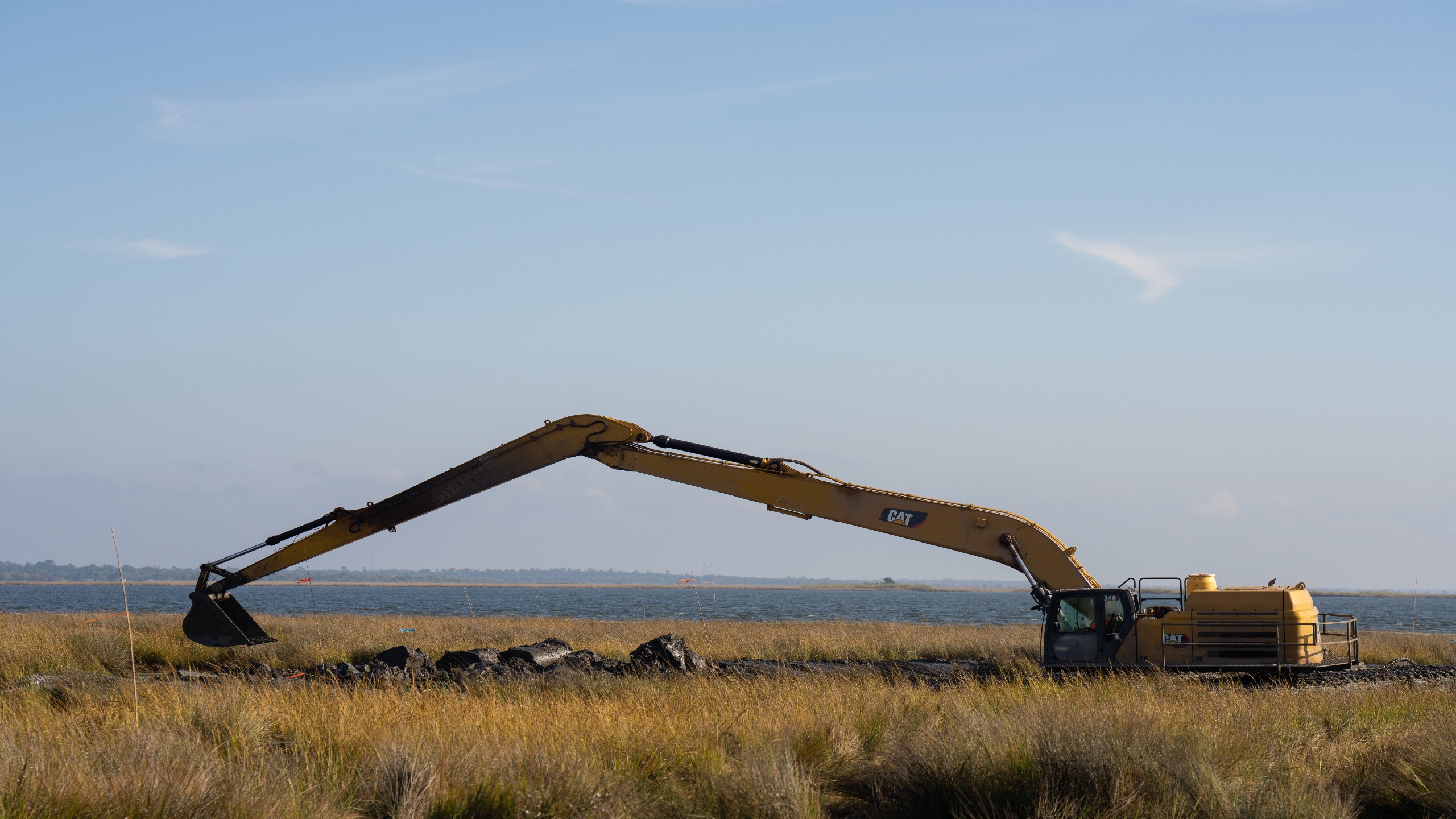
Healthy habitats hold ecosystems together. Wetlands filter water, marshes buffer storms, and native vegetation gives wildlife food and shelter. When these areas are drained, dredged, polluted, or overrun by invasive species, the damage spreads well beyond the site itself. Habitat restoration is the process of repairing that damage so natural functions can return.
The work is rarely simple. Restoration sites are often soft, flooded, and difficult to reach, and the wrong machinery can cause more harm than good. This is where an amphibious excavator for habitat restoration becomes a practical tool, and why companies such as Wilco Marsh Buggies supply amphibious machines built for wetlands, marshes, and swamps. This article covers what habitat restoration involves, why it matters for environmental recovery, and how the right equipment shapes the outcome.
What Habitat Restoration Means and Why It Matters
Habitat restoration is the deliberate effort to return a damaged or degraded area to a healthier, more natural condition. Depending on the site, that can mean regrading land, reconnecting waterways, removing sediment, clearing invasive plants, or replanting native species. The goal is not to create something new. It is to give an ecosystem the conditions it needs to recover on its own.
Ecological Functions That Return
A restored habitat rebuilds services that people and wildlife both depend on:
-
Water quality: Wetland plants and soils trap sediment and absorb excess nutrients before they reach open water.
-
Flood and storm buffering: Marshes and wetlands slow and store water, which reduces pressure on surrounding land.
-
Wildlife support: Fish, birds, amphibians, and invertebrates need specific vegetation, water depth, and soil conditions to feed and breed.
-
Carbon storage: Healthy wetland soils hold carbon that would otherwise be released into the atmosphere.
Each of these functions depends on the physical shape of the land and water. If channels are blocked, elevations are wrong, or the soil is compacted, plants cannot establish and the system does not recover. That is why restoration is as much an engineering task as an ecological one.
Why Method Matters as Much as Intent
Good intentions do not guarantee good results. Heavy equipment that sinks into saturated ground leaves ruts, compacts soil, and crushes root systems that took years to develop. Temporary access roads can also scar sensitive areas and introduce new disturbance. A restoration project should leave a site better than it found it, so the way the work is carried out has a direct effect on the recovery that follows.
Common Challenges in Restoring Wetland and Marsh Habitats
Wetlands are among the most valuable habitats and among the hardest to work in. Several recurring problems shape how restoration crews plan their projects.
Soft Ground and Limited Access
Saturated soil has very little bearing strength. A standard excavator built for firm ground can sink or become stuck, and moving it out may cause more damage than the original task. Crews often face a choice between building temporary roads, which is costly and disruptive, or finding equipment designed for the terrain.
Protecting What Is Already Growing
Many restoration sites contain patches of healthy vegetation, nesting areas, or recovering root systems. Work needs to happen around these features, not through them. Equipment with a large footprint or high ground pressure makes that difficult.
Reaching Work Areas From Stable Positions
Channels, ponds, and marsh edges often need to be reshaped from a distance. Machines that can reach across the work area from a stable position limit the number of times crews must cross sensitive ground.
How an Amphibious Excavator for Habitat Restoration Supports Recovery
An amphibious excavator combines a standard excavator upper structure with a floating undercarriage, and the pontoon excavator design is the most common version used in wetlands. The pontoons spread the machine’s weight across a large area, which gives it low ground pressure and lets it float in shallow water or travel across mud and saturated soil. For restoration work, that design addresses the main problems described above.
Low Ground Pressure and Flotation
Because the weight is distributed widely, an amphibious excavator is far less likely to rut, compact, or tear up the ground it crosses. Vegetation and root systems have a better chance of recovering after work is complete.
The same machine can move between dry banks, soft marsh, and open water without changing equipment. This simplifies the project and reduces the number of passes over sensitive areas, which matters on sites where every crossing leaves a mark.
Sediment Removal and Channel Work
Many restoration projects involve moving sediment. Silted channels may need to be reopened, canals cleared, or material relocated to rebuild marsh elevation. An amphibious machine can do this work directly from the water or from soft ground. The benefits of amphibious excavators in dredging projects include reduced disturbance, better access, and the ability to work in places that conventional machines cannot enter.
Long Reach for Sensitive Sites
A long reach amphibious excavator carries an extended boom and arm. Operators can work from firmer or less sensitive ground while still reaching deep into a marsh or across a channel. This limits movement through delicate areas and helps keep the project footprint small.
Marsh Buggy Habitat Restoration Tasks
Marsh buggy habitat restoration covers a wide range of field tasks. The term marsh buggy is commonly used for amphibious tracked machines, including excavators and carriers, that operate in marsh and swamp conditions. In restoration projects they are typically used for the following work:
-
Vegetation clearing: Removing invasive plants or overgrown material so native species can reestablish.
-
Soil grading and shaping: Adjusting elevations so water flows and pools in the right places.
-
Channel and ditch work: Reopening or reshaping waterways to restore natural hydrology.
-
Material placement: Moving sediment or soil to rebuild eroded marsh areas.
-
Equipment and personnel transport: Carrying crews, plants, and supplies across ground that vehicles cannot cross.
Transport is easy to overlook, but it matters. Planting crews and monitoring teams need to reach remote parts of a site, and cargo carriers allow them to do so without building roads. This reduces both cost and disturbance.
Amphibious Equipment Habitat Restoration: Matching the Machine to the Task
Amphibious equipment habitat restoration works best when the machine suits the job. Wilco Marsh Buggies provides amphibious excavators, personnel and cargo carriers, and long reach equipment, along with sales, rentals, and custom designed machines for projects of different sizes. The table below shows how common restoration tasks line up with typical equipment types.
| Restoration Task | Typical Equipment | Why It Fits |
|---|---|---|
| Invasive vegetation clearing | Amphibious excavator with a mulcher or similar attachment | Works across soft ground without building access roads |
| Channel reopening and sediment removal | Amphibious excavator or long reach amphibious excavator | Reaches the work area from stable ground or from the water |
| Marsh elevation rebuilding | Amphibious excavator | Moves and places material while keeping ground pressure low |
| Moving crews and plants | Personnel or cargo carrier | Carries people and supplies across mud and shallow water |
| Shoreline and pond edge shaping | Long reach amphibious excavator | Limits crossings of sensitive edges and banks |
Attachments and machine size depend on the site, so the table is a starting point and not a fixed rule. Project teams usually decide after reviewing soil conditions, water depth, and the area to be treated.
Equipment choice also depends on how much of the work is digging and how much is travel. A marsh buggy for wetland access is often the simplest answer when a site is remote, soft, and partly submerged, because one amphibious machine can handle terrain that would otherwise require separate land and water equipment. Excavator style machines are better suited when sediment, channels, or vegetation need to be moved in volume.
Planning a Restoration Project With Amphibious Equipment
Even the right machine needs a good plan. A few practical steps help projects stay on schedule and protect the habitat they are meant to repair.
Assess the Site First
Before any work begins, teams should map soil conditions, water depth, existing vegetation, and sensitive areas. These details determine which machine, attachments, and travel routes make sense. They also help crews identify where equipment should not go at all.
A good assessment also records the starting condition of the site. Photographs, elevation readings, and vegetation notes give the team a baseline, so later monitoring can show whether the restoration is working.
Choose Routes and Work Zones Carefully
Amphibious machines reduce disturbance, but they do not remove it. Defined travel routes and work zones keep the machine on a limited path, so recovering vegetation is not disturbed repeatedly. Anyone planning this kind of work can review how amphibious excavators operate in water and wetlands to understand how flotation, reach, and ground pressure affect routing decisions.
Decide Between Renting and Buying
Many restoration projects are one time or seasonal. In those cases, renting often makes more sense than owning, since storage and maintenance costs add up. Organizations with regular wetland work may find that purchasing is a better fit. The right answer depends on project length, frequency, and budget, and a supplier familiar with marsh conditions can help teams think through the options.
Plan for Monitoring After Construction
Restoration does not end when the machines leave. Native plants need time to establish, water levels need to be checked, and some areas may need adjustment. Having a plan for access during monitoring and follow up work avoids new disturbance later.
Conclusion
Habitat restoration is central to environmental recovery. It rebuilds the physical conditions that let wetlands, marshes, and other ecosystems filter water, buffer storms, and support wildlife. The method matters as much as the goal, because heavy or poorly suited equipment can damage the very habitat it is meant to repair.
Amphibious machines address the main obstacles of soft ground, limited access, and sensitive vegetation. An amphibious excavator for habitat restoration, a marsh buggy for site access and transport, and a long reach machine for working from stable ground each play a distinct part in reducing disturbance and keeping projects on track. Wilco Marsh Buggies supplies this type of equipment for wetland, marsh, and swamp work, including rentals, sales, and custom designed machines.
If you are planning a restoration project and want to discuss equipment options for your site, contact our team at Wilco Marsh Buggies to talk through your requirements.
Frequently Asked Questions
1. What is the role of habitat restoration in environmental recovery?
Habitat restoration repairs damaged ecosystems so they can again provide clean water, flood protection, wildlife support, and carbon storage. It addresses the physical conditions, such as elevation, water flow, and vegetation, that allow natural recovery to take place.
2. Why is an amphibious excavator used for habitat restoration?
An amphibious excavator floats on pontoons and spreads its weight over a large area. This lets it work in marshes, shallow water, and saturated soil with less rutting and compaction than a conventional excavator. It also removes the need for temporary access roads in many cases.
3. What is marsh buggy habitat restoration?
It is restoration work carried out with marsh buggies, which are amphibious tracked machines built for marsh and swamp terrain. Typical tasks include vegetation clearing, grading, channel work, material placement, and transporting crews and supplies.
4. How does a long reach amphibious excavator help in wetlands?
The extended boom and arm let operators work across a channel or into a marsh from a more stable position. This reduces how far the machine has to travel into sensitive areas.
5. Can amphibious equipment work on both land and water?
Yes. The pontoon style undercarriage lets the machine travel over dry ground, soft mud, and shallow water. This reduces the need for separate equipment on mixed terrain projects.
6. Should restoration teams rent or buy amphibious equipment?
Choosing between renting or buying an amphibious excavator depends on project length, frequency, and site conditions. Renting is usually the more practical choice for short or occasional projects, while buying can suit organizations with continuous wetland work.