

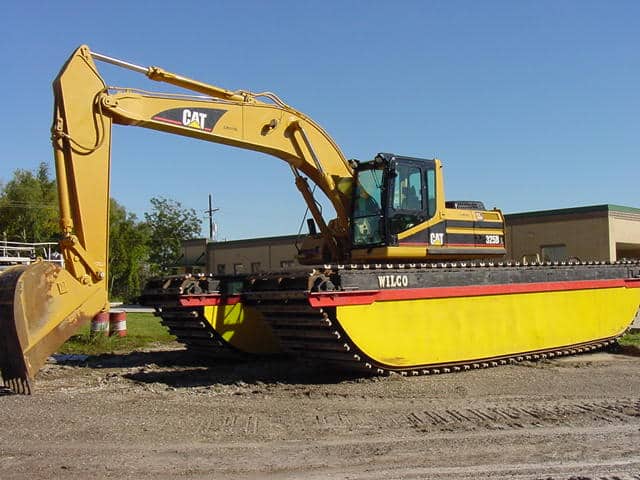
Projects in wetlands, marshes, and waterlogged terrains present unique engineering challenges. Traditional excavation equipment often fails in these environments due to poor traction, sinking risks, and instability. This is where amphibious excavators play a crucial role.
Choosing the right amphibious excavator is not just about selecting a machine it is about ensuring safety, efficiency, and long-term cost savings. This guide provides a comprehensive overview of what to consider when evaluating an amphibious excavator for sale, helping you make an informed decision based on your specific project needs.
What is an Amphibious Excavator?
An amphibious excavator is a specialized piece of heavy equipment designed to operate on soft, saturated, or submerged terrains. These machines are equipped with pontoons or wide tracks that distribute weight evenly, allowing them to float or travel over unstable surfaces such as swamps and marshlands.
Unlike conventional excavators, amphibious models can transition between land and shallow water, making them highly versatile for environmental and infrastructure projects.
Key Factors to Consider Before Buying
1. Terrain and Project Conditions
Understanding your work environment is the first step in selecting the right machine. Different terrains require different specifications.
-
Swamps and marshes: Require maximum buoyancy and wider pontoons
-
Shallow water bodies: Need balanced flotation and maneuverability
-
Flood-prone zones: Demand high stability and durability
A mismatch between machine and terrain can lead to inefficiencies and safety hazards.
2. Machine Size and Operational Capacity
Amphibious excavators are available in various sizes, each suited for different types of work.
-
Small machines: Ideal for light excavation and environmental restoration
-
Medium machines: Suitable for general construction and dredging
-
Large machines: Used in heavy-duty industrial and infrastructure projects
Consider factors such as digging depth, lifting capacity, and reach when evaluating machine size.
3. Pontoon Design and Stability
The pontoon system is the defining feature of an amphibious excavator. It determines how well the machine performs in soft terrain.
Key considerations include:
-
Pontoon width and length
-
Ground pressure distribution
-
Stability in waterlogged conditions
Wider pontoons generally offer better flotation, while longer pontoons improve balance.
4. Engine Power and Performance
Operating in muddy or waterlogged terrain requires more power than working on solid ground.
Look for:
-
High torque output
-
Fuel efficiency
-
Reliable cooling systems
Adequate engine power ensures smooth operation even in challenging conditions.
5. Attachments and Versatility
One of the advantages of amphibious excavators is their compatibility with various attachments.
Common attachments include:
-
Buckets for digging
-
Cutter heads for dredging
-
Hydraulic grabs for material handling
Choosing a machine that supports multiple attachments increases its usability across projects.
6. Maintenance and Durability
Machines operating in wet environments are exposed to corrosion, debris, and constant moisture.
Important considerations:
-
Corrosion-resistant materials
-
Easy access for maintenance
-
Availability of spare parts
Regular maintenance is essential to ensure long-term performance.
Amphibious Digger vs Pontoon Excavator
Amphibious diggers and pontoon excavators are both designed for working in wet, unstable terrains, but they serve slightly different purposes. An amphibious digger is a versatile machine that can operate on both land and shallow water, making it ideal for projects that involve mixed terrain conditions. In contrast, a pontoon excavator is specifically built for floating operations and offers greater stability in deeper water environments.
While amphibious digger provides flexibility and mobility across various surfaces, pontoon excavators excel in tasks that require consistent performance in water, such as dredging. The right choice depends on factors like water depth, terrain type, and project requirements.
-
Amphibious digger: A broader term for machines that operate on land and water
-
Pontoon excavator: Specifically refers to machines mounted on floating pontoons
Understanding this distinction helps in selecting the right equipment for specific conditions.
Cost Considerations
The price of an amphibious excavator depends on several factors:
-
Machine size and specifications
-
Brand and manufacturer
-
Additional attachments
-
New vs used condition
While upfront cost is important, it is equally critical to consider long-term operational and maintenance expenses. Working with Wilco Marsh Buggies ensures you receive expert guidance to evaluate both initial investment and ongoing costs, helping you choose equipment that delivers long-term value and reliability.
Applications of Amphibious Excavators
These machines are widely used across industries:
-
Dredging: Removing sediment from water bodies
-
Environmental restoration: Rebuilding wetlands and ecosystems
-
Infrastructure development: Installing pipelines and cables
-
Flood management: Creating drainage channels
Their versatility makes them indispensable in challenging terrains. From wetlands to flood zones, see how this equipment adapts to the toughest conditions click here to learn more.
Common Mistakes to Avoid
-
Choosing equipment without analyzing terrain
-
Prioritizing cost over quality
-
Ignoring maintenance requirements
-
Overlooking attachment compatibility
Avoiding these mistakes can save time and money in the long run.
Conclusion
Selecting the right amphibious excavator requires careful consideration of terrain, machine specifications, and project requirements. By understanding these factors, you can invest in equipment that enhances productivity and ensures safe operation.
If you need guidance in choosing the right machine for your project, contact us today to speak with our team. We can help you evaluate your requirements and recommend the most suitable equipment for your specific application.
FAQs
Q1. What is the lifespan of an amphibious excavator?
With proper maintenance, these machines can last many years, even in harsh conditions.
Q2. Can amphibious excavators work in deep water?
They are designed for shallow to moderately deep water, depending on pontoon design.
Q3. Are they environmentally friendly?
Yes, they are often used in eco-restoration projects due to minimal ground impact.
Q4. What industries use amphibious excavators?
Construction, dredging, oil & gas, and environmental management.