

Amphibious Excavator Canal Dredging
Amphibious Equipment for Challenging Waterway Dredging
Canals, lakes, rivers, and engineered channels accumulate sediment, silt, vegetation, and debris that restrict water movement and reduce capacity. Dredging becomes more challenging when unstable banks, saturated ground, shallow water, or limited conventional access surround the site. Wilco Marsh Buggies offers amphibious excavators and related equipment, with custom configurations designed around waterway conditions, dredging requirements, and project access needs.
Our Services

Contracting


Leasing

Flexible Rental Terms
Where Amphibious Dredging Equipment Can Be Used
Different waterways create different operational requirements. An equipment setup that works well along a shallow canal may not be the right choice for a wider river or lake.
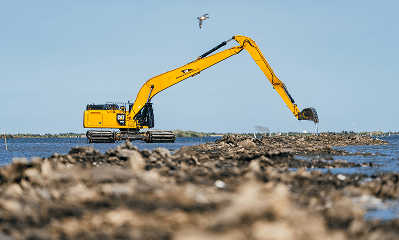
Canal Dredging
Canals can collect sediment and organic material over time, reducing the available channel area. An amphibious excavator canal dredging solution provides access to soft canal banks while supporting excavation and material removal from the waterway.
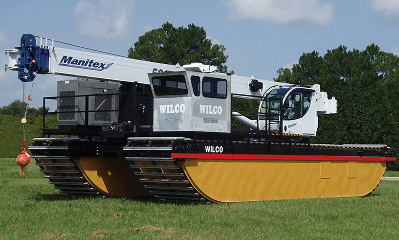
River Dredging
River conditions can change considerably between locations. Soft banks, shallow sections, deposited sediment, and difficult shoreline access can complicate conventional excavation. An amphibious excavator river dredging setup provides an alternative working position for selected river projects.
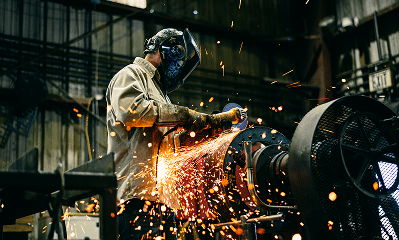
Lake Dredging
Lakes may require sediment removal near shorelines, in shallow sections, around drainage inlets, or within other areas that are difficult to reach from stable ground. An amphibious excavator lake dredging solution supports this type of maintenance where site conditions are suitable.
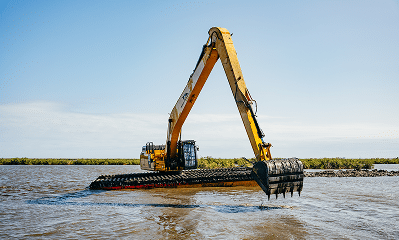
Channel Dredging
Drainage channels, flood-control channels, and other engineered waterways can gradually collect material that affects their intended function. An amphibious excavator channel dredging configuration provides access for targeted excavation and maintenance.
Ponds and Retention Areas
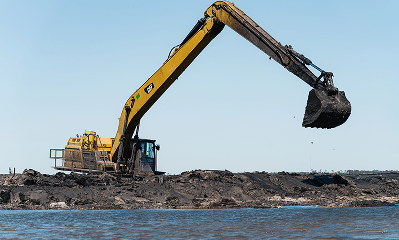
Smaller water bodies can also experience sediment accumulation, vegetation growth, and reduced capacity. Amphibious equipment provides a practical option for reaching areas around ponds and retention features where shoreline conditions limit conventional equipment.

Wetland and Marsh Areas
Wetlands and marshes can contain soft, saturated ground that makes conventional equipment access difficult. Amphibious excavators support dredging, sediment removal, vegetation management, and related maintenance work in suitable wetland environments.
Selecting the right amphibious dredging equipment depends on the waterway’s access conditions, material type, required reach, and overall project requirements.
Selecting Equipment for Canal and Lake Dredging
Before deploying an amphibious excavator canal dredging solution, contractors should evaluate several factors that influence equipment performance, access, reach, and overall project efficiency across changing waterway conditions.

Water Depth
Water depth and its distribution across the work area can affect amphibious machine positioning, operating stability, attachment selection, and the equipment configuration required for safe, productive dredging operations.

Ground Conditions
Soft sediment, mud, saturated soil, and firmer shoreline areas may occur within one project. Understanding these transitions helps contractors establish practical access routes and suitable machine positions.

Required Reach
The distance between the amphibious excavator and the material determines whether a standard or long-reach configuration may provide the necessary working range for efficient dredging operations.

Material Characteristics
Sediment, silt, vegetation, debris, and mixed deposits can require different excavation approaches. Identifying material conditions before equipment selection helps prevent unsuitable configuration and delays.

Work Area Dimensions
Canal width, channel geometry, shoreline access, and lake or river layout can influence machine positioning, boom selection, working reach, and the overall dredging strategy for contractors.
Our Waterway Dredging Equipment Process
We take a project-specific approach when helping contractors identify amphibious equipment for dredging applications.
Review the Waterway
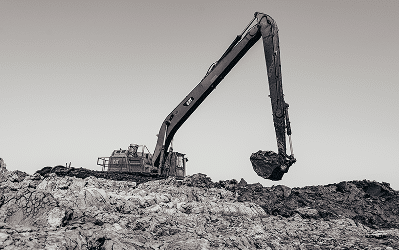
The process begins by identifying whether the project involves a canal, river, lake, channel, pond, or another waterway environment. Each setting presents different access, depth, sediment, and equipment considerations.
Identify the Access Challenge
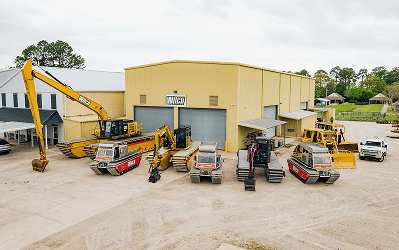
Our team evaluates shoreline conditions, soft ground, shallow water, available entry points, vegetation, and other factors that determine how equipment can safely reach the work area.
Define the Dredging Work
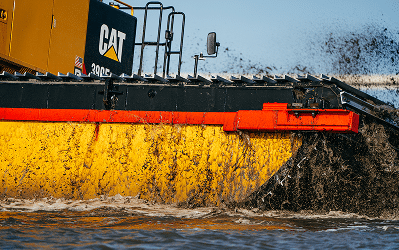
We review expected material removal, working areas, required reach, sediment characteristics, production goals, and related tasks to establish the equipment capabilities the project requires.
Determine the Configuration
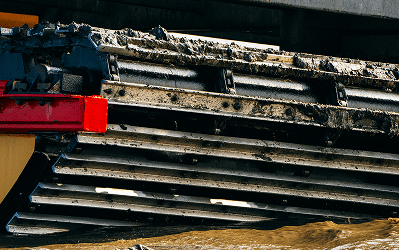
Machine size, undercarriage requirements, boom configuration, attachments, operating reach, and other equipment characteristics are considered according to the waterway and planned dredging activities.
Address Specialized Requirements
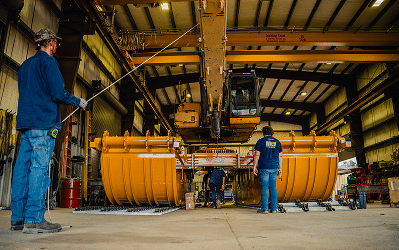
When a standard machine does not provide the required capabilities, Wilco can develop custom equipment around specific project needs, including unusual access conditions, specialized attachments, or demanding operating environments.
Coordinate the Equipment Solution
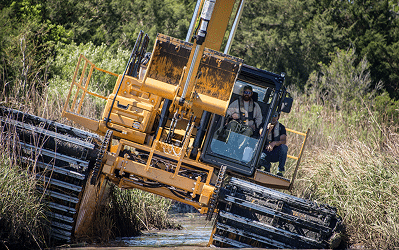
Contractors can discuss rental, leasing, contracting, or purchase arrangements while coordinating transportation, mobilization, operators, attachments, and other practical requirements for bringing equipment to the project.
This process helps contractors select an amphibious dredging equipment solution that aligns with their waterway conditions, project goals, and operational requirements.
Why Choose Wilco Marsh Buggies?
We provide specialized amphibious equipment and support for contractors working in canals, lakes, rivers, channels, and other challenging waterway environments.
- Specialized Amphibious Experience: We have more than 46 years of experience developing soft-terrain amphibious vehicles for demanding environments.
- Broad Equipment Inventory: The equipment range includes marsh buggies, cargo carriers, and long-arm amphibious excavators, giving contractors multiple machine types to consider.
- Custom Equipment Capability: When a waterway project presents unusual requirements, equipment can be custom designed rather than limited to an off-the-shelf configuration.
- Flexible Service Options: Contractors can consider rental, leasing, contracting, or purchase arrangements depending on how they intend to use the equipment.
- Dredging-Focused Support: We provide equipment and contracting solutions for dredging operations, including work involving rivers and canals, while supporting projects across challenging aquatic and soft-terrain environments.
With specialized experience, flexible equipment options, and project-focused support, we help contractors identify an amphibious dredging solution suited to their waterway project.
Frequently Asked Questions
What types of channels can an amphibious excavator dredge?
An amphibious excavator channel dredging setup can be considered for drainage channels, flood-control corridors, canals, and other engineered waterways. Equipment requirements will vary according to channel dimensions, sediment conditions, access, and the scope of work.
Can you provide equipment specifically for waterway dredging?
Yes. We provide amphibious equipment for dredging and other difficult aquatic applications. Our equipment inventory includes marsh buggies, cargo carriers, and long-arm amphibious excavators that can be considered for different waterway projects.
Do you offer long-reach equipment for dredging waterways?
Yes. Our equipment range includes long-arm amphibious excavators. Extended reach can be useful when dredging requires the machine to work from a position away from the material being removed.
What information should I provide when requesting canal dredging equipment?
Useful details include the waterway type, approximate water depth, sediment conditions, channel dimensions, access limitations, required working reach, project duration, and intended dredging activities. These details help establish an appropriate equipment configuration.
Can your equipment support environmental dredging applications?
Yes. Amphibious equipment can support environmental projects involving sediment removal, wetland restoration, vegetation management, and other work where access to soft or saturated terrain is an important consideration.
How do you determine whether a project needs a specialized amphibious configuration?
We consider factors such as terrain conditions, water depth, required working reach, attachment requirements, operating area, and project scope. These details help determine whether a standard, long-reach, or more specialized amphibious configuration is appropriate.
Can you help contractors choose equipment for a mixed land-and-water project?
Yes. Amphibious equipment is designed for projects where conditions can transition between soft ground, saturated terrain, shallow water, and firmer areas. We help evaluate the project requirements and identify an appropriate equipment approach.