

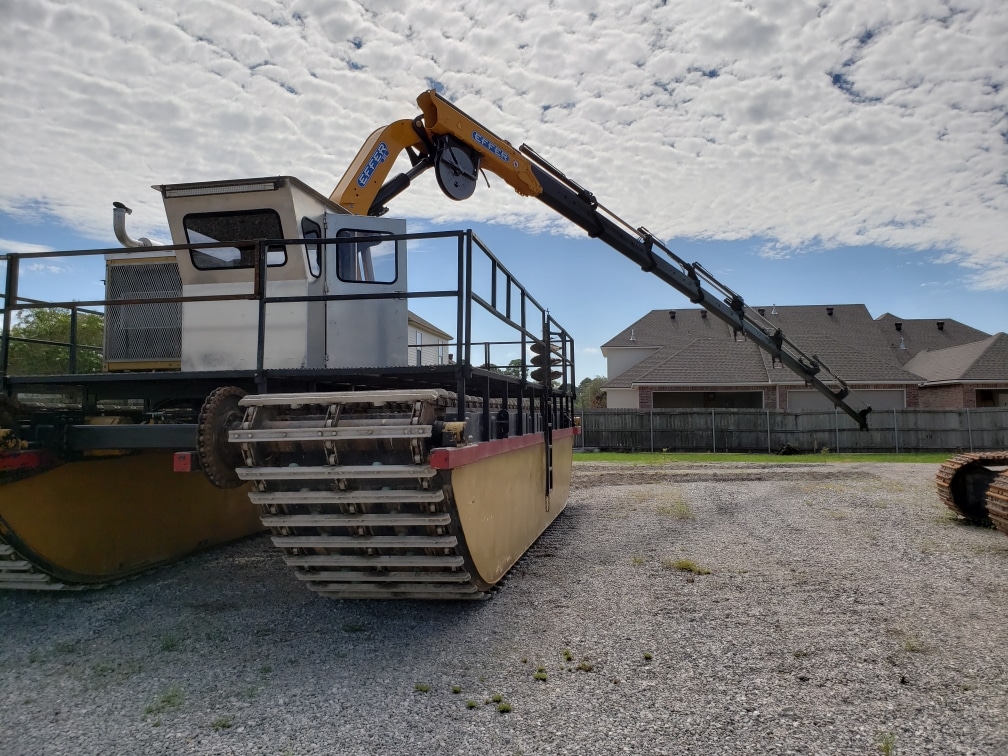
In construction, logistics, and industrial operations, efficiency and cost control are critical to project success. One of the most important decisions project managers face is whether to buy or rent heavy equipment. While ownership may seem like a long-term investment, renting equipment is often the more practical and cost-effective choice especially for short-term or specialized tasks.
Among the various types of lifting equipment available, knuckle boom cranes have become increasingly popular due to their flexibility, compact design, and ability to operate in confined spaces. These cranes are widely used across industries for loading, unloading, and lifting tasks that require precision and maneuverability.
This guide provides a comprehensive overview of when to rent a knuckle boom crane, the factors that influence rental costs, the benefits of renting, and how to make the right decision for your project.
What is a Knuckle Boom Crane?
A knuckle boom crane, also known as an articulated crane, is a type of lifting equipment that features a jointed arm system. Unlike traditional straight boom cranes, the knuckle boom can fold and extend like a finger, allowing it to maneuver in tight or restricted spaces.
Key Features
- Articulated Arm Design: Provides greater flexibility and reach
- Compact Structure: Ideal for urban and confined environments
- Precision Handling: Enables accurate placement of loads
- Versatility: Suitable for a wide range of applications
These cranes are often mounted on trucks, making them easy to transport between job sites and enhancing their overall utility.
When Should You Rent a Knuckle Boom Crane?
1. Short-Term Projects
Renting is particularly beneficial for projects with a defined timeline. If your project lasts only a few days, weeks, or months, purchasing a crane may not be financially viable.
Examples include:
- Temporary construction work
- Seasonal projects
- One-time installations
Renting allows you to access the equipment you need without committing to long-term ownership costs.
2. Budget Constraints
Heavy equipment requires significant upfront investment, which can strain budgets especially for small to medium-sized businesses.
Renting helps:
- Reduce capital expenditure
- Free up funds for other project needs
- Avoid financing or loan obligations
This makes renting an attractive option for businesses looking to maintain financial flexibility.
3. Specialized or Complex Tasks
Certain projects require specific crane configurations that may not be used frequently. Renting provides access to specialized equipment without the need for ownership.
Examples include:
- Lifting in confined urban spaces
- Handling irregular or heavy loads
- Working on complex industrial installations
With rental options, you can choose the exact crane model that matches your project requirements.
4. Uncertain Project Demand
If your workload fluctuates, owning equipment may result in underutilization during slower periods.
Renting offers:
- Scalability based on project demand
- Flexibility to upgrade or downgrade equipment
- Reduced idle asset costs
5. Limited Storage and Logistics Capacity
Owning a crane requires space for storage and resources for transportation and maintenance. Renting eliminates these concerns, as the rental provider typically handles logistics.
Key Cost Factors When Renting a Knuckle Boom Crane
Understanding the factors that influence rental costs can help you plan your budget effectively.
1. Duration of Rental
Rental rates are usually structured based on time:
- Hourly rates for short jobs
- Daily rates for medium projects
- Weekly or monthly rates for long-term use
Longer rental periods often come with discounted rates.
2. Crane Capacity and Size
The lifting capacity and reach of the crane significantly impact the cost. Larger cranes with higher load capacities typically have higher rental fees.
3. Location and Accessibility
Geographical location can influence pricing due to:
- Transportation costs
- Availability of equipment
- Regional demand
Remote or hard-to-access sites may incur additional charges.
4. Operator Requirements
Some rental agreements include a trained operator, while others require you to provide your own.
Operator-inclusive rentals:
- Increase overall cost
- Ensure professional handling
- Improve safety and efficiency
5. Additional Equipment and Attachments
Attachments such as hooks, buckets, or specialized lifting tools may increase rental costs but enhance functionality.
6. Insurance and Liability
Insurance coverage is often required when renting heavy equipment. This can include:
- Damage protection
- Liability coverage
- Theft protection
Benefits of Renting a Knuckle Boom Crane
1. Lower Upfront Cost
Renting eliminates the need for large capital investment, making it easier to manage project budgets.
2. No Maintenance Responsibility
Maintenance, repairs, and servicing are typically handled by the rental provider, reducing downtime and operational burden.
3. Access to Modern Equipment
Rental companies often update their fleets regularly, allowing you to use the latest models with advanced features and improved efficiency.
4. Flexibility
Renting provides the flexibility to choose different equipment for different projects without being tied to a single machine.
5. Reduced Depreciation Risk
Owning equipment involves depreciation over time. Renting eliminates this concern entirely.
6. Improved Project Efficiency
Having access to the right equipment at the right time can significantly improve productivity and reduce delays.
Rent vs Buy: A Detailed Comparison
| Factor | Rent | Buy |
|---|---|---|
| Initial Cost | Low upfront | High upfront investment |
| Flexibility | High | Limited |
| Maintenance | Included | Owner responsibility |
| Storage | Not required | Required |
| Equipment Access | Latest models available | Limited to owned equipment |
| Long-Term Cost | Higher over time | Cost-effective long-term |
Common Mistakes to Avoid When Renting
1. Choosing Incorrect Capacity
Selecting a crane that cannot handle the required load can lead to delays and safety risks. Always assess load requirements carefully.
2. Ignoring Site Conditions
Factors such as ground stability, space constraints, and accessibility should be evaluated before choosing a crane.
3. Not Comparing Rental Providers
Different providers offer varying rates, services, and equipment quality. Comparing options ensures better value.
4. Overlooking Hidden Costs
Be aware of additional charges such as:
- Transportation fees
- Fuel costs
- Overtime charges
5. Skipping Safety Checks
Ensure the equipment is properly inspected and meets safety standards before use.
Industries That Commonly Use Knuckle Boom Cranes
Knuckle boom cranes are widely used across multiple industries, including:
- Construction: Material handling and installation
- Logistics: Loading and unloading cargo
- Manufacturing: Moving heavy components
- Utilities: Installing power lines and infrastructure
- Oil & Gas: Handling equipment in confined spaces
How to Choose the Right Knuckle Boom Crane for Your Project
When renting, consider the following:
- Load capacity requirements
- Maximum reach and height
- Site conditions and space limitations
- Type of materials being handled
- Availability of trained operators
Proper planning ensures that you select equipment that meets your project needs efficiently. Taking the time to assess project scope, site conditions, and equipment specifications can significantly reduce delays and unexpected costs while improving overall project performance. For a deeper understanding of when renting or buying makes more sense for heavy lifting projects, Click here to read more.
Safety Considerations
Operating a knuckle boom crane requires adherence to safety protocols:
- Conduct pre-operation inspections
- Ensure operator training and certification
- Maintain clear communication on-site
- Follow load limits and operational guidelines
Safety not only protects workers but also prevents costly delays.
Future Trends in Crane Rentals
The crane rental industry is evolving with advancements such as:
- Smart crane technology
- Remote monitoring systems
- Improved fuel efficiency
- Eco-friendly designs
These innovations are making rented equipment more efficient and environmentally sustainable. Partnering with Wilco Marsh Buggies helps ensure access to modern, reliable equipment that aligns with evolving industry standards and sustainability goals.
Conclusion
Renting a knuckle boom crane is a practical solution for many construction and industrial projects. It offers flexibility, cost savings, and access to advanced equipment without the long-term commitment of ownership.
By understanding when to rent, evaluating cost factors, and avoiding common mistakes, businesses can make informed decisions that improve project efficiency and profitability.
Whether you are handling a short-term project, working within budget constraints, or requiring specialized equipment, renting a knuckle boom crane can provide the support you need to complete your work effectively.
Explore flexible crane rental solutions designed to meet diverse project needs and ensure efficient, safe operations in any work environment. Reach out to learn more about available options and expert guidance.
FAQs
Q1. How much does it cost to rent a knuckle boom crane?
Rental costs vary depending on factors such as duration, crane capacity, location, and whether an operator is included.
Q2. Is renting better than buying?
Renting is generally more cost-effective for short-term or occasional use, while buying may be suitable for long-term, frequent use.
Q3. Do rentals include operators?
Some rental providers offer operator-inclusive packages, while others require you to supply your own trained operator.
Q4. Can knuckle boom cranes be used in tight spaces?
Yes, their articulated design makes them ideal for confined and urban environments.
Q5. What should I check before renting a crane?
Check the crane’s capacity, condition, safety certifications, and rental terms before making a decision.