

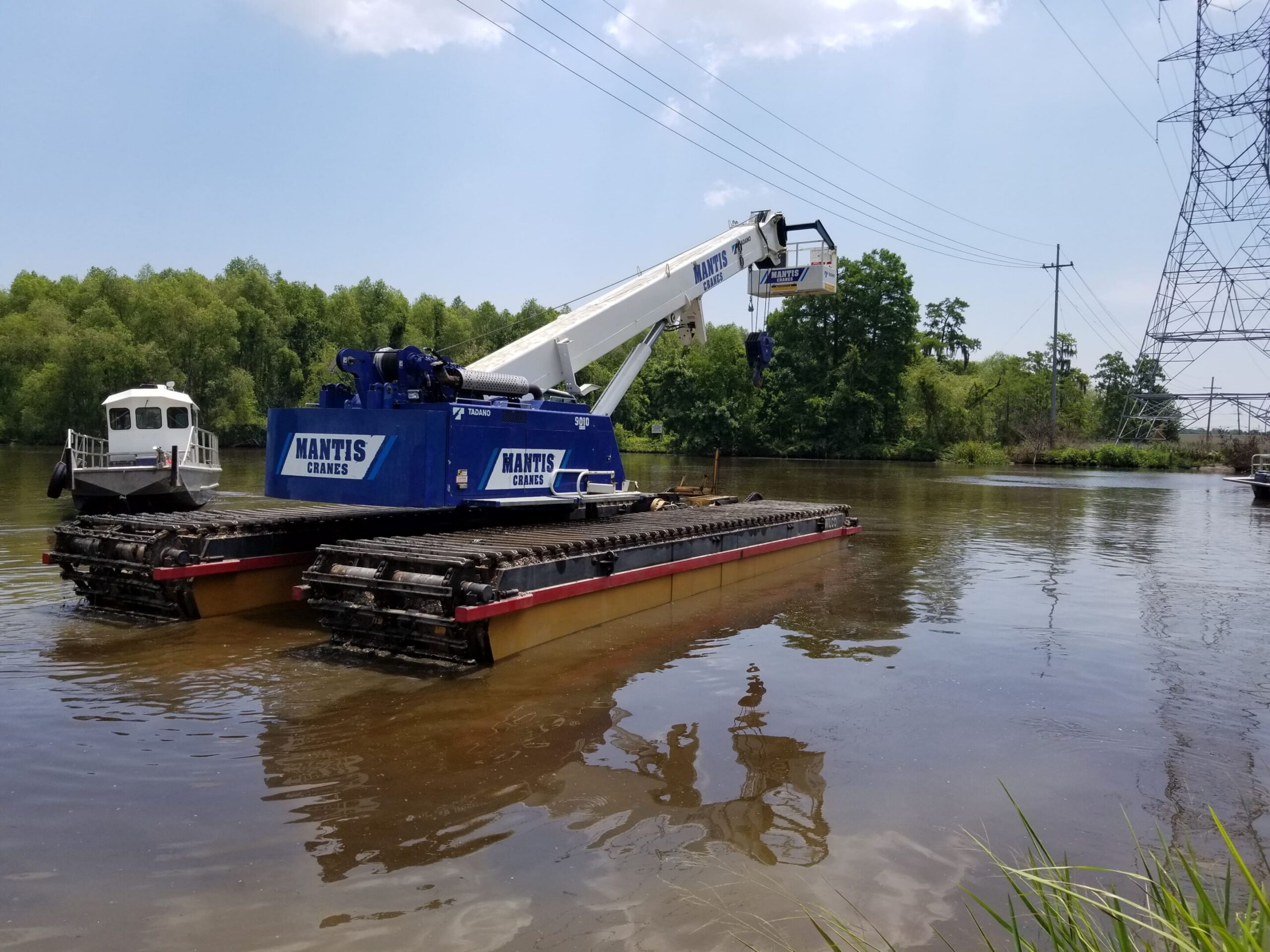
Working in soft, waterlogged, or unstable terrain presents unique challenges that conventional heavy equipment cannot handle effectively. In such environments, the risk of machinery sinking, losing balance, or becoming immobilized is significantly higher. This is where specialized equipment like swamp cranes and marsh cranes becomes essential.
Swamp cranes and marsh cranes are engineered specifically to operate in difficult terrains such as wetlands, swamps, floodplains, and muddy construction sites. Their design focuses on reducing ground pressure, increasing stability, and ensuring mobility even in the most demanding conditions.
These cranes play a crucial role across multiple industries, from construction and oil & gas to environmental restoration and disaster recovery. In this article, we explore the top seven uses of swamp and marsh cranes, along with their benefits, best practices, and key considerations for effective operation.
What Are Swamp Cranes and Marsh Cranes?
Swamp cranes and marsh cranes are specialized lifting machines designed for use in soft, unstable ground conditions. Unlike traditional cranes, they are equipped with features such as wide tracks, pontoons, or low-ground-pressure systems that allow them to distribute weight evenly and prevent sinking.
Key Characteristics
-
Low Ground Pressure: Minimizes impact on soft soil
-
Enhanced Stability: Ensures safe lifting operations
-
Adaptability: Works in both shallow water and muddy terrain
-
Durability: Built to withstand harsh environmental conditions
While the terms “swamp crane” and “marsh crane” are often used interchangeably, marsh cranes are typically optimized for slightly softer and wetter environments, whereas swamp cranes are designed for broader applications.
Top 7 Uses of Swamp Cranes and Marsh Cranes
1. Oil & Gas Projects
One of the most critical applications of swamp cranes is in the oil and gas industry, particularly in areas where drilling and pipeline installation occur in wetlands or marshy regions.
These cranes are used for:
-
Transporting heavy pipeline sections
-
Lifting and positioning equipment
-
Supporting drilling operations
Wetland environments often contain valuable natural resources, but accessing them requires equipment that can operate without damaging the terrain. Swamp cranes provide the stability and mobility needed to perform these tasks efficiently while minimizing environmental disruption.
2. Dredging Operations
Dredging involves removing sediment, debris, and other materials from the bottom of water bodies such as rivers, lakes, and canals. Swamp and marsh cranes play an essential role in these operations.
They are used for:
-
Lifting dredged materials
-
Supporting dredging equipment
-
Clearing waterways
Their ability to operate in shallow water and muddy conditions makes them ideal for maintaining navigable waterways and supporting infrastructure projects.
3. Flood Control and Water Management
Flood control projects often require working in areas with high water saturation and unstable soil. Swamp cranes are used extensively in these projects to build and maintain critical infrastructure.
Applications include:
-
Constructing levees and embankments
-
Installing flood barriers
-
Excavating drainage channels
Their low ground pressure ensures that the surrounding terrain is not further destabilized during construction.
4. Environmental Restoration
Environmental restoration projects aim to rehabilitate ecosystems that have been damaged by human activity or natural disasters. Swamp and marsh cranes are particularly valuable in these sensitive environments.
They are used for:
-
Rebuilding wetlands
-
Removing invasive vegetation
-
Placing natural barriers
Because these cranes minimize ground disturbance, they help preserve the ecological balance of the area while enabling restoration work.
5. Bridge Construction in Waterlogged Areas
Building bridges in marshy or swampy regions presents significant engineering challenges. Traditional cranes may not be able to operate safely in such conditions.
Swamp cranes assist in:
-
Lifting and placing structural components
-
Supporting foundation work
-
Transporting materials across soft terrain
Their stability ensures precise placement of heavy components, which is critical for structural integrity.
6. Utility Installation
Installing utilities such as pipelines, electrical cables, and communication lines in wetlands requires specialized equipment that can handle difficult terrain.
Swamp and marsh cranes are used for:
-
Laying underground cables
-
Installing pipelines
-
Supporting maintenance work
Their mobility allows them to navigate complex job sites without the need for additional support infrastructure.
7. Disaster Recovery and Emergency Response
After natural disasters such as floods, hurricanes, or storms, affected areas are often left with unstable ground conditions and debris.
Swamp cranes play a vital role in:
-
Clearing debris
-
Recovering equipment
-
Assisting in rebuilding efforts
Their ability to operate in flooded and muddy environments makes them indispensable during emergency response operations. Discover how this equipment performs in real-world heavy-duty projects click here to learn more.
Key Benefits of Swamp and Marsh Cranes
1. High Stability
One of the primary advantages of these cranes is their stability. Their design ensures that they remain balanced even when lifting heavy loads in unstable conditions.
2. Low Ground Pressure
By distributing weight evenly, swamp cranes minimize the risk of sinking. This is especially important in environmentally sensitive areas where ground disturbance must be minimized.
3. Versatility
These cranes can be used across a wide range of applications, from construction and dredging to environmental restoration and disaster recovery.
4. Improved Safety
Operating in wetlands can be hazardous, but swamp cranes are designed to reduce risks associated with unstable terrain.
5. Efficiency in Difficult Conditions
Their ability to operate in environments where traditional equipment cannot function improves project timelines and reduces delays.
Best Practices for Using Swamp and Marsh Cranes
1. Regular Maintenance
Operating in wet and muddy environments exposes equipment to corrosion and wear. Regular maintenance ensures optimal performance and extends the lifespan of the crane.
2. Proper Operator Training
Skilled operators are essential for safe and efficient crane operation. Training should include:
-
Handling unstable terrain
-
Load management
-
Safety protocols
3. Terrain Analysis
Before starting any project, it is important to assess the site conditions. Understanding soil composition, water depth, and load-bearing capacity helps in selecting the right equipment.
4. Load Planning
Proper load calculation and distribution are critical to prevent accidents and ensure smooth operations.
5. Environmental Considerations
When working in wetlands, it is important to minimize environmental impact by:
-
Avoiding unnecessary disturbance
-
Using eco-friendly practices
-
Following regulatory guidelines
Challenges and Considerations
While swamp and marsh cranes offer many advantages, they also come with certain challenges:
-
Higher operational costs compared to standard cranes
-
Need for specialized transport and setup
-
Limited availability in some regions
However, these challenges are often outweighed by their ability to perform in conditions where other equipment cannot operate.
Future Trends in Swamp Crane Technology
Advancements in technology are improving the efficiency and capabilities of swamp and marsh cranes. Some emerging trends include:
-
Enhanced automation and control systems
-
Improved fuel efficiency
-
Eco-friendly designs
-
Integration with GPS and remote monitoring
These innovations are expected to further expand the applications of these cranes in the coming years. Working with Wilco Marsh Buggies ensures you stay ahead with advanced equipment and industry expertise tailored to evolving project demands.
Conclusion
Swamp cranes and marsh cranes are indispensable tools for projects in challenging terrains. Their ability to operate in soft, waterlogged, and unstable environments makes them essential across industries such as construction, oil & gas, environmental restoration, and disaster recovery.
From pipeline installation and dredging to flood control and emergency response, these cranes provide the stability, mobility, and efficiency needed to complete complex projects successfully.
By understanding their applications, benefits, and best practices, project managers and contractors can make informed decisions and maximize the value of these specialized machines.
Explore crane solutions designed for the toughest terrains and learn how specialized equipment can improve efficiency in challenging environments. Reach out to experts to better understand the right equipment for your project needs.
FAQs
Q1. What is a swamp crane?
A swamp crane is a specialized crane designed to operate on soft, wet, and unstable terrain using low ground pressure systems.
Q2. Are marsh cranes different from swamp cranes?
They are very similar, but marsh cranes are typically optimized for wetter and softer environments.
Q3. Can swamp cranes operate in deep water?
Yes, depending on their configuration, some models can operate in shallow to moderately deep water.
Q4. What industries use swamp cranes the most?
Construction, oil & gas, dredging, environmental restoration, and disaster management industries commonly use them.
Q5. Are swamp cranes environmentally friendly?
They are designed to minimize ground disturbance, making them suitable for eco-sensitive areas.