

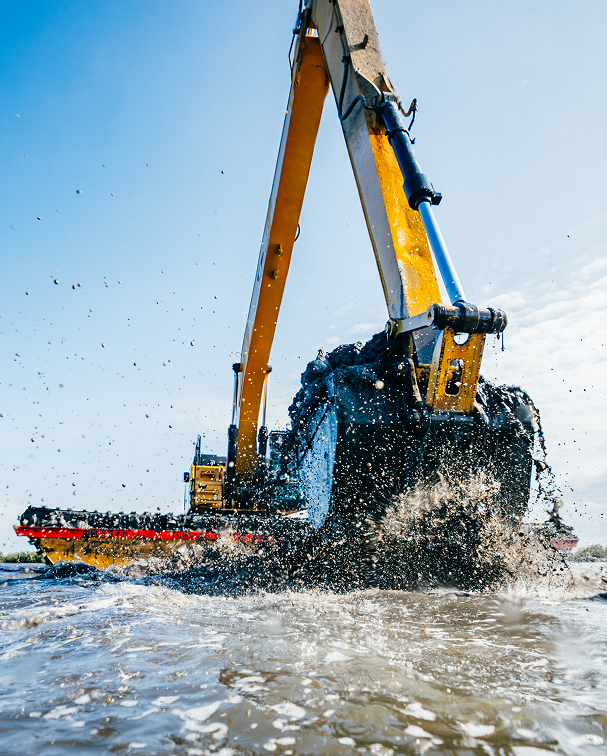
Transporting cargo in marshlands is one of the most complex challenges for project planners. Wet, unstable ground and changing water levels make movement difficult. Traditional transport methods often struggle in these conditions. This can lead to delays, higher costs, and safety risks.
A floating cargo carrier offers a modern solution. It is designed to move across both land and water with ease. For planners working in wetlands, understanding the difference between these options is critical. The right choice can improve efficiency and reduce project risks.
Challenges of Transporting Cargo in Marshlands
Marshlands create unique obstacles that standard equipment cannot easily handle. The terrain is soft and waterlogged. Vehicles can sink or lose traction.
Project planners often deal with:
- Unstable ground that cannot support heavy loads
- Limited access to remote wetland areas
- Changing water levels that disrupt transport routes
- Delays caused by equipment getting stuck
These challenges affect timelines and budgets. Even small delays can increase project costs.
What Is a Floating Cargo Carrier?
A floating cargo carrier is a specialized vehicle designed for wetland cargo transport. It operates on both water and soft land. This makes it ideal for marsh environments. An amphibious cargo carrier uses buoyant materials and wide tracks. This helps distribute weight evenly and prevents sinking.
Key features include:
- Ability to move across water and land without switching equipment
- Low ground pressure to protect soft terrain
- Strong load capacity for heavy cargo
- Reliable performance in wet conditions
These features make floating cargo carriers a dependable choice for difficult environments.
Traditional Transport Methods in Marshlands
Traditional transport methods include trucks, trailers, and tracked vehicles. These are widely used in construction and logistics. However, they are not designed for wetland conditions. They perform well on solid ground but struggle in marsh areas.
Common methods include:
- Standard trucks for material transport
- Tracked vehicles for rough terrain
- Temporary access roads for movement
While these methods may work in some cases, they often face limitations in swamp and wetland conditions.
Floating Cargo Carrier vs Traditional Transport: Key Differences
When comparing these options, the differences are clear. Each has strengths and weaknesses depending on the environment. Floating cargo carriers provide better mobility. They can move across water and soft ground without stopping. Traditional transport relies on stable surfaces. It often requires additional support like temporary roads.
Key differences include:
- Mobility and accessibility
Floating carriers move freely in wet areas
Traditional vehicles struggle in unstable terrain - Load capacity and efficiency
Floating carriers maintain consistent performance
Traditional vehicles may lose efficiency in mud - Safety and environmental impact
Floating carriers reduce ground damage
Traditional methods can harm the terrain - Performance in extreme wet conditions
Floating carriers are designed for waterlogged areas
Traditional equipment may fail or get stuck
These differences play a major role in project planning.
Advantages of Using Floating Cargo Carriers
Floating cargo carriers are built to solve marsh transport challenges. Their design offers several practical benefits. They allow smooth movement across mixed terrain. This reduces the need for multiple transport systems.
Key advantages include:
- Seamless movement across land and water
- Reduced risk of getting stuck
- Lower environmental impact due to low ground pressure
- Improved efficiency and faster project completion
For project planners, these benefits translate into better control over timelines and costs.
Limitations of Traditional Marsh Transport Equipment
Traditional equipment has clear drawbacks in wetland environments. These limitations can affect performance and reliability. Vehicles often struggle to maintain traction. This increases the risk of delays and accidents.
Common limitations include:
- High chance of getting stuck in mud
- Increased wear and tear on equipment
- Frequent maintenance and downtime
- Limited access to remote or flooded areas
These issues can disrupt logistics and increase overall project costs.
Cost and Logistics Comparison
Cost is a key factor when choosing transport equipment. Both options have different cost structures. Floating cargo carriers may have a higher initial cost. However, they often reduce operational expenses over time. Traditional transport may seem cheaper at first. But hidden costs can add up due to delays and maintenance.
Key cost factors include:
- Initial investment vs operational costs
Floating carriers require higher upfront investment
Traditional methods may need repeated spending - Fuel efficiency and maintenance
Floating carriers are designed for efficiency in wetlands
Traditional vehicles may consume more fuel in tough conditions - Long-term ROI for large projects
Floating carriers often deliver better returns over time
Traditional methods may increase long-term costs
A clear understanding of your needs helps you avoid unnecessary costs.
If you are unsure which solution fits your project, speaking with experts can make a big difference. Contact us today to discuss your requirements and get guidance on the right equipment for your wetland operations.
Key Factors Project Planners Should Consider
Choosing the right transport solution depends on several factors. Each project has unique requirements.
Project planners should evaluate:
- Terrain type and water levels
- Project duration and scale
- Type and weight of cargo
- Environmental regulations and restrictions
Understanding these factors helps in selecting the most efficient solution.
Choosing the Right Solution for Marsh Equipment Logistics
There is no single solution that works for every project. The right choice depends on the situation. Floating cargo carriers are best when working in highly wet or unstable areas. They provide consistent performance. Traditional transport may still work in areas with partial access or firmer ground.
In some cases, a hybrid approach may be useful.
General guidance includes:
- Choose floating cargo carriers when:
- The terrain is highly waterlogged
- Access is limited
- Efficiency is critical
- Choose traditional transport when:
- Ground conditions are stable
- Short distances are involved
- Budget is limited
- Use a hybrid approach when:
- Terrain conditions vary
- Projects require flexibility
This approach helps optimize logistics and performance.
Final Thoughts:
Transporting cargo in marshlands requires careful planning. The right equipment can make a major difference. Floating cargo carriers provide a reliable and efficient solution for challenging environments. They reduce risk and improve project outcomes.
Traditional transport methods still have a place in certain conditions. However, they may not be suitable for extreme wetland environments. Align your transport strategy with your project goals. This ensures better performance and cost control. Working with experienced equipment providers also helps. The right partner can guide you in selecting the best solution for your needs.
If your project involves wetland or marshland transport, choosing the right equipment is critical. The wrong decision can lead to delays, increased costs, and operational challenges.
For reliable and efficient solutions, consider working with trusted providers like Wilco Marsh Buggies. Their expertise in marsh equipment logistics can help you improve performance and complete projects with confidence.
FAQ
1. What is a floating cargo carrier?
A floating cargo carrier is an amphibious vehicle designed to transport materials across water and soft terrain in marshlands.
2. How is an amphibious cargo carrier different from traditional vehicles?
It can operate on both land and water, while traditional vehicles require stable ground.
3. Are floating cargo carriers suitable for heavy loads?
Yes, they are built to handle heavy cargo while maintaining stability in wet conditions.
4. When should I use traditional transport in marshlands?
Traditional transport can be used when the ground is stable and access is not limited.
5. Do floating cargo carriers reduce environmental impact?
Yes, they apply low ground pressure, which helps protect sensitive wetland ecosystems.
6. Which option is more cost-effective?
It depends on the project. Floating cargo carriers offer better long-term value in wet conditions, while traditional methods may work for short-term use in stable areas.