

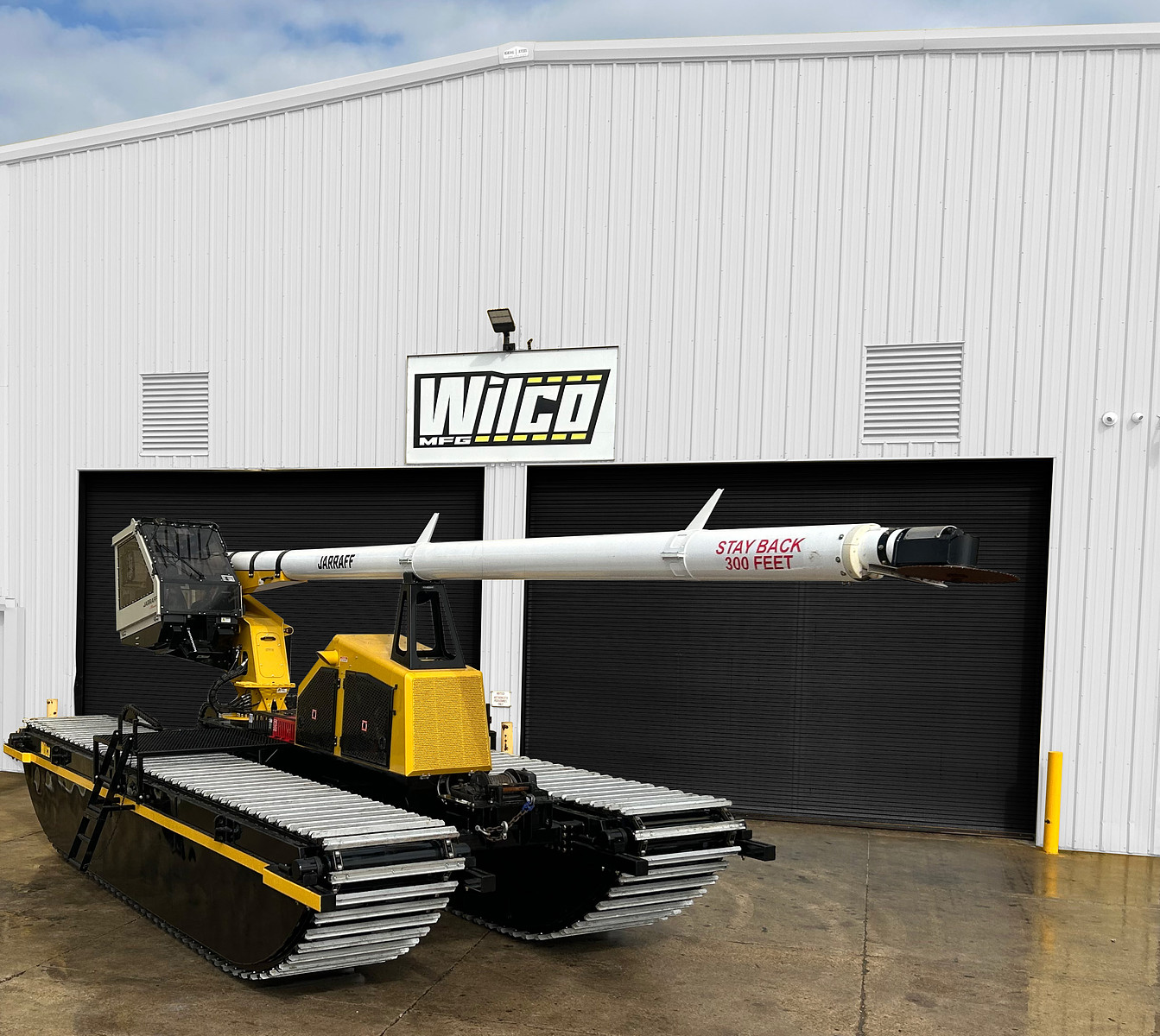
Working in wetlands, marshes, or flood prone areas comes with challenges that standard construction equipment cannot handle. Soft mud, shallow water, and unstable ground can bring a project to a halt before it even begins. This is where an amphibious excavator becomes a practical solution. Built to float and move across water and soft terrain, these machines allow crews to reach areas that would otherwise be inaccessible.
This guide explains what amphibious excavators are, how they work, where they are used, and what to consider when looking at amphibious excavators for sale. Wilco Marsh Buggies has spent years supplying equipment designed specifically for wetland and marsh conditions, and this article shares that background knowledge for anyone researching this type of machinery.
What Is an Amphibious Excavator
An amphibious excavator, sometimes called a marsh buggy excavator or swamp excavator, is a modified excavator built on pontoons instead of standard tracks. The pontoons allow the machine to float on water while still being able to dig, dredge, or clear vegetation on land. Unlike a conventional excavator, an amphibious digger is designed to distribute its weight across a wide surface area, which reduces the chances of sinking into soft or waterlogged ground.
These machines are typically used in locations where wheeled or tracked equipment cannot operate safely, such as marshes, swamps, wetlands, retention ponds, and shallow rivers. The pontoon base, combined with a hydraulic propulsion system, lets the excavator move through water and mud with more control than traditional heavy equipment.
How Amphibious Excavators Work in Marsh and Swamp Terrain
A marsh buggy excavator operates using hydraulic pontoons that provide both buoyancy and mobility. The pontoons are fitted with paddle wheels or tracks that allow the machine to move forward, reverse, and turn while partially or fully submerged. This design gives the operator the ability to dig, lift, and clear material without needing solid ground beneath the machine.
Because the excavator arm and cab sit above the pontoon base, operators can still perform standard excavation tasks such as trenching, dredging, and vegetation removal. The main difference is the stability system underneath, which is engineered specifically for wet, soft, or unstable environments.
Swamp buggy excavators are often fitted with long reach attachments as well, which extend the working radius of the machine. This is particularly useful in wetland restoration or canal maintenance projects where the excavator needs to reach materials without moving closer to the edge of a waterway.
Applications of Marsh Buggy Excavators
Amphibious excavators are used across a range of industries where ground conditions make standard equipment impractical. Common applications include:
- Wetland restoration and habitat management
- Canal and ditch maintenance
- Pond and lake dredging
- Vegetation and invasive plant removal
- Utility line installation in marsh areas
- Environmental cleanup projects
- Land clearing for construction in low lying regions
Each of these tasks requires equipment that can operate reliably in mud, shallow water, or unstable soil. A pontoon excavator gives contractors and environmental teams the flexibility to complete work in these conditions without needing to build temporary access roads or wait for dry seasons.
Key Features to Look for in Amphibious Excavators for Sale
When comparing amphibious excavators for sale, it helps to know which features affect performance and long term reliability. Buyers should look closely at pontoon size, hydraulic system capacity, reach length, and the type of attachments available.
The table below outlines general specifications to consider when evaluating amphibious digger models.
| Feature | Why It Matters |
|---|---|
| Pontoon width and length | Determines flotation stability and load distribution on soft ground. |
| Hydraulic drive system | Affects movement speed and control in water and mud. |
| Reach and boom length | Impacts how far the machine can dig or dredge without repositioning. |
| Attachment compatibility | Allows the excavator to switch between digging, mowing, and clearing tools. |
| Operating weight | Influences ground pressure and suitability for different terrain types. |
| Cab visibility | Supports safer operation in low-visibility marsh or swamp settings. |
Reviewing these factors before purchasing helps match the machine to the specific type of terrain and project scope, whether that involves shallow wetlands, deeper marsh areas, or a combination of both.
Long Reach Amphibious Excavators for Specialized Work
A long reach amphibious excavator is designed for projects where the machine needs to access material from a distance, without entering deeper or less stable sections of water. This is common in canal dredging, shoreline restoration, and utility work near waterways.
The extended boom allows operators to dig, lift, or clear vegetation while keeping the base of the machine in a safer, more stable position. This reduces the risk of the excavator becoming stuck in deep mud or uneven underwater terrain, while still allowing the work to be completed efficiently.
For projects involving wide canals, retention ponds, or large wetland areas, a long reach configuration often reduces the number of repositioning moves needed, which can help projects stay on schedule.
Amphibious Excavators in Florida Wetlands
Florida is home to extensive wetland systems, marshes, and low lying coastal regions, which makes amphibious excavation equipment particularly relevant for contractors and environmental teams working in the state. From the Everglades to smaller inland marshes, ground conditions can shift quickly between dry land, soft mud, and standing water, sometimes within the same project site.
Because of this, equipment used in Florida wetlands needs to handle variable terrain without requiring constant adjustments to work methods. Amphibious excavators are well suited to this environment, since they can transition between water and land without needing separate machines for each condition. Readers looking for more localized information can also explore the Amphibious Excavator Florida resource from Wilco Marsh Buggies to learn how these machines are used across the state’s diverse wetland environments.
Choosing the Right Amphibious Digger for Your Project
Selecting the right amphibious excavator depends on the type of terrain, the scope of the project, and the tasks that need to be performed. A smaller marsh excavator may be sufficient for light vegetation clearing or shallow ditch maintenance, while larger swamp excavator models with extended reach are better suited for dredging or large scale wetland restoration.
It is also worth considering how often the equipment will be used in fully submerged conditions versus soft ground that is only partially wet. This affects the pontoon design, hydraulic requirements, and overall durability needed for consistent performance.
Working with a supplier that understands marsh and wetland conditions can make the buying process more straightforward, since equipment recommendations can be based on the specific ground and water conditions of the project site rather than general specifications alone.
Wilco Marsh Buggies works with contractors, environmental agencies, and land management teams to provide amphibious excavator equipment designed for marsh, swamp, and wetland projects. Our team can help identify the right machine configuration based on site conditions, access requirements, and project goals.
Contact us today to discuss your project and find the amphibious excavator solution best suited to your terrain and operational needs.
Frequently Asked Questions
1. What is the difference between a standard excavator and an amphibious excavator?
A standard excavator relies on tracks or wheels designed for solid ground, while an amphibious excavator uses pontoons that allow it to float and operate in water, mud, or soft wetland terrain.
2. Where are amphibious excavators typically used?
They are used in wetlands, marshes, swamps, retention ponds, canals, and other areas where standard construction equipment cannot safely operate due to soft or waterlogged ground.
3. Can a marsh buggy excavator work on dry land as well as water?
Yes. Amphibious excavators are designed to transition between water and land, which makes them useful for projects where ground conditions vary across the same site.
4. What is a long reach amphibious excavator used for?
A long reach amphibious excavator is used when the machine needs to dig, dredge, or clear material from a distance, such as across a wide canal or pond, without moving into less stable areas.
5. Are amphibious excavators suitable for Florida wetland projects?
Yes. Florida wetlands often involve shifting ground conditions between mud, standing water, and dry land, which makes amphibious equipment a practical option for contractors and environmental teams working in the state.
6. What should buyers consider before purchasing an amphibious excavator?
Buyers should evaluate pontoon size, hydraulic system performance, reach length, attachment options, and operating weight based on the specific terrain and tasks involved in their project.