

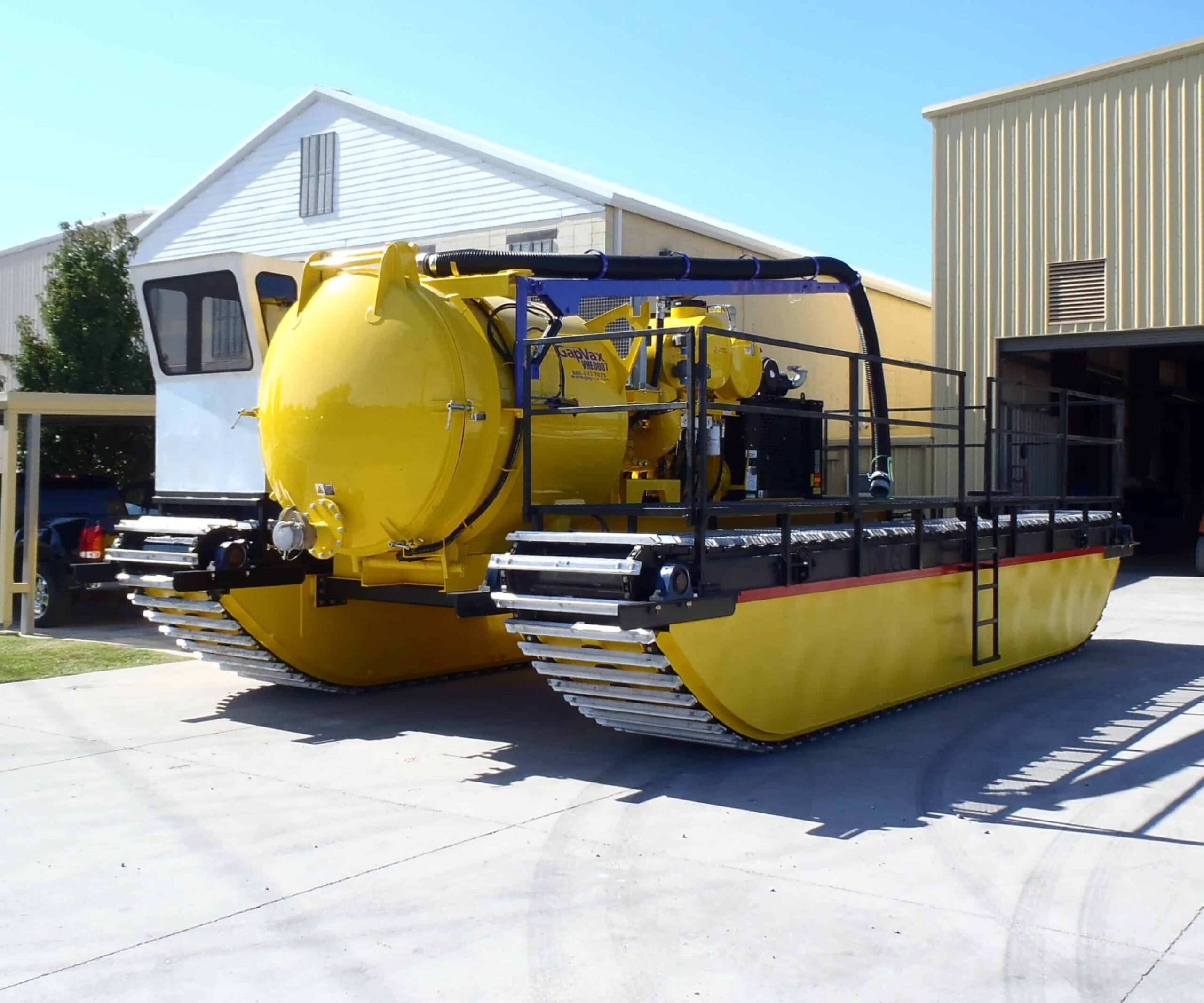
Maintaining infrastructure in remote and environmentally sensitive areas is a complex challenge. Swamplands, wetlands, and marshy terrains present unique obstacles that make traditional equipment and methods ineffective. For industries that rely on clear access corridors, such as utilities, pipelines, and telecommunications, maintaining right-of-way is essential for safety, compliance, and operational efficiency.
In these difficult environments, amphibious cargo transport logistics plays a critical role. It enables crews and equipment to move seamlessly across land and water while minimizing environmental disruption. Combined with effective vegetation management and specialized tools like amphibious mowing, it becomes possible to maintain right-of-way in areas that would otherwise be inaccessible.
This guide explores how amphibious logistics supports ROW maintenance in swamplands, the challenges involved, and the best practices for successful operations.
Understanding Right-of-Way Maintenance in Swamplands
Right-of-way maintenance refers to keeping designated corridors clear for infrastructure such as pipelines, power lines, railways, and access roads. These corridors must remain free of excessive vegetation and obstructions to ensure safety and accessibility.
In swamplands, maintaining these corridors is significantly more difficult due to:
-
Waterlogged ground conditions
-
Dense and fast-growing vegetation
-
Limited accessibility for traditional machinery
-
Environmental protection regulations
Despite these challenges, regular ROW maintenance is essential to prevent hazards, maintain visibility, and ensure compliance with regulatory standards.
Challenges of Swampland Terrain
Swamplands present a unique set of operational challenges that require specialized solutions.
- Limited Accessibility: Standard vehicles and equipment often cannot operate in soft, unstable ground. This makes it difficult to transport workers, tools, and materials.
- Environmental Sensitivity: Wetlands are protected ecosystems. Maintenance activities must minimize disturbance to soil, water, and wildlife.
- Rapid Vegetation Growth: Swamplands support dense plant growth, which can quickly obstruct access corridors and infrastructure.
- Safety Risks: Unstable terrain, hidden water channels, and difficult navigation increase risks for crews.
These challenges highlight the need for innovative approaches such as amphibious logistics.
What Is Amphibious Cargo Transport Logistics
Amphibious cargo transport logistics involves the use of specialized vehicles and systems designed to operate on both land and water. These vehicles are capable of navigating wetlands, marshes, and flooded areas without becoming stuck or causing damage to the terrain.
Key features include
-
Low ground pressure to prevent sinking
-
Ability to float and move through water
-
Adaptability to uneven and soft terrain
-
Capacity to transport equipment and personnel
This approach allows maintenance teams to access remote areas efficiently while maintaining safety and environmental compliance.
Role of Amphibious Cargo Transport Logistics in ROW Maintenance
Amphibious logistics is essential for maintaining right-of-way in swamplands.
- Improved Access: These vehicles provide reliable access to areas that cannot be reached by conventional equipment.
- Efficient Equipment Transport: Heavy tools and machinery can be transported directly to the worksite, reducing delays and manual effort.
- Reduced Environmental Impact: Low ground pressure and controlled movement minimize soil disturbance and protect sensitive ecosystems.
- Enhanced Safety: Stable and purpose-built vehicles reduce risks for operators working in challenging conditions.
By enabling efficient movement and operation, amphibious logistics becomes a foundation for successful ROW maintenance.
Vegetation Management in Swamplands
Effective vegetation management is a key component of maintaining right-of-way.
Importance of vegetation control
-
Prevents obstruction of infrastructure
-
Reduces fire hazards in dry periods
-
Improves visibility for inspections
-
Maintains access for maintenance crews
Challenges in wetland vegetation
-
Dense and invasive plant species
-
Rapid regrowth due to high moisture levels
-
Limited access for traditional mowing equipment
To address these challenges, specialized methods such as amphibious mowing are used.
Amphibious Mowing for Effective ROW Maintenance
Amphibious mowing is a technique that uses specialized equipment designed to cut vegetation in wet and marshy environments.
How amphibious mowing works
-
Machines operate on both water and land
-
Equipped with cutting tools for dense vegetation
-
Designed to handle uneven and soft terrain
Benefits of amphibious mowing
-
Efficient clearing of vegetation in hard-to-reach areas
-
Minimal environmental disruption
-
Improved consistency in ROW maintenance
-
Reduced need for manual labor
This method ensures that vegetation is managed effectively without compromising safety or environmental standards, a standard consistently upheld by Wilco Marsh Buggies.
Best Practices for ROW Maintenance in Swamplands
To achieve successful outcomes, it is important to follow proven strategies.
- Conduct thorough site assessments: Understanding terrain, water levels, and vegetation types helps in planning effective operations.
- Use specialized equipment: Amphibious vehicles and mowing equipment are essential for navigating challenging environments.
- Prioritize environmental protection: Follow regulations and adopt practices that minimize impact on ecosystems.
- Train personnel: Operators should be trained to handle amphibious equipment safely and efficiently.
- Schedule regular maintenance: Consistent maintenance prevents overgrowth and reduces long-term costs.
Environmental Considerations
Swampland maintenance must balance operational needs with environmental responsibility.
Protecting ecosystems: Avoid unnecessary disturbance to wildlife and plant life.
Managing water quality: Prevent contamination and maintain natural water flow.
Reducing soil impact: Use low-impact equipment to preserve soil structure.
Compliance with regulations: Adhere to local and national environmental guidelines.
Responsible practices ensure sustainable operations and long-term success.
Safety Measures in Swampland Operations
Safety is a top priority in challenging environments.
- Risk assessment: Identify potential hazards before starting work.
- Proper equipment use: Ensure all machinery is maintained and used correctly.
- Communication systems: Reliable communication is essential for coordination and emergency response.
- Emergency preparedness: Have plans in place for evacuation and rescue if needed.
These measures help protect workers and ensure smooth operations.
Cost Efficiency and Long-Term Benefits
While amphibious logistics may require initial investment, it offers significant long-term advantages.
- Reduced downtime: Efficient access minimizes delays in maintenance operations.
- Lower labor costs: Mechanized solutions reduce the need for manual work.
- Improved productivity: Faster and more effective operations increase overall efficiency.
- Extended infrastructure lifespan: Regular maintenance prevents damage and costly repairs.
These benefits make amphibious logistics a valuable investment.
Future Trends in Amphibious Logistics and ROW Maintenance
Technology continues to improve the effectiveness of maintenance operations.
- Advanced equipment: New designs offer better performance and efficiency.
- Automation: Emerging technologies may enable semi-autonomous operations.
- Sustainable practices: Increased focus on eco-friendly solutions and reduced emissions.
- Data-driven planning: Using data to optimize maintenance schedules and resource allocation.
These trends will further enhance the capabilities of amphibious logistics.
Conclusion
Maintaining right-of-way in swamplands is a complex task that requires specialized solutions. Traditional methods often fall short due to accessibility challenges and environmental concerns.
Amphibious cargo transport logistics provides a practical and effective approach, enabling crews to navigate difficult terrain, transport equipment, and perform essential maintenance tasks. Combined with techniques like amphibious mowing and strategic vegetation management, it ensures that infrastructure remains safe, accessible, and compliant.
By adopting modern technologies and best practices, organizations can overcome the challenges of swampland maintenance while protecting the environment.
If your operations involve maintaining right-of-way in challenging environments, the right approach can make all the difference.
Explore advanced amphibious cargo transport logistics solutions to improve efficiency, enhance safety, and ensure reliable vegetation management in even the most inaccessible swamplands. Contact us today to learn how we can support your project.
Frequently Asked Questions
1. What is amphibious cargo transport logistics
It refers to the use of vehicles and systems that can operate on both land and water to transport equipment and personnel.
2. Why is ROW maintenance important in swamplands
It ensures infrastructure remains accessible, safe, and compliant with regulations.
3. What is amphibious mowing
It is a method of cutting vegetation using equipment designed for wet and marshy environments.
4. How does amphibious logistics benefit vegetation management
It provides access to difficult areas and allows efficient use of specialized equipment.
5. Is amphibious equipment environmentally friendly
Yes, it is designed to minimize ground impact and protect sensitive ecosystems.