

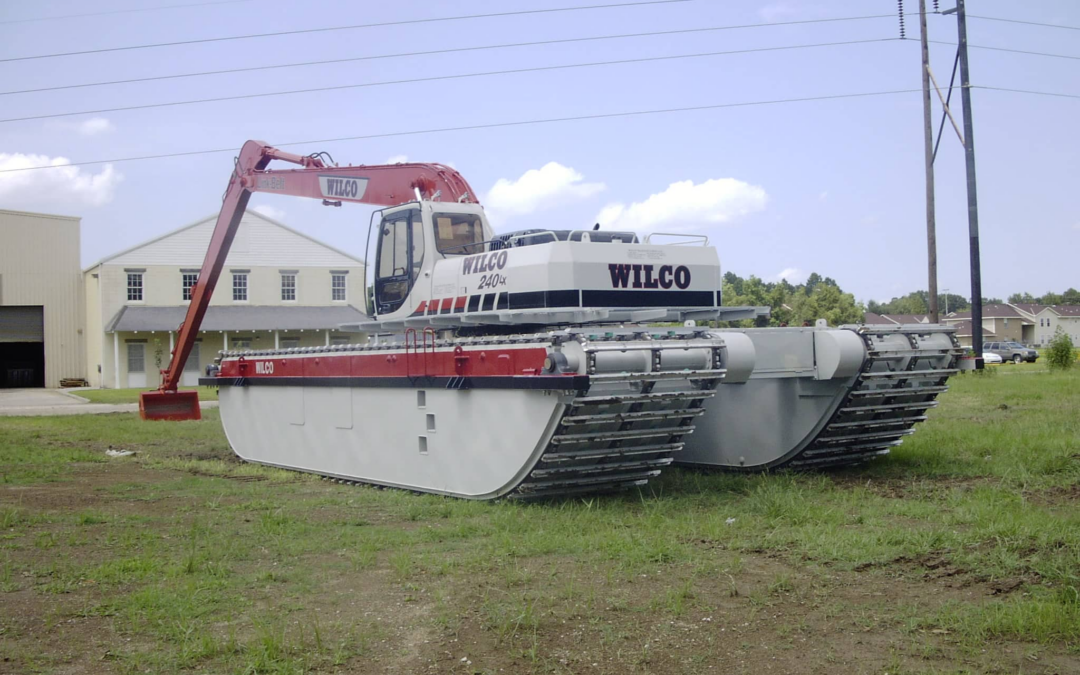
Environmental remediation projects play a vital role in protecting land, water, wildlife, and nearby communities. These projects focus on removing pollution, restoring damaged ecosystems, and preventing long-term environmental harm. Many remediation efforts take place in wetlands, marshes, and shallow water areas where access is difficult and environmental sensitivity is high.
This is where amphibious equipment becomes essential. Unlike standard machinery, amphibious equipment is designed to operate on land and water without causing excessive damage. Wilco Marsh Buggies supports environmental cleanup efforts by providing specialized equipment that allows government agencies, NGOs, and contractors to complete remediation projects safely, efficiently, and responsibly.
Understanding Environmental Remediation Projects
What Is Environmental Remediation?
Environmental remediation refers to the process of removing contaminants from soil, sediment, and water to restore natural conditions. These contaminants may come from industrial activity, oil spills, construction runoff, or invasive species. Remediation helps protect ecosystems and ensures that land and water remain safe for both wildlife and human use.
Many remediation projects focus on wetlands and coastal environments because these areas act as natural filters and buffers. Restoring them requires careful planning and equipment that can operate without disturbing delicate habitats.
Common Challenges in Sensitive Ecosystems
Wetlands and marshes present unique challenges for cleanup work. The ground is often unstable, saturated with water, and unable to support traditional cleanup machinery. Heavy equipment can sink, damage vegetation, or compact soil, which can slow or reverse recovery efforts.
Access is another major issue. Many remediation sites lack roads or stable entry points. Creating temporary access routes can cause further environmental damage and increase project costs. These challenges make specialized cleanup machinery a necessity rather than a luxury.
Why Specialized Equipment Is Critical
Environmental remediation projects must meet strict environmental regulations. The goal is not only to remove contamination but also to avoid additional harm to the ecosystem. Specialized environmental remediation equipment is designed to minimize ground pressure, reduce disturbance, and allow precise operation in sensitive areas.
Amphibious equipment supports compliance with environmental standards while improving safety and efficiency. It allows crews to work effectively in locations where traditional machinery simply cannot operate.
The Role of Amphibious Equipment in Environmental Cleanup
What Makes Amphibious Equipment Different
Amphibious equipment is built to function on both land and water. It uses wide tracks or pontoons to distribute weight evenly, allowing it to float or move across soft ground without sinking. This design provides stability and control in environments where conventional equipment would struggle.
These machines are engineered for durability and precision. Their unique construction makes them well suited for environmental remediation projects that demand careful handling and minimal impact.
Operating in Wetlands, Marshes, and Shallow Water
Wetlands and marshes often contain shallow water, dense vegetation, and soft soil. Amphibious cleanup machinery is specifically designed to navigate these conditions. Operators can reach contaminated areas directly without draining water or building access roads.
This capability saves time and reduces environmental disturbance. It also allows remediation work to proceed while preserving the natural structure of the ecosystem.
Minimizing Environmental Disturbance During Cleanup
Protecting the environment during remediation is just as important as removing contamination. Amphibious equipment applies low ground pressure, which helps preserve root systems, soil structure, and aquatic habitats.
By reducing physical disturbance, these machines support faster natural recovery. This approach improves project outcomes and aligns with modern environmental protection standards.
Key Environmental Remediation Applications
Wetland Recovery and Restoration
Wetlands support biodiversity, improve water quality, and reduce flooding. When these areas are damaged, recovery requires specialized methods. Amphibious environmental remediation equipment allows restoration work such as grading, planting, and debris removal without harming surrounding habitats.
This makes amphibious machinery a critical tool for wetland recovery projects. It enables precise work while maintaining ecological balance.
Contaminated Sediment Removal
Sediment contamination can severely impact water quality and aquatic life. Removing polluted sediment in shallow water environments is complex and risky without proper equipment. Amphibious machinery provides a stable platform for sediment removal operations.
This stability allows crews to work efficiently while minimizing the spread of contaminants. As a result, waterways can be restored more effectively.
Invasive Species and Vegetation Management
Invasive plants can overtake wetlands and disrupt native ecosystems. Managing these species often requires accessing dense and waterlogged areas. Amphibious cleanup machinery allows crews to reach and manage invasive vegetation safely.
Effective vegetation management supports long-term ecosystem health and improves the success of remediation efforts.
Oil Spill and Pollution Response
Oil spills and pollution incidents in wetlands demand rapid response. Delayed cleanup can result in widespread environmental damage. Amphibious equipment enables quick access to affected areas, supporting containment and cleanup activities.
This rapid response capability helps limit environmental impact and supports compliance with environmental regulations.
Why Amphibious Equipment Is Ideal Cleanup Machinery
Accessing Hard to Reach Areas
Many remediation sites are remote and inaccessible by conventional vehicles. Amphibious equipment can reach areas that are otherwise unreachable, making it indispensable for environmental cleanup work.
This level of access allows projects to move forward without constructing roads or altering the landscape.
Reducing the Need for Temporary Roads or Platforms
Building temporary access roads or platforms can damage ecosystems and increase project complexity. Amphibious cleanup machinery eliminates the need for such structures by operating directly in wet and unstable conditions.
This reduces environmental disturbance and lowers overall project costs while supporting sustainable cleanup practices.
Safety, Efficiency, and Environmental Compliance
Unstable ground poses safety risks to workers. Amphibious equipment provides a stable operating platform, improving safety and control during remediation activities.
These machines also help ensure compliance with environmental regulations by minimizing disturbance and supporting responsible cleanup methods.
Wilco Marsh Buggies’ Contribution to Environmental Remediation
Wilco’s Experience in Environmental Cleanup Projects
Wilco Marsh Buggies specializes in amphibious equipment designed for challenging environments. The company understands the complexities of environmental remediation and provides solutions that meet real-world demands.
This experience allows Wilco to support a wide range of cleanup projects across sensitive ecosystems.
Amphibious Equipment Designed for Sensitive Environments
Wilco Marsh Buggies focuses on equipment designs that reduce ground pressure and protect natural landscapes. Their amphibious machinery is built to perform reliably in wetlands, marshes, and shallow water areas. This focus on environmental responsibility makes Wilco a valuable partner for remediation projects.
Supporting Government Agencies, NGOs, and Contractors
Environmental remediation projects often involve multiple stakeholders with strict requirements. Wilco provides dependable equipment solutions that support project timelines, safety standards, and environmental compliance. Government agencies, NGOs, and contractors benefit from equipment that performs consistently in demanding conditions.
Choosing the Right Environmental Remediation Equipment
Factors to Consider for Cleanup and Wetland Recovery
Each remediation project presents unique challenges. Factors such as terrain, water depth, and contamination type influence equipment selection. Choosing the right environmental remediation equipment is essential for effective and safe cleanup. The equipment should align with environmental sensitivity and project goals.
Matching Equipment to Project Scope and Terrain
Large-scale remediation projects often require versatile machinery that can adapt to changing conditions. Amphibious equipment offers this flexibility, making it suitable for a wide range of cleanup tasks. This adaptability helps control costs and improve efficiency throughout the project lifecycle.
Long Term Environmental and Operational Benefits
Using appropriate cleanup machinery protects ecosystems and reduces the risk of future damage. Sustainable remediation practices also enhance public trust and regulatory compliance. Investing in the right equipment supports both environmental recovery and long-term operational success.
The Future of Environmental Remediation with Amphibious Technology
Increasing Environmental Regulations and Restoration Needs
Environmental regulations continue to evolve, increasing the demand for responsible remediation solutions. Wetland recovery and habitat restoration projects are becoming more common worldwide. Amphibious equipment will continue to play a key role in meeting these growing demands.
Sustainable Cleanup Solutions
Sustainability is now a core requirement in environmental remediation. Amphibious environmental remediation equipment supports sustainable cleanup by reducing disturbance and improving efficiency. This approach benefits ecosystems, communities, and project stakeholders alike.
How Wilco Supports Ongoing Environmental Recovery Efforts
Wilco Marsh Buggies remains committed to supporting environmental recovery through reliable amphibious equipment. Their solutions help agencies and contractors meet modern remediation challenges while protecting sensitive ecosystems.
Choosing the right equipment partner is critical. Wilco continues to support responsible environmental cleanup efforts across diverse landscapes.
If your organization is planning an environmental remediation or wetland recovery project, selecting the right equipment is essential. Wilco Marsh Buggies offers amphibious environmental remediation equipment designed to support responsible cleanup in sensitive environments. Explore how Wilco Marsh Buggies can support your next project and help protect natural ecosystems for the future. Contact us today to discuss your project needs and explore how their equipment can support your next project while helping protect natural ecosystems for the future.
Frequently Asked Questions
1. What is environmental remediation equipment?
Environmental remediation equipment refers to machinery used to clean contaminated land and water. It supports tasks such as sediment removal, soil cleanup, and habitat restoration.
2. Why is amphibious equipment used for wetland recovery?
Wetlands have soft ground and shallow water that cannot support traditional machinery. Amphibious equipment operates safely in these conditions while minimizing environmental damage.
3. Who uses amphibious cleanup machinery?
Government agencies, NGOs, and contractors commonly use amphibious cleanup machinery for environmental remediation and wetland recovery projects.
4. Can amphibious equipment reduce environmental impact?
Yes. Amphibious equipment applies low ground pressure, which helps protect soil structure, vegetation, and aquatic habitats during cleanup work.
5. How does Wilco Marsh Buggies support remediation projects?
Wilco provides specialized amphibious equipment designed for sensitive environments. Their solutions support safe, efficient, and environmentally responsible remediation efforts.