

Wetlands play a critical role in protecting coastlines, supporting wildlife, and maintaining water quality. In Louisiana, wetlands are especially important because they act as natural buffers against storms and erosion. However, many wetlands across the state face ongoing threats from land loss, rising sea levels, and human activity.
Restoring these wetlands requires careful planning and the right marsh equipment. Environmental planners and local governments must balance ecological protection with practical project execution. Wilco Marsh Buggies supports wetland restoration projects by providing amphibious equipment that allows work to continue in sensitive marsh environments without causing additional harm.
This article explains how Wilco Marsh Buggies help support a wetland restoration project in Louisiana and why specialized marsh equipment is essential for long term coastal recovery.
The Importance of Wetland Restoration in Louisiana
Why Wetlands Matter Along the Louisiana Coast
Wetlands along the Louisiana coast serve as natural defenses against flooding and storm surge. They absorb wave energy, reduce erosion, and protect inland communities. These ecosystems also provide critical habitat for fish, birds, and other wildlife that depend on marsh environments to survive.
Beyond environmental benefits, wetlands support local economies. Fisheries, tourism, and recreation all rely on healthy coastal ecosystems. When wetlands are damaged or lost, the effects extend far beyond the shoreline.
Environmental Challenges Facing Louisiana Wetlands
Louisiana experiences one of the highest rates of wetland loss in the United States. Factors such as subsidence, hurricanes, sea level rise, and altered water flow contribute to this problem. Human activity, including dredging and development, can also disrupt natural sediment patterns.
These challenges make restoration efforts complex. Projects must address environmental damage while preventing further disruption. This is why restoration strategies often rely on specialized marsh equipment designed to work within fragile ecosystems.
The Role of Restoration Projects in Coastal Protection
Wetland restoration projects aim to rebuild land, stabilize shorelines, and restore natural vegetation. These efforts help slow erosion and improve ecosystem resilience. Restoration also supports water quality by filtering pollutants and improving natural drainage.
For local governments and environmental planners, wetland restoration is a long term investment in public safety and environmental health. Success depends on using equipment that aligns with these goals.
Overview of the Wetland Restoration Project
Location and Environmental Conditions
Wetland restoration projects in Louisiana often take place in low lying coastal areas. These environments are characterized by soft soils, shallow water, and dense vegetation. Access can be limited, and ground conditions change frequently due to tides and weather.
Such conditions make traditional construction and cleanup equipment impractical. Amphibious marsh equipment is better suited for these environments because it can operate on water and unstable ground without sinking or causing excessive disturbance.
Restoration Goals and Project Scope
The primary goal of a wetland restoration project is to restore natural function. This includes rebuilding marsh land, supporting vegetation growth, and improving water flow. Projects may also focus on reducing erosion and protecting nearby communities from flooding.
To achieve these goals, crews must move materials, manage sediment, and work directly within the marsh. Specialized equipment is essential to complete these tasks safely and effectively.
Stakeholders Involved in the Project
Wetland restoration projects typically involve multiple stakeholders. Environmental planners, local governments, regulatory agencies, and contractors all play a role. Each group has specific responsibilities related to planning, oversight, and execution.
Coordination between stakeholders is critical. Reliable equipment helps ensure that restoration activities stay on schedule and meet environmental requirements.
Challenges Faced During the Wetland Restoration Project
Difficult Terrain and Limited Site Access
One of the biggest challenges in any wetland restoration project is access. Many Louisiana marshes have no roads or stable ground. Bringing equipment into these areas without causing damage requires careful planning.
Traditional machinery often cannot operate in such conditions. Amphibious marsh equipment provides a solution by allowing crews to move directly across water and soft soil.
Working in Sensitive Marsh Environments
Marsh ecosystems are highly sensitive. Heavy equipment can damage vegetation, compact soil, and disrupt wildlife habitats. Restoration work must avoid these impacts to be successful. Using the wrong equipment can undermine restoration goals. This is why environmental planners prioritize machinery that minimizes ground pressure and environmental disturbance.
Environmental and Regulatory Constraints
Wetland restoration projects must comply with strict environmental regulations. These rules are designed to protect ecosystems during construction and cleanup activities. Equipment used in these projects must support compliance. Amphibious equipment allows work to continue while meeting regulatory standards related to environmental protection.
Role of Marsh Equipment in the Restoration Effort
Why Amphibious Marsh Equipment Was Required
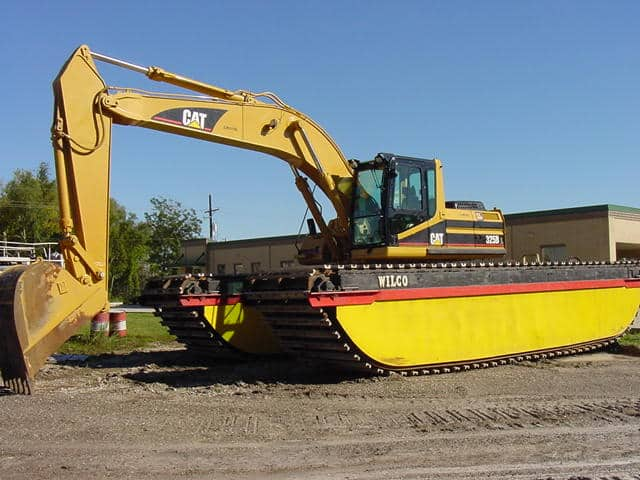
Amphibious marsh equipment is specifically designed for environments where land and water meet. It uses wide tracks or flotation systems to distribute weight evenly and maintain stability. This design allows the equipment to operate where traditional machines cannot. For wetland restoration projects in Louisiana, this capability is essential.
Equipment Capabilities for Wetland Terrain
Marsh equipment must perform multiple tasks. These include moving materials, supporting vegetation work, and navigating shallow water channels. Amphibious machines are built to handle these demands. Their versatility allows crews to adapt to changing site conditions without switching equipment. This improves efficiency and reduces environmental impact.
Supporting Restoration Without Ecosystem Damage
Protecting the ecosystem during restoration is a top priority. Amphibious marsh equipment applies low ground pressure, which helps preserve soil structure and plant roots. This approach supports faster recovery and better long term outcomes. It aligns with the goals of environmental planners and local governments.
How Wilco Marsh Buggies Supported the Project
Wilco’s Approach to Wetland Restoration Projects
Wilco Marsh Buggies specializes in equipment designed for challenging environments. The company understands the unique demands of wetland restoration projects and focuses on solutions that support environmental protection. Wilco works closely with planners and contractors to ensure equipment meets project needs and site conditions.
Equipment Performance in Louisiana Marsh Conditions
Louisiana marshes present demanding conditions that require durable and reliable equipment. Wilco Marsh Buggies designs machines to perform consistently in soft soils, shallow water, and dense vegetation. This reliability helps keep restoration work moving forward while maintaining environmental standards.
Collaboration With Environmental Planners and Local Governments
Successful restoration requires collaboration. Wilco supports environmental planners and local governments by providing equipment that aligns with project goals and regulatory requirements. This partnership approach helps ensure restoration efforts remain effective and environmentally responsible.
Impact of the Wetland Restoration Project
Environmental Improvements Achieved
Wetland restoration projects aim to improve ecosystem health. This includes increased vegetation growth, improved water flow, and enhanced wildlife habitat. Using appropriate marsh equipment supports these improvements by reducing disturbance during restoration activities.
Benefits to the Louisiana Coast and Local Communities
Restored wetlands benefit coastal communities by reducing flood risk and supporting local economies. Healthy marshes also improve water quality and biodiversity. These benefits highlight the importance of continued investment in restoration efforts across the Louisiana coast.
Long Term Value of Using Specialized Marsh Equipment
Choosing the right equipment has long term value. It supports sustainable restoration practices and reduces the risk of future damage. For local governments, this approach protects public resources and promotes environmental resilience.
Lessons Learned From the Wetland Restoration Project
Importance of Equipment Selection
Equipment selection plays a major role in restoration success. Amphibious marsh equipment allows work to proceed efficiently while protecting sensitive environments. This lesson applies to restoration projects across Louisiana and beyond.
Best Practices for Future Wetland Restoration Projects
Future projects benefit from early planning and proper equipment selection. Understanding site conditions and environmental constraints is essential. Using specialized marsh equipment helps projects meet goals while minimizing environmental impact.
How Amphibious Equipment Improves Project Outcomes
Amphibious equipment improves access, safety, and efficiency. It also supports compliance with environmental regulations. These advantages make it a key component of successful wetland restoration projects.
Supporting Future Wetland Restoration in Louisiana
Growing Need for Coastal and Marsh Restoration
Coastal restoration remains a priority in Louisiana. Ongoing environmental challenges make wetland recovery more important than ever. Local governments and planners continue to seek effective solutions that protect ecosystems and communities.
How Wilco Marsh Buggies Continues to Support Restoration Efforts
Wilco Marsh Buggies remains committed to supporting restoration efforts through reliable amphibious marsh equipment. Their focus on environmental responsibility aligns with modern restoration needs. This commitment helps ensure future projects can be completed safely and effectively.
Partnering With Local Governments and Environmental Planners
Strong partnerships support successful restoration. Wilco works with planners and local governments to provide equipment that meets environmental and operational requirements. This collaboration supports long term coastal resilience.
If your organization is planning a wetland restoration project along the Louisiana coast, selecting the right marsh equipment is essential. Wilco Marsh Buggies offers amphibious solutions designed to support responsible restoration in sensitive environments. Contact Us to discuss your project needs and learn how their equipment can support effective and sustainable wetland restoration.
Frequently Asked Questions
1. What is a wetland restoration project?
A wetland restoration project focuses on repairing damaged wetlands to restore natural function, improve habitat, and protect surrounding areas from flooding and erosion.
2. Why is marsh equipment needed for Louisiana wetlands?
Louisiana wetlands have soft soil and shallow water that cannot support standard machinery. Marsh equipment is designed to operate safely in these conditions.
3. Who typically manages wetland restoration projects?
Environmental planners, local governments, and regulatory agencies often manage wetland restoration projects in collaboration with contractors.
4. How does amphibious equipment protect sensitive environments?
Amphibious equipment distributes weight evenly, reducing soil compaction and vegetation damage during restoration work.
5. How does Wilco Marsh Buggies support wetland restoration?
Wilco provides specialized marsh equipment designed for wetland environments, helping restoration projects proceed efficiently and responsibly.