

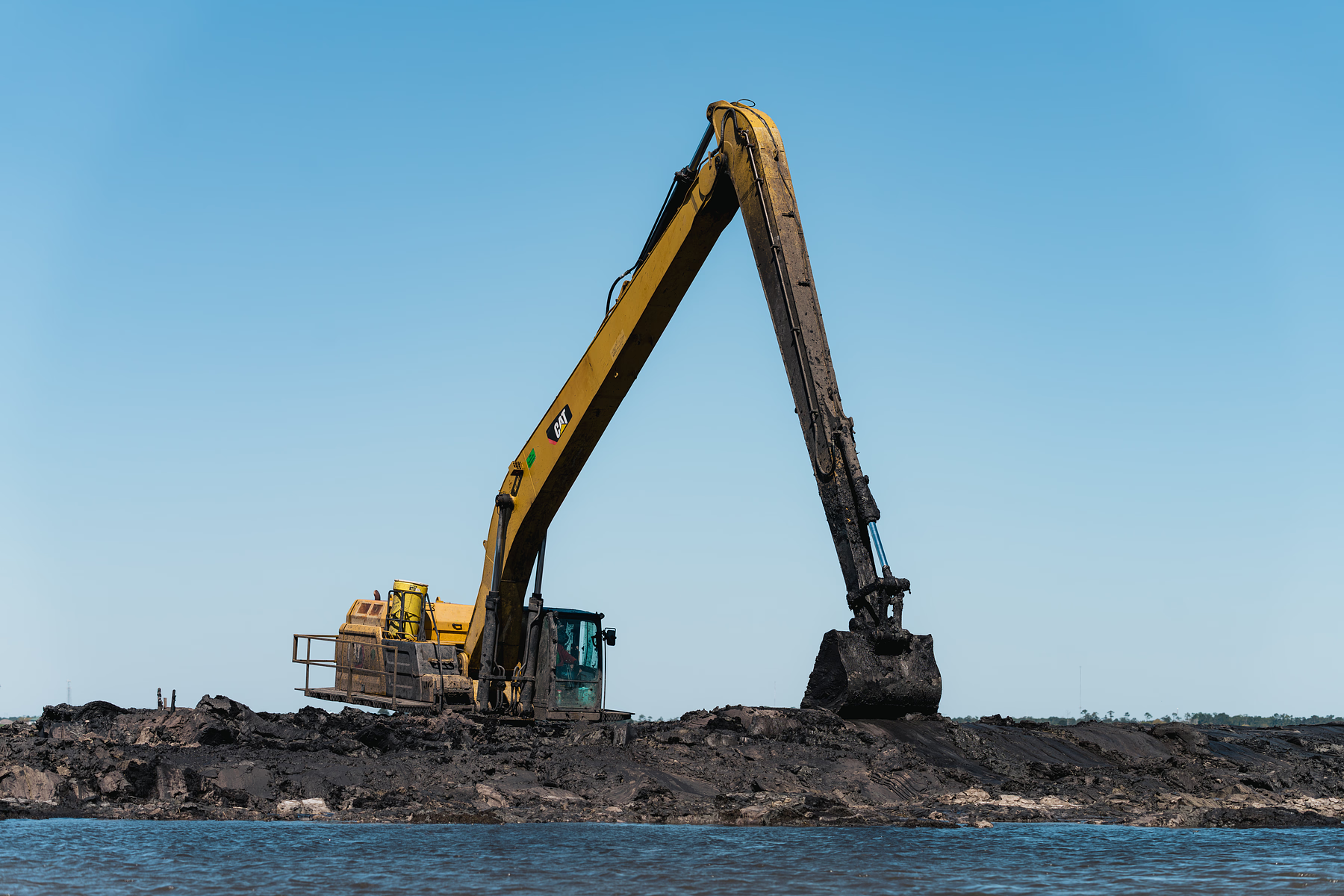
Choosing the right amphibious equipment directly affects your project budget, timelines, and overall success. For budget conscious buyers and project managers, the decision often comes down to one important question.
Should you choose amphibious equipment rental, or should you buy a marsh buggy outright? Both options offer clear advantages, but the right choice depends on cost, project duration, and logistics.
This guide breaks each factor down in a simple, practical way so you can make a confident and informed decision.
Understanding Amphibious Equipment for Marsh and Wetland Projects
What Is Amphibious Equipment and How Does It Work?
Amphibious equipment is designed to operate on land, soft ground, and water. These machines use pontoons or wide tracks to distribute weight evenly, which prevents sinking in marshes, wetlands, and shallow water environments.
Marsh buggies are among the most widely used types of amphibious equipment. They can support attachments such as excavators, mulchers, and dredging tools, making them essential for projects where standard machinery cannot operate safely.
Common Uses of Marsh Buggies and Amphibious Machinery
Amphibious equipment supports a wide range of industries. Common applications include wetland restoration, pipeline installation, dredging support, and environmental cleanup.
They are also used for utility maintenance, shoreline stabilization, and flood control projects. Because these machines are highly specialized, deciding whether to rent or buy requires careful consideration.
Amphibious Equipment Rental: When Renting Makes More Sense
Lower Upfront Costs and Budget Flexibility
Amphibious equipment rental requires significantly less upfront investment than purchasing. Buying a marsh buggy involves a major capital expense, while renting helps preserve cash and improve budget control. Rental pricing is predictable and easier to plan for, which reduces financial risk for budget conscious buyers and project managers.
Ideal Project Duration for Renting Equipment
Renting is often the best choice for short term or one time projects. Jobs lasting a few weeks or months typically cost far less with rental equipment than with ownership. Even longer projects may benefit from renting if equipment usage is intermittent rather than continuous, helping avoid paying for idle machinery.
Maintenance, Repairs, and Storage Considerations
When you rent amphibious equipment, maintenance and repairs are usually handled by the rental provider. This reduces downtime and eliminates unexpected repair expenses. Storage is also not your responsibility. Owned marsh buggies require secure storage when not in use, which adds ongoing costs. Renting removes this burden completely.
Logistics and Transport Advantages of Rental Options
Transporting amphibious equipment can be complex and costly. Many rental providers assist with delivery and pickup, saving time and simplifying logistics. Renting also allows you to select the right equipment for each project instead of adapting one machine to every job.
Buying Amphibious Equipment: Long Term Ownership Considerations
Initial Purchase Costs and Financing Factors
Buying amphibious equipment requires a large initial investment. In addition to the purchase price, buyers must consider financing, insurance, and taxes. These costs can strain budgets, especially for smaller teams, making ownership a decision that requires careful financial planning.
Long Term Value and Equipment Cost Analysis
Ownership can provide value when equipment is used frequently over many projects. Over time, the cost per project may decrease compared to repeated rentals. A full equipment cost analysis is essential. Buyers must factor in depreciation, resale value, and the limited resale market for specialized amphibious equipment.
Maintenance, Depreciation, and Downtime Risks
Owners are responsible for all maintenance and repairs. Unexpected breakdowns can delay projects and increase costs. Depreciation reduces equipment value over time, and changes in technology or regulations may require additional upgrades.
When It Makes Sense to Buy a Marsh Buggy
Buying may be the right choice for businesses that consistently work in wetlands or marsh environments. High utilization rates and in house maintenance capabilities can help justify ownership.
Renting vs. Buying Amphibious Equipment: Cost Comparison Breakdown
Short Term vs. Long Term Cost Scenarios
Short term projects almost always favor renting. Long term projects require deeper evaluation to determine whether ownership provides real savings. If equipment is used daily for many years, buying may make sense. Irregular or seasonal use usually favors rental solutions.
Hidden Costs Project Managers Should Consider
Buying equipment includes hidden costs such as storage, transport, maintenance labor, and replacement parts. Downtime can also impact productivity. Renting may include delivery fees or minimum rental periods, which should be reviewed in advance to avoid surprises.
How Equipment Usage Frequency Impacts the Decision
Usage frequency is one of the most important decision factors. Occasional use rarely supports ownership, while frequent and predictable use may. Renting ensures you only pay for equipment when it is actively needed, offering greater flexibility. If you are unsure how often you will need amphibious equipment, contact us to discuss your project schedule and get expert guidance.
Key Decision Factors for Budget Conscious Buyers and Project Managers
Project Scope, Timeline, and Location Challenges
Every marsh or wetland project is different. Terrain conditions, water depth, and access challenges all influence equipment requirements. Renting allows you to match equipment to each project, while buying limits flexibility to what you already own.
Availability of Skilled Operators and Support
Amphibious equipment requires trained operators. Some rental providers offer guidance or operational support that reduces training needs. Owners must handle hiring and training internally, which adds both time and cost.
Flexibility and Scalability for Future Projects
Renting supports business growth and changing workloads. Equipment can be scaled up or down based on project demand. Buying locks you into fixed assets, which may not suit future projects.
Final Thoughts
Renting offers flexibility, lower upfront costs, and reduced responsibility. Buying provides control and potential long term savings for frequent users. The right choice depends on your specific project needs.
Every project presents unique challenges. Evaluating cost, duration, and logistics carefully helps prevent unnecessary expenses and delays.
Ready to Choose the Right Amphibious Equipment?
Choosing between renting and buying affects both cost control and operational efficiency. Expert guidance can help you avoid costly mistakes.
To discuss your project needs or learn more about amphibious equipment rental options, contact Wilco Marsh Buggies today. Our team is ready to help you choose the most practical and cost effective solution.
Frequently Asked Questions About Amphibious Equipment Rental
1. Is amphibious equipment rental cheaper than buying?
In most short term and occasional use scenarios, renting is more affordable than buying.
2. How long should a project be to justify buying a marsh buggy?
Buying typically makes sense only when equipment is used consistently over many years.
3. What maintenance is required for owned amphibious equipment?
Owners are responsible for regular servicing, repairs, and storage.
4. Can rented amphibious equipment handle complex wetland terrain?
Yes. Rental equipment is specifically designed for marsh, swamp, and shallow water conditions.
5. Do rental providers help with transport and logistics?
Many providers assist with delivery and pickup, simplifying logistics for project managers.