

Amphibious Excavator for Wetland Construction
Specialized Solutions from Wilco Marsh Buggies
Wilco Marsh Buggies provides machines designed for wetlands, marshes, swamps, and other soft-terrain environments. Its equipment can be configured with different attachments and boom arrangements to support the requirements of individual projects.
Our Services

Contracting


Leasing

Flexible Rental Terms
Top Features of Our Wetland Construction Equipment
A successful wetland construction project requires more than excavation power. The equipment must reach the work area, maintain stability on soft terrain, and perform the required construction tasks without relying on conventional access conditions.
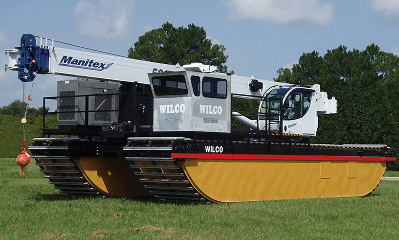
Specialized Access Across Soft Terrain
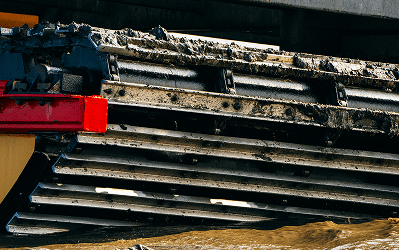
Amphibious excavators use specialized flotation pontoons and undercarriage systems that distribute the machine’s weight over a broader footprint. This allows the equipment to move across terrain that may not provide sufficient support for conventional machinery. For contractors using an amphibious excavator for wetlands, this access can open up areas that would otherwise require substantial temporary ground preparation.
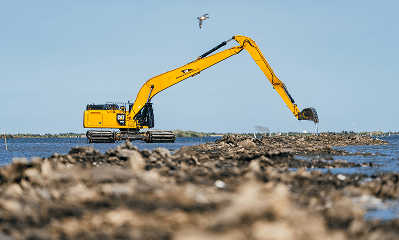
Flotation for Wet & Saturated Areas
An amphibious excavator is designed around these conditions. Its pontoon-style undercarriage provides flotation and support while allowing the excavator to perform work from a specialized platform. Our current equipment information describes amphibious excavators as machines built for water, mud, silt, marshland, and other unstable environments.
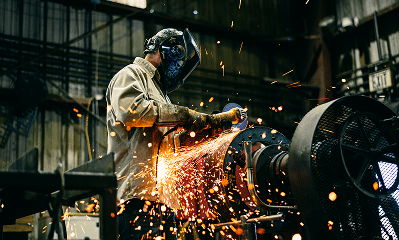
Long-Reach Excavation Capability
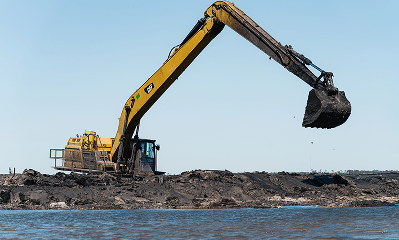
A long-reach configuration can allow operators to excavate, move material, clear vegetation, or perform other work from a more suitable operating position. The appropriate boom and arm configuration depends on the required reach, working conditions, and project scope. This capability can make an amphibious excavator for wetlands useful for projects where access and working distance are major considerations.
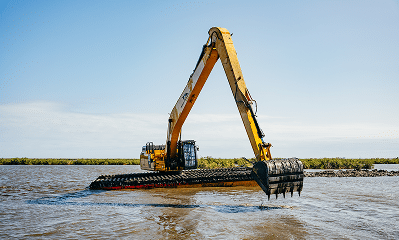
Versatile Attachments
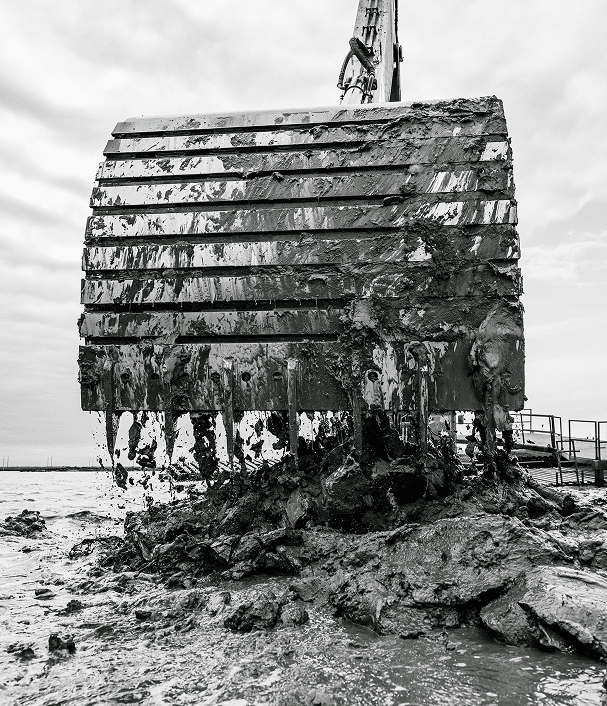
Wetland construction projects can involve several different tasks, and a single attachment may not suit every phase of the work. Depending on the project, amphibious excavators can be equipped with tools such as buckets, grapples, rakes, dredging buckets, vegetation-cutting equipment, or other hydraulic attachments.
Stable Working Platform
Soft ground creates different operating conditions from conventional construction sites. The machine needs a suitable support platform before excavation, lifting, or material-handling activities begin. The wide footprint of amphibious pontoons helps distribute machine weight and provides a stable base for operation. Site conditions still need to be evaluated carefully, particularly when the machine works near slopes, deeper water, unstable banks, or changing ground conditions.

Customizable Equipment Configurations
No two wetland construction sites are exactly alike. A project may require greater reach, specific attachments, additional flotation, or a particular equipment configuration based on the terrain and intended work. Custom equipment can help address these requirements. We state that it custom designs amphibious equipment to fit specific project needs and maintains a large inventory covering marsh buggies, cargo carriers, and long-arm amphibious excavators.
This gives contractors more flexibility when a standard excavator configuration does not adequately match the job.
Complete Amphibious Equipment Solutions for Wetland Construction
Specialized amphibious equipment for wetlands can provide access to soft terrain while supporting excavation and construction tasks that would otherwise be difficult to perform from conventional ground.

Drainage & Channel Construction
Drainage channels and related water-management structures can require excavation in areas where waterlogged soil makes equipment access difficult. An appropriately configured amphibious excavator can support channel excavation and material movement while operating from soft or wet terrain. The machine and attachment should be selected according to the required reach, excavation profile, material, and site conditions.

Shoreline, Bank & Embankment Work
Construction near water often requires crews to work from unstable banks or saturated ground. Shoreline stabilization, bank preparation, levee construction, and embankment-related work can therefore require equipment capable of maintaining access in challenging conditions. Amphibious excavators can support excavation and material-handling activities in these environments, with the specific configuration determined by the project requirements.

Material Handling & Placement
Wetland construction may require crews to excavate, move, place, or clear materials within areas that are difficult to reach with standard equipment. An excavator equipped with a suitable bucket or grapple can help move material while remaining positioned on a more stable section of the work area. Long-reach configurations can further increase the working area available from a single machine position.

Environmental & Habitat Construction Projects
Some wetland projects involve restoration or habitat-related construction rather than conventional building activities. These projects may require selective excavation, sediment or vegetation management, channel modifications, or other site work. Amphibious machinery is already used for wetland restoration, environmental remediation, dredging, and related applications.

Rental, Leasing & Purchase Options
Project duration and equipment requirements can vary significantly. A contractor completing one wetland construction phase may prefer a rental, while a company handling recurring soft-terrain projects may consider leasing or purchasing. Flexible equipment arrangements can help contractors access specialized machinery according to their workload. The appropriate option depends on project duration, expected equipment use, future requirements, and the scope of the work.
How to Get an Amphibious Excavator for Wetland Construction
The following six-step process provides a practical starting point for planning a wetland construction equipment solution.
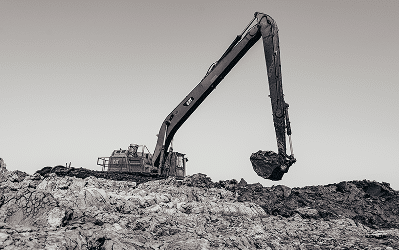
Discuss Your Construction Requirements
Start by defining the work that needs to be completed. Explain whether the project involves site preparation, channel excavation, drainage, shoreline work, levee construction, material handling, restoration, or another application.
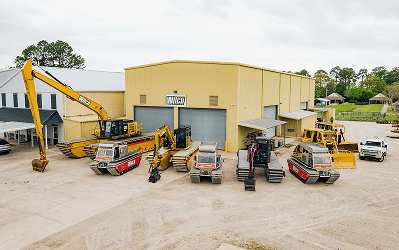
Evaluate Wetland & Marshland Conditions
Next, assess the site itself. Consider soil softness, water conditions, slopes, vegetation, access points, working depth, and the areas where equipment must operate. These factors help determine whether an amphibious platform is appropriate and what equipment configuration can support the planned work.
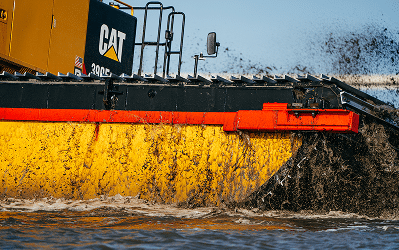
Determine Reach & Attachment Requirements
Different construction activities require different working tools. Excavation may require a particular bucket, while vegetation clearing, material handling, or debris removal may require another attachment. Reach also matters when the machine cannot reposition easily because of soft ground or water.
Select Rental, Leasing, or Purchase
Determine how long the equipment will be needed and how frequently it will be used. Short-term construction phases may suit rental, while extended or recurring projects may justify leasing or purchasing. The decision should consider project timelines, expected utilization, equipment requirements, and future workload.
Coordinate Mobilization & Site Access
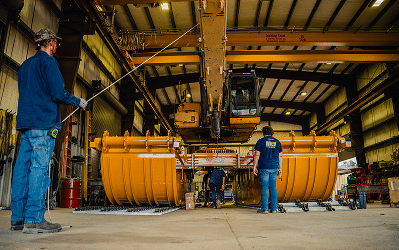
Before equipment arrives, plan the transportation route, staging area, entry point, and worksite preparation. Confirm that the selected machine can reach the intended operating area and that the project team understands the deployment requirements.
Deploy Equipment & Begin Construction
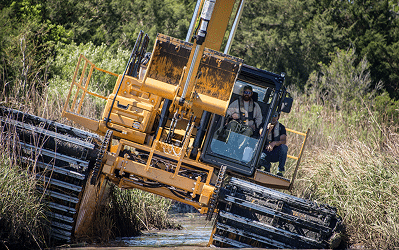
After delivery and site preparation, the equipment can be deployed according to the project plan and applicable safety requirements.
With the appropriate configuration, an amphibious excavator for wetland construction can provide excavation and material-handling capabilities while operating across soft, saturated, or shallow-water terrain.
Why Choose Us?
Wetland construction requires equipment specifically suited to conditions that can limit conventional machinery. Contractors benefit from working with our provider that understands amphibious equipment and the practical challenges of soft-terrain projects.
- Specialized Amphibious Equipment: Equipment is designed around wetlands, marshes, swamps, soft soils, and other difficult access conditions.
- Custom Equipment Design: Project-specific configurations can address unusual access, reach, flotation, or attachment requirements.
- Extensive Equipment Selection: The equipment range includes amphibious excavators, long-arm machines, marsh buggies, cargo carriers, and other specialty equipment.
- Flexible Equipment Options: Rental, leasing, contracting, and purchase solutions can accommodate different project requirements.
- Industry Experience: Decades of experience with amphibious machinery provide a strong foundation for projects involving wetlands, marshes, soft terrain, and water-access construction.
For contractors planning wetland construction, choosing equipment around the actual site conditions can make a significant difference. The right amphibious excavator for wetlands can provide access and excavation capability where conventional equipment may not be suitable.
Frequently Asked Questions
How does an amphibious excavator differ from a standard excavator?
A standard excavator relies on conventional tracks and generally requires suitable load-bearing ground. An amphibious excavator uses a specialized pontoon-style undercarriage that distributes its weight and provides flotation, allowing it to work across softer terrain and suitable shallow-water environments.
What attachments can be used with amphibious excavators?
The appropriate attachment depends on the work. Options can include buckets, grapples, rakes, dredging buckets, vegetation-cutting tools, and other hydraulic attachments. The selected tool should match the material and task involved.
When would I need a swamp excavator for wetlands?
A swamp excavator for wetlands can be useful when construction or excavation takes place on soft, saturated, marshy, or waterlogged ground where conventional equipment may struggle to maintain access or stability.
Can amphibious equipment be used for drainage construction?
Yes. Depending on the machine configuration and site conditions, amphibious equipment for wetlands can support drainage and channel excavation. The appropriate machine should be selected according to the required reach, excavation profile, material, and operating conditions.
Can an amphibious excavator support shoreline or levee construction?
Amphibious excavators can support selected excavation and material-handling tasks associated with shoreline, bank, levee, and embankment projects. The suitability of the equipment depends on the project’s design, ground conditions, required reach, and material-handling requirements.
Should I rent or purchase an amphibious excavator for a wetland project?
The right option depends on project duration and expected equipment use. Rental can suit a defined or short-term project, while leasing or purchasing may be more appropriate for contractors with extended or recurring amphibious work.
How do I choose the right amphibious equipment for wetlands?
Start by evaluating the soil, water conditions, access, required reach, construction task, attachments, working area, and project duration. These factors help determine the appropriate machine size and configuration for the project.