

Amphibious Excavator for Salt Marsh Restoration
Specialized Salt Marsh Restoration Solutions from Wilco Marsh Buggies
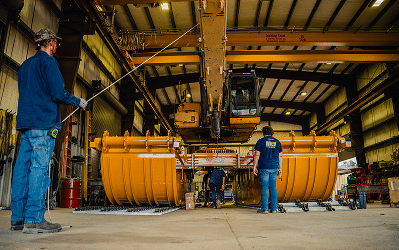
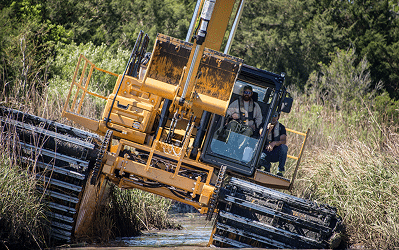
Wilco Marsh Buggies provides specialized amphibious equipment for projects where conventional machinery may not provide access to or mobility required. An amphibious excavator for salt marsh restoration uses a specialized pontoon-style undercarriage that distributes machine weight across a wider footprint.
Our Services

Contracting


Leasing

Flexible Rental Terms
Key Features of Our Amphibious Salt Marsh Equipment
Salt marsh restoration can involve challenging ground conditions and multiple types of work. Equipment selection should account for the terrain, water conditions, required reach, attachments, project duration, and restoration activities involved.
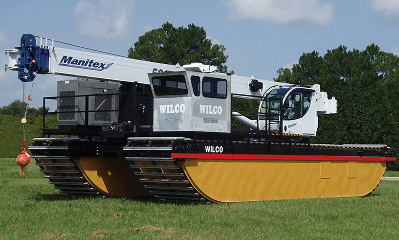
Low Ground Pressure
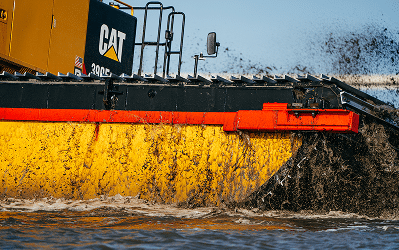
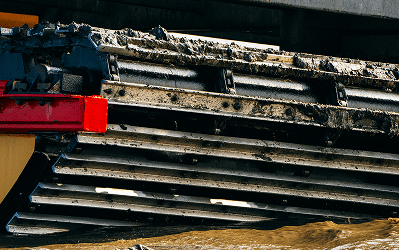
Salt marshes commonly contain saturated soil, mud, and other ground conditions that provide limited support for conventional heavy equipment. Amphibious excavators use broad pontoon-style structures to distribute the machine’s weight across a larger surface area.
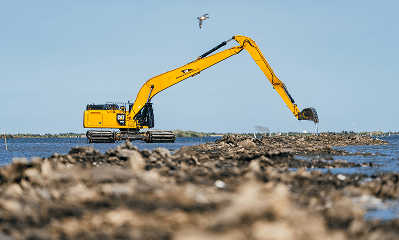
Mobility Across Soft Terrain
A marsh buggy for salt marsh restoration can help crews access suitable work areas without depending entirely on conventional roads or firm ground. The exact operating capability depends on the machine configuration and site conditions.

Excavation and Sediment Handling
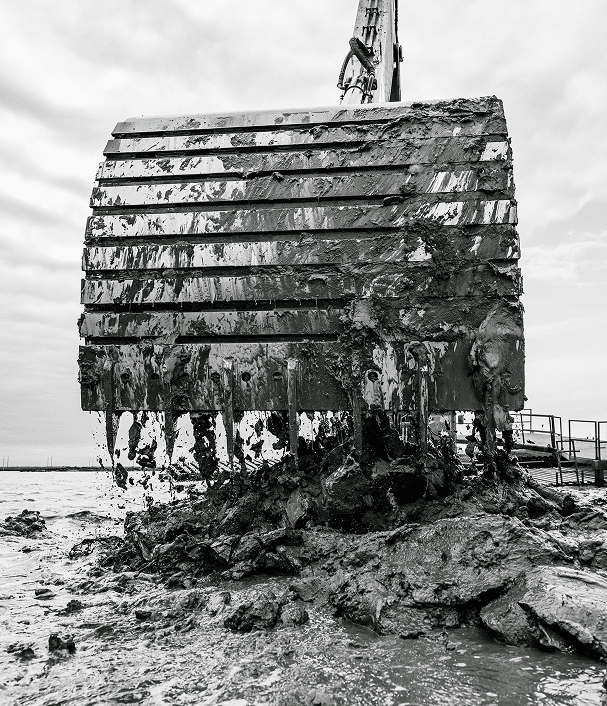
Sediment accumulation can affect marsh channels, drainage patterns, and water movement. When a restoration plan requires sediment excavation or removal, contractors need machinery that can reach the work area and handle the material effectively.
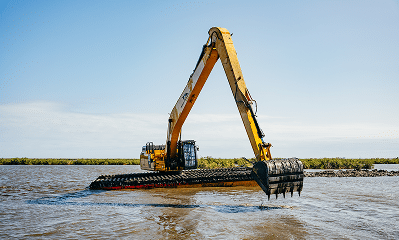
Attachment Flexibility
Depending on the machine, amphibious excavators can use attachments such as buckets, dredging buckets, grapples, rakes, and other hydraulic tools. This flexibility makes amphibious equipment for marsh restoration useful for projects involving several different restoration tasks.
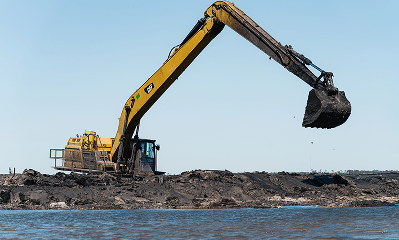
Stable Working Platform
Operating heavy machinery on soft marsh terrain requires careful attention to equipment stability. The broad pontoon configuration provides a larger support area than conventional excavator tracks, helping create a suitable platform for work in soft and saturated conditions.

Long-Reach Configurations
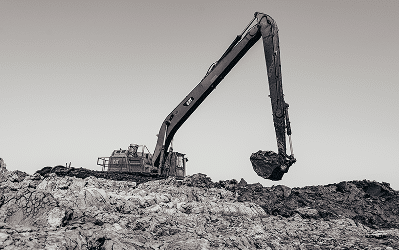
Some salt marsh restoration activities require crews to work beyond the immediate position of the machine. Long-reach excavator configurations can extend the machine’s working area and help crews reach locations that may otherwise require frequent repositioning.
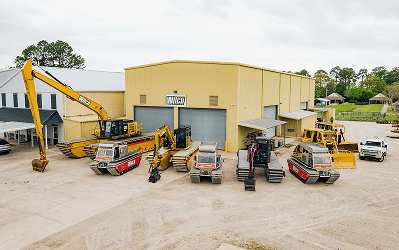
A marsh buggy for salt marsh projects can be configured with different reach and attachment options depending on the work scope, terrain, and operational requirements. We offer equipment ranging from marsh buggies to long-arm amphibious excavators and custom solutions.
How Amphibious Equipment Helps with Salt Marsh Restoration
Restoring a salt marsh involves more than simply accessing wet terrain. Contractors must carry out specific physical work according to the restoration plan while dealing with soft soil, standing water, sediment, vegetation, and restricted access. Specialized equipment can help crews perform these tasks from appropriate working positions.

Access to Difficult Restoration Areas
Many salt marsh restoration sites contain areas that conventional equipment cannot easily reach. Soft soils, standing water, mud, and limited access routes can prevent standard excavators from reaching the required work zone.

Support for Sediment Removal
Sediment can accumulate in channels and other portions of a marsh, changing water movement and affecting the intended function of the restoration area. Where the approved project plan calls for sediment removal, amphibious excavation equipment can help crews reach and remove material from difficult locations.

Channel and Shoreline Work
Salt marsh restoration may include channel excavation, shoreline shaping, drainage improvements, or other earthwork. These activities often require equipment with sufficient reach and the ability to operate close to water.

Vegetation Management
Vegetation management can form part of certain marsh restoration projects. Crews may need to remove selected vegetation, clear overgrowth, or prepare specific areas for planned restoration work.

Flexible Access for Wetland Projects
Temporary access roads or other ground-support measures can add logistical requirements to a restoration project. When site conditions allow, amphibious equipment can move across suitable soft terrain and shallow water without relying solely on conventional ground access.
Our Process
Every restoration site has different soil, water, access, reach, and equipment requirements. Wilco Marsh Buggies works with project teams to understand these conditions and identify an amphibious equipment solution suited to the planned work.
Discuss Your Restoration Project
Begin by providing details about the restoration project, including the site environment, planned activities, project timeline, access limitations, water conditions, and equipment requirements.
Evaluate Site Requirements
The next step involves reviewing the operating environment. Soil conditions, water depth, working area, required reach, material type, attachment needs, and equipment capacity can all affect the selection process.
Select the Right Equipment
Once the project requirements are understood, the appropriate equipment can be identified. An amphibious excavator for salt marsh restoration may be suitable for excavation and sediment work, while additional attachments or configurations can support other restoration activities.
Arrange Rental, Leasing, or Purchase
Project duration and equipment requirements can determine whether rental, leasing, or purchase makes the most practical sense. Contractors working on a defined restoration project can also consider amphibious excavator rental for wetland restoration when they need specialized equipment without purchasing a machine outright.
Coordinate Delivery and Site Preparation
After equipment selection, transportation and site logistics can be coordinated. This includes planning the delivery route, staging area, access point, and other requirements needed to position the machinery at the project site.
Deploy the Equipment
Once the equipment reaches the site and the necessary preparations are complete, crews can deploy it for the planned restoration activities. Depending on the project, this may include sediment excavation, channel work, vegetation management, shoreline work, material handling, or other approved tasks.
Proper processes can help begin operations according to the restoration plan.
Why Choose Wilco Marsh Buggies?
Salt marsh restoration requires equipment that can handle difficult terrain while providing the reach and versatility needed for different restoration activities.
- Specialized Amphibious Expertise: Our equipment is designed for wetlands, marshes, swamps, and other soft-terrain environments where conventional machinery may face access limitations.
- Versatile Equipment Solutions: Amphibious excavators can support excavation, sediment handling, vegetation management, dredging, shoreline work, and other restoration applications when properly configured.
- Custom Configuration Options: Equipment can be configured with different attachments, reach options, and other specifications to address individual project requirements. Custom amphibious equipment is also available for specialized applications.
- Flexible Equipment Access: Rental and leasing options allow contractors to access specialized machinery according to project duration and equipment needs. This includes solutions for amphibious excavator rental for wetland restoration projects.
- Decades of Industry Experience: With more than four decades of experience developing soft-terrain amphibious vehicles, the team brings specialized knowledge to challenging wetland and marsh applications.
When restoration work takes place in soft, saturated, or difficult-to-access environments, selecting the right equipment can help crews approach the project with greater operational flexibility. Wilco Marsh Buggies provides specialized amphibious solutions for contractors working across wetlands and marsh environments throughout the United States.
Frequently Asked Questions
How does an amphibious excavator help with salt marsh restoration?
An amphibious excavator salt marsh solution can support activities such as sediment removal, excavation, channel work, vegetation management, shoreline work, and material handling. The exact application depends on the restoration plan, equipment configuration, and site conditions.
Can I use a marsh buggy for salt marsh projects?
Yes. A marsh buggy for salt marsh projects can provide access across suitable soft and saturated terrain where conventional excavators may struggle. Contractors should evaluate water depth, soil conditions, equipment capacity, and the planned work before deployment.
What types of projects use amphibious equipment for marsh restoration?
Amphibious equipment for marsh restoration can support wetland rehabilitation, sediment removal, habitat restoration, erosion control, vegetation management, shoreline work, and related environmental projects. Different attachments can help the equipment perform different tasks.
Can an amphibious excavator remove sediment from a salt marsh?
Yes, when the project calls for sediment removal and the site conditions support the selected machine. An amphibious excavator for salt marsh restoration can provide excavation and material-handling capabilities in suitable wetland environments.
Can amphibious equipment be used for vegetation management?
Amphibious excavators can support certain vegetation management activities when equipped with an appropriate attachment. An amphibious excavator salt marsh configuration can help crews access areas where soft terrain makes conventional equipment difficult to use.
What attachments are available for salt marsh restoration?
Depending on the equipment and application, attachments may include excavation buckets, dredging buckets, grapples, rakes, and other hydraulic tools. Contractors should select attachments based on the material, vegetation, sediment, and restoration activities involved.
Is a long-reach amphibious excavator useful for marsh restoration?
A long-reach configuration can help crews work farther from the machine’s position. This can be useful for channel excavation, shoreline work, sediment handling, and other tasks where repositioning the machine frequently may be difficult.