

Amphibious Excavator for Island Construction
Specialized Island Construction Solutions from Wilco Marsh Buggies
When construction crews need to build or expand islands in shallow water, marshes, wetlands, soft soil, or other unstable environments, conventional excavators may struggle to reach and operate effectively in the work zone. Wilco Marsh Buggies provides specialized amphibious machinery that helps contractors perform excavation, material handling, grading, shoreline shaping, and other island construction activities in challenging terrain.
Our Services

Contracting


Leasing

Flexible Rental Terms
Key Features of Our Amphibious Island Construction Equipment
Our equipment is designed for demanding island-building projects where access, stability, reach, and material handling are critical. The right configuration depends on the project layout, soil conditions, water depth, material requirements, and tasks the equipment must perform.
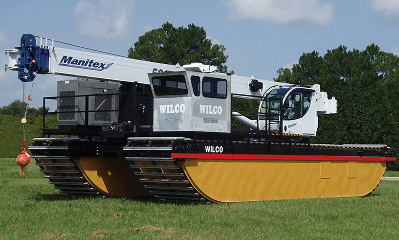
Low Ground Pressure
Island construction can involve soft soil, mud, silt, and saturated ground that may not support conventional tracked machinery. Amphibious equipment distributes its weight across large pontoons, helping reduce concentrated ground pressure. This design can allow an amphibious excavator island building solution to reach areas where conventional equipment may become stuck or require extensive ground preparation.
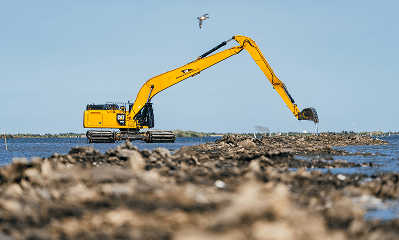
Operation Across Difficult Terrain
Island construction often requires crews to move between dry ground, soft terrain, marshland, and shallow water. An amphibious excavator is designed to work across suitable wet and unstable environments while retaining the excavation capabilities of a specialized excavator.
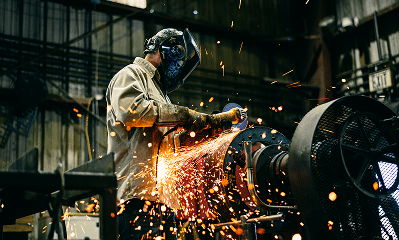
Material Placement and Island Formation
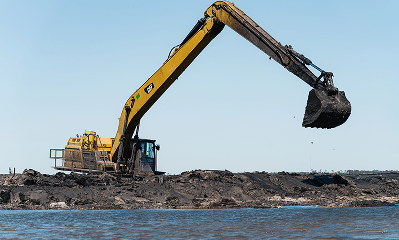
An amphibious excavator for island construction can provide the reach and positioning needed for excavation and material-handling activities in difficult access areas. Long-reach configurations can further extend the working area when crews need to work farther from the machine’s position.
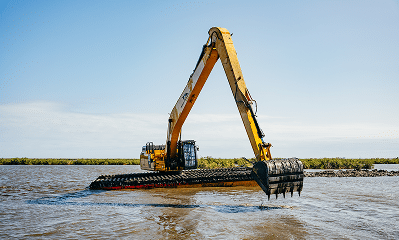
Stable Working Platform
Soft and waterlogged terrain can make equipment stability a major consideration. Amphibious configurations use broad pontoons to create a stable operating platform for excavation and related construction activities.
Attachment Flexibility
Island construction projects can involve different materials and tasks. Contractors may need excavation buckets for earthwork, dredging buckets for wet material, or grapples and other tools for clearing and material handling.

Built for Challenging Conditions
An amphibious excavator island building solution gives contractors an equipment option specifically designed for projects where conventional machinery may have difficulty maintaining access. Custom configurations can also address specific terrain, workload, attachment, and operational requirements.
Specialized equipment can help crews reach work zones that may otherwise require extensive temporary access preparation or alternative construction methods.
How Amphibious Equipment Helps with Island Construction
Island-building projects can involve more than simply moving soil from one location to another. Crews may need to work around water, unstable ground, changing elevations, restricted access, and large material placement areas. The right amphibious equipment can help contractors manage these challenges while keeping excavation and earthwork operations moving across suitable wet and soft terrain.

Reach More of the Work Area
An amphibious excavator can help contractors access sections of an island construction site that may be difficult to reach from firm ground. Its ability to operate across suitable soft terrain and shallow-water environments gives crews more flexibility when the work zone extends beyond conventional equipment access.

Simplify Material Handling
Island development often requires moving and positioning soil, sediment, aggregate, or other approved fill materials. With the right bucket or attachment, amphibious machinery can support material handling activities across different portions of the project. This can be particularly useful when crews need to place or redistribute material around areas that are difficult for conventional hauling and excavation equipment to reach.

Shape Shorelines and Landforms
Once material is placed, contractors may need to shape slopes, edges, channels, or other portions of the developing island. Excavation equipment with suitable reach and attachments can support grading and shaping work as the project progresses. This makes amphibious excavator island building useful for projects where shoreline and landform work must take place close to water or on soft ground.

Reduce Dependence on Firm Access
Building temporary access routes for heavy machinery can add planning requirements to a project. In suitable conditions, amphibious equipment can operate directly across soft terrain, reducing the need to rely solely on conventional ground access. For marsh buggy island construction, this capability can give contractors another way to reach portions of the site without treating every soft area as a conventional equipment roadway.

Adapt to Changing Construction Tasks
Island projects can change as work progresses. Excavation may be followed by material placement, grading, clearing, shoreline shaping, or other related activities. Equipment that can accept different attachments gives crews greater flexibility as these requirements change. This versatility allows amphibious equipment for island construction to support multiple stages of earthwork rather than being limited to one specific task.
Our Process
Our straightforward process helps contractors identify, secure, and deploy amphibious equipment for challenging island construction conditions.
Discuss Your Project
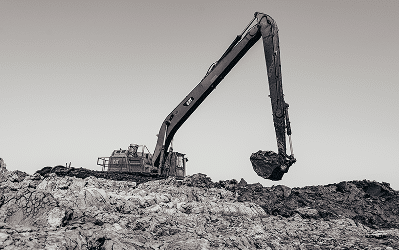
Start by providing information about your island construction project. Tell us about the terrain, water conditions, access limitations, material requirements, expected project duration, and the work you need the equipment to perform.
Evaluate Site Requirements
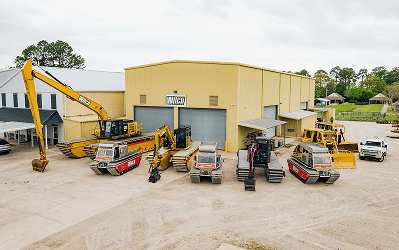
We consider the operating environment to help determine what type of amphibious machinery and configuration may be appropriate. Soil conditions, water depth, required reach, working area, material type, and access routes can all influence equipment selection.
Select the Right Equipment
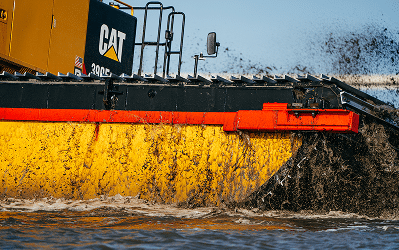
Our specialists can help identify an appropriate machine based on your project objectives. Whether you need an amphibious excavator for island construction, specialized attachments, long-reach capability, or another amphibious equipment solution, the focus remains on matching the equipment to the application.
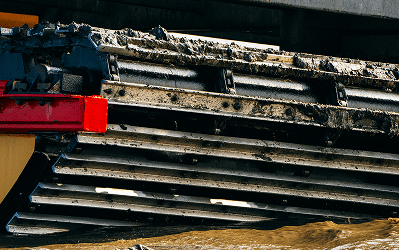
Arrange Rental, Leasing, or Purchase
Depending on your project requirements, you may choose rental, leasing, or purchase options. Flexible equipment access allows contractors to select an approach that fits their project duration, equipment requirements, and operational plans.
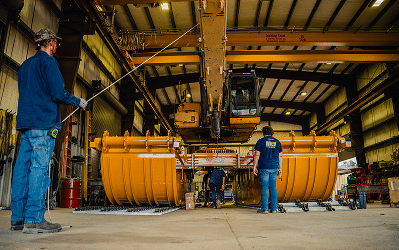
Coordinate Delivery and Site Preparation
Before deployment, transportation, access planning, staging, and site preparation requirements need to be addressed. Proper planning helps ensure the equipment can reach the project area and be positioned safely for the planned work.
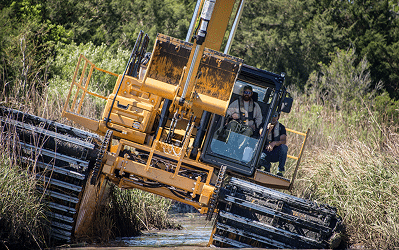
Deploy the Equipment
Once the equipment solution is finalized, transportation and deployment can be coordinated for the project site. Proper preparation allows crews to begin excavation, material placement, grading, shoreline work, or other planned activities with equipment suited to the terrain.
From initial planning through deployment, our team helps simplify equipment decisions and support efficient island construction operations.
Why Choose Us?
Choosing specialized equipment requires more than simply selecting a machine. Contractors need equipment that matches their terrain, construction application, project schedule, reach requirements, and operating conditions.
- Specialized Amphibious Expertise: We focus on amphibious machinery designed for demanding soft-ground, wetland, marsh, and shallow-water environments.
- Versatile Equipment Solutions: Our equipment can support excavation, material handling, grading, shoreline shaping, clearing, and other island construction applications.
- Custom Configuration Options: We can help identify configurations, attachments, and equipment specifications that align with specific project requirements. The company also provides custom equipment designed around individual operating needs.
- Flexible Equipment Access: Contractors can explore rental, leasing, and purchase options based on their project duration and equipment requirements.
- Decades of Industry Experience: With more than four decades of experience developing soft-terrain amphibious vehicles, the team brings specialized knowledge to projects involving difficult access and unstable terrain.
For contractors dealing with shallow water, soft ground, marshes, or difficult access during island development, the right equipment can make a significant difference. An amphibious excavator for island construction can provide the mobility, reach, and versatility needed to access challenging work zones while supporting excavation and material-handling activities.
Frequently Asked Questions
How does an amphibious excavator support island building?
An amphibious excavator island building solution can support several stages of a project, including excavation, material handling, grading, shoreline shaping, vegetation clearing, and other related earthwork. The exact application depends on the site conditions, equipment configuration, attachments, and project requirements.
Can a marsh buggy be used for island construction?
Yes. Marsh buggy island construction can be suitable for projects involving soft ground, marshes, wetlands, and certain shallow-water work areas. The amphibious undercarriage helps the machine move across challenging terrain while providing a platform for excavation and material-handling tasks.
What types of island construction projects can use amphibious equipment?
Amphibious equipment for island construction can be considered for projects involving island development, expansion, shoreline work, wetland construction, restoration, and related excavation activities. Contractors should evaluate the specific site conditions and planned work before selecting equipment.
Can an amphibious excavator move through shallow water?
Amphibious excavators are designed to operate in water and on saturated ground, with specialized pontoons providing flotation. However, suitability depends on the machine’s configuration and actual site conditions, including water depth, terrain, load requirements, and operating conditions.
What attachments can be used for island construction?
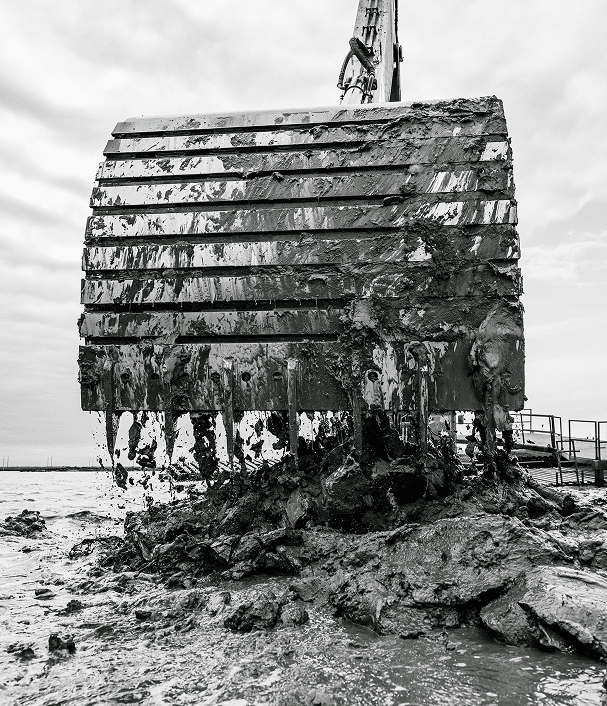
Depending on the machine and project requirements, amphibious excavators can be equipped with attachments such as standard buckets, dredging buckets, grapples, rakes, and other hydraulic tools. The appropriate attachment depends on whether the project involves excavation, dredging, clearing, material handling, or another task.
Is a long-reach amphibious excavator useful for island building?
A long-reach configuration can be useful when excavation or material handling needs to take place farther from the machine’s position. This can help crews work across wider areas while limiting the need to reposition the equipment as frequently. Wilco offers both standard and long-reach excavator configurations.
Can amphibious equipment be customized for an island construction project?
Yes. Customization can be considered when a project has specific requirements involving equipment dimensions, configuration, attachments, reach, buoyancy, or traction. The right setup depends on the project’s terrain, work scope, and operating requirements.