

Our Services

Contracting


Leasing

Flexible Rental Terms
Applications for Amphibious Excavator in New Jersey
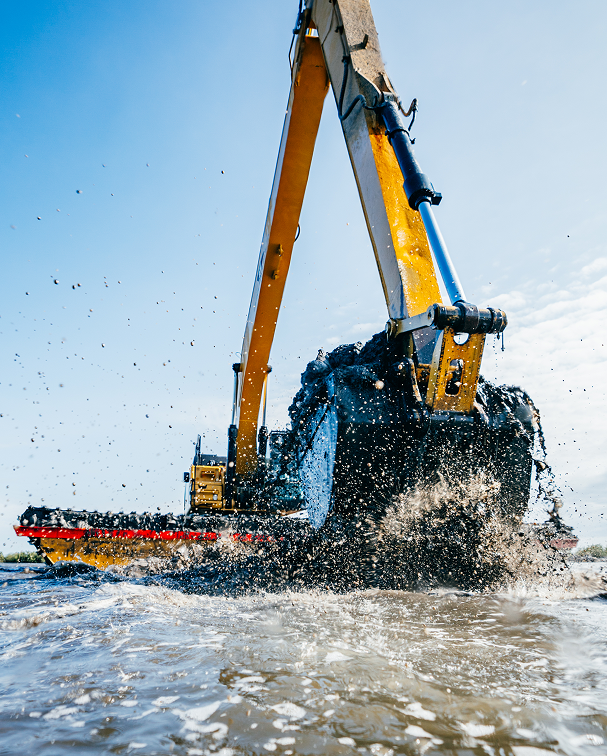
The type of work performed in wet environments varies widely. Coastal restoration, waterway maintenance, drainage improvements, and infrastructure projects can all present different access and equipment requirements. An amphibious excavator can provide an alternative when unstable ground or shallow water makes conventional equipment positioning difficult.
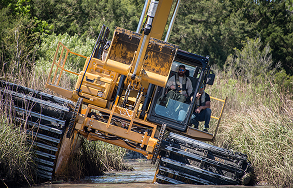
Tidal Marsh Restoration
Restoration work may involve excavation, vegetation management, grading, or material placement across saturated marsh areas. Specialized equipment can help crews reach suitable work zones without relying entirely on firm ground access.
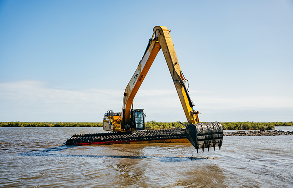
Freshwater Wetland Projects
Freshwater wetlands can remain saturated during certain seasons or after storm events. Amphibious machinery can support appropriate excavation and maintenance work where ground conditions restrict conventional equipment.
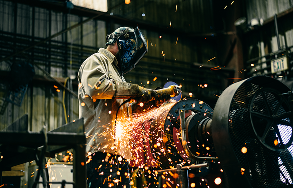
Floodplain and River Work
Flood hazard areas and riparian corridors can present unstable ground, changing water levels, and limited working space. Equipment designed for soft terrain can provide another option for suitable excavation projects.
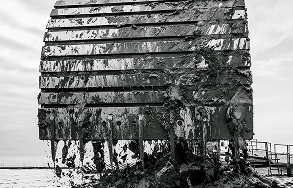
Dredging and Sediment Removal
Channels, ponds, and waterways may require sediment removal where access from stable ground is limited. Machine reach and configuration can be selected around the material and working conditions.
Drainage and Stormwater Projects
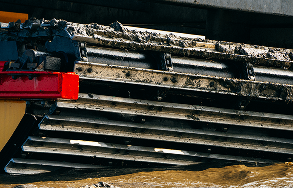
Maintenance around drainage features and stormwater basins can involve wet soils and restricted access. Specialized machinery may provide greater flexibility for excavation and material-handling tasks.
Utility and Infrastructure Work
Utility corridors and infrastructure projects can cross wetlands, flood-prone areas, and other restricted sites. Amphibious equipment can support appropriate excavation where conventional machinery faces access limitations.
These applications show how specialized equipment can help contractors address difficult ground conditions across a range of projects.
Equipment Considerations for Wet-Terrain Work
An equipment decision should reflect the physical characteristics of the project rather than simply the size of the excavator. Several factors can influence which amphibious configuration fits the work.

Ground Support Requirements
Soil saturation, mud depth, and bearing conditions affect how equipment can travel and position itself. A flotation-oriented undercarriage can provide a broader support footprint for suitable soft-ground applications.

Water and Tidal Conditions
New Jersey’s coastal wetlands are influenced by tidal cycles, while inland projects can encounter changing water levels after precipitation or flooding. These conditions should be considered when establishing operating requirements.

Working Reach
The required distance between the machine and work area can influence boom and arm configuration. Projects involving channels, banks, or water-adjacent excavation may require greater reach than work performed directly beneath the machine.

Material Characteristics
Sediment, wet soil, vegetation, debris, and other materials can create different handling requirements. Identifying the material before equipment selection helps establish the appropriate machine and attachment combination.

Mobilization Constraints
Road access, staging space, launch locations, transportation routes, and worksite restrictions should be reviewed before delivery. Early planning can help avoid complications when specialized machinery reaches the project area.
Planning Your Amphibious Excavator Rental in New Jersey
A project-specific evaluation helps connect equipment capabilities with actual field conditions. We offer contracting, leasing, and rental arrangements for specialized equipment.
Establish the Project Requirements
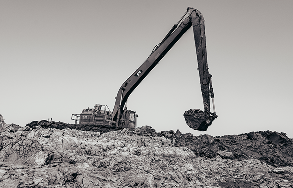
Outline the primary activities, such as wetland excavation, sediment removal, restoration, drainage work, shoreline maintenance, or infrastructure construction.
Characterize the Work Area
Provide details about soil conditions, water presence, terrain, access limitations, working depth, and any other characteristics that could affect equipment operation.

Identify Performance Needs
Determine the required digging reach, material-handling capacity, attachments, and other machine capabilities based on the tasks involved.
Consider Available Configurations
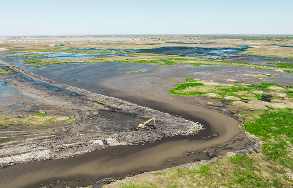
We maintain amphibious excavators, marsh buggies, cargo carriers, and long-arm amphibious equipment. Available machinery can be considered against the project’s specific requirements.
Determine the Equipment Arrangement
Project duration, machine requirements, and scheduling needs can help establish whether rental, leasing, or contracting is the appropriate arrangement.
Coordinate Equipment Delivery
Transportation and site access requirements can be addressed around the selected equipment, staging location, and planned project schedule.
A structured planning process helps contractors identify equipment requirements before specialized machinery is mobilized to the jobsite.
Why Consider Our Amphibious Excavator for Rent in New Jersey?
Working in soft or water-affected terrain requires machinery developed for conditions beyond ordinary excavation. We focus specifically on amphibious and specialized equipment for challenging environments.
- Longstanding Equipment Experience: We have more than 46 years of experience developing equipment for soft-terrain applications.
- Broad Amphibious Equipment Range: Our team maintains an extensive selection that includes marsh buggies, cargo carriers, and long-arm amphibious excavators.
- Purpose-Built Manufacturing: Specialty equipment is hand-built at the company’s Louisiana manufacturing and fabrication facilities.
- Different Equipment Arrangements: Contractors can access equipment through rental, leasing, or contracting options depending on project requirements.
- Custom Equipment Development: We custom design equipment for specific project needs and operating conditions.
The combination of specialized machinery, manufacturing capabilities, and flexible equipment arrangements gives contractors options for challenging worksites.
Frequently Asked Questions
Are amphibious excavators suitable for both tidal and freshwater environments?
Potentially, yes. The appropriate machine depends on water depth, soil conditions, terrain, access, and the specific work being performed. Tidal and freshwater sites should be evaluated separately before selecting equipment.
Can amphibious equipment be used for stormwater basin work?
Suitable amphibious equipment may support excavation or maintenance around stormwater infrastructure when site conditions require specialized access. Project-specific requirements and applicable authorizations should be evaluated beforehand.
What attachments can be paired with an amphibious excavator in New Jersey?
Attachment selection depends on the machine and application. Equipment requirements may differ for dredging, excavation, vegetation management, sediment handling, and other specialized tasks.
What determines whether a project needs an amphibious excavator for rent in New Jersey?
Ground bearing conditions, water depth, terrain, required reach, access limitations, material type, and the tasks planned for the machine all contribute to the equipment decision.
Are rental and leasing options available?
Wilco Marsh Buggies lists contracting, leasing, and rental options for its specialized equipment. The appropriate arrangement depends on the project requirements and equipment needed.
What information should I provide when requesting equipment?
Include the project location, work scope, soil and water conditions, required reach, material type, attachments, expected duration, access limitations, and any relevant site restrictions.
How do I arrange an amphibious excavator rental in New Jersey?
Contact Wilco Marsh Buggies with your project details and equipment requirements. The team can review the application and discuss available machinery and rental arrangements.