

Our Services

Contracting


Leasing

Flexible Rental Terms
Where an Amphibious Excavator in Maryland Fits into Project Planning
The right equipment can make a difference when the work area combines unstable ground with limited access. Contractors may encounter these conditions across environmental, infrastructure, water management, and restoration projects.
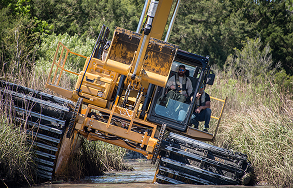
Chesapeake Bay and Coastal Work
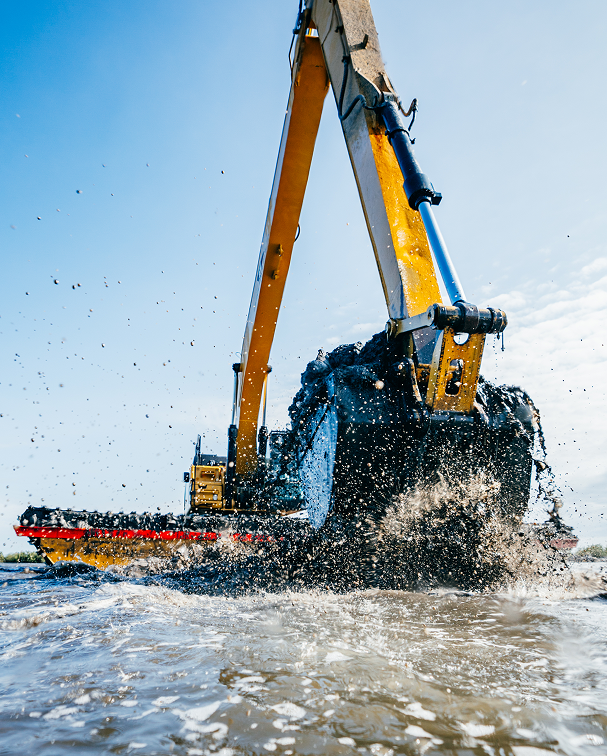
Shoreline projects around the Chesapeake Bay can involve soft sediments, tidal fluctuations, shallow water, and difficult access. Specialized amphibious equipment can provide a practical working platform for projects around these changing conditions.
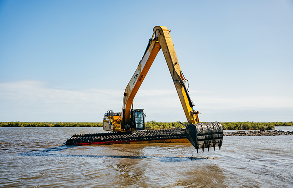
Wetland Restoration
Wetland construction and restoration often require machinery to reach areas where saturated soils make conventional access difficult. An amphibious platform can support excavation and material-handling activities while reducing reliance on temporary access routes.
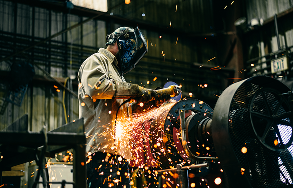
River and Floodplain Projects
Maryland’s rivers and floodplains can experience changing water levels and soft ground conditions. Equipment designed for low-bearing environments can help crews reach work areas along banks, channels, and flood-prone sections.
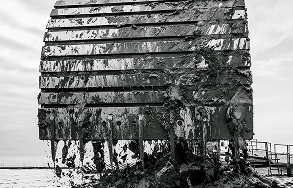
Dredging and Sediment Work
Projects involving accumulated sediment may require excavation equipment capable of operating near or within shallow water. Machine configuration, reach requirements, and attachment selection can be considered around the material and access conditions.
Drainage and Water Management
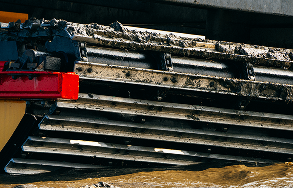
Drainage channels, retention areas, and water-control projects can present restricted access and unstable surfaces. An amphibious machine can provide another equipment option when work must continue close to standing or flowing water.
Utility and Infrastructure Corridors
Utility work may extend through wetlands, low-lying property, or other areas where bringing standard heavy equipment into position presents challenges. Specialized equipment can help address excavation and access requirements within these corridors.
These applications demonstrate how specialized amphibious equipment can support projects where wet ground, water, and restricted access affect conventional equipment operations.
Factors That Shape Your Equipment Requirements
Choosing machinery for a difficult-access project starts with understanding the site rather than simply selecting an excavator by size. Several conditions can influence the appropriate configuration.

Soil Bearing Capacity
Soft or saturated soils can limit conventional equipment access. The condition of the working surface helps determine whether a wider, flotation-oriented platform is appropriate.

Water Depth and Terrain
Water levels, slopes, mud depth, and transitions between dry and submerged ground can change throughout a project. These factors should be considered when establishing operating requirements.

Required Working Reach
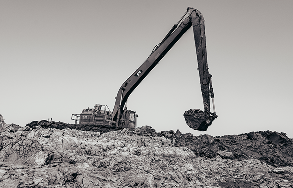
The distance from the equipment position to the excavation area affects machine selection. Long-reach configurations may be useful when the machine needs to work from a stable position without moving directly into the excavation zone.

Material and Attachment Needs
Sediment, vegetation, soil, debris, and other materials may require different attachments or machine configurations. Identifying the material early helps establish a more suitable equipment specification.

Site Access and Mobilization
Road access, launch points, staging areas, and transportation requirements can affect how equipment reaches the project. Planning these details early can reduce complications during mobilization.
Building a Plan for Amphibious Excavator Rental in Maryland
A clear equipment plan connects the machine to the actual demands of the worksite. Rather than treating every project the same, the rental process can account for terrain, operating conditions, machine requirements, and project duration.
Define the Work Scope
Start with the tasks the equipment must perform, including excavation, dredging, vegetation removal, material handling, restoration, or other specialized work.
Document Site Conditions
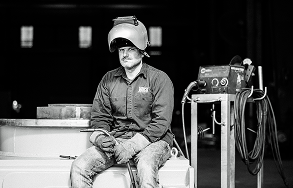
Provide information about soil conditions, water depth, access limitations, slopes, and other characteristics that could influence machine operation.

Establish Reach and Capacity Needs
Determine how far the machine must reach and what type of material it will handle. These details help narrow the equipment configuration.
Review Suitable Equipment
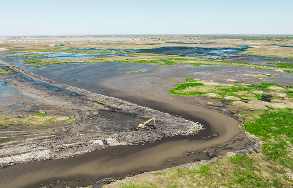
Available amphibious machines can then be considered against the project’s operating requirements rather than selected solely by conventional excavator specifications.
Determine the Equipment Arrangement
Project duration and operational needs can influence whether rental, leasing, or another equipment arrangement makes sense for the work.
Coordinate Transportation
Once the equipment requirements are established, delivery and mobilization details can be planned around the jobsite, access route, and staging conditions.
A detailed project assessment helps connect the machine configuration with the actual challenges expected in the field.
Why Contractors Consider Our Amphibious Excavator in Maryland?
Equipment selection becomes particularly important when conventional machinery cannot easily reach the work zone. We focus on machines developed specifically for soft-ground and water-access applications.
- Longstanding Industry Knowledge: More than 46 years of experience has gone into developing equipment for marshes, wetlands, shorelines, and other challenging environments.
- Specialized Machine Selection: Our equipment range includes amphibious excavators and other specialty vehicles suited to difficult-terrain applications.
- Purpose-Built Undercarriages: Amphibious equipment uses flotation-oriented designs intended to provide access across soft and unstable surfaces.
- Flexible Equipment Options: Rental, leasing, and contracting arrangements provide different ways to obtain specialized machinery based on project requirements.
- Custom Machine Development: Projects with unusual terrain or performance requirements can be evaluated for specialized equipment configurations.
Purpose-built equipment gives contractors another option when site conditions make conventional excavation machinery difficult to position or operate.
Frequently Asked Questions
What information should I provide when requesting equipment?
Project teams should provide the work location, ground conditions, water depth, required digging reach, material type, attachments, project duration, and any transportation or access restrictions.
Do you offer long-reach configurations?
As a reliable provider of an amphibious excavator for rent in Maryland, we offer specialized configurations that can address projects requiring extended working reach, depending on the machine and application requirements.
What affects the cost of an amphibious excavator rental in Maryland?
Pricing can vary according to equipment configuration, rental duration, transportation, attachments, operating conditions, and other requirements associated with the project.
How far in advance should I arrange an amphibious excavator rental in Maryland?
Lead time depends on equipment availability, transportation requirements, machine specifications, and project timing. Providing project details early allows the equipment requirements to be reviewed properly.
How do I request an amphibious excavator in Maryland?
Contact us with your project specifications, site conditions, equipment needs, and expected schedule to discuss suitable amphibious equipment options.
What attachments can be used with an amphibious excavator?
Attachment options depend on the machine configuration and project requirements. Suitable tools can be selected based on the material being excavated, moved, cleared, or processed.
Is amphibious equipment useful for flood-prone work areas?
It can provide an equipment option for suitable flood-prone locations where saturated ground or temporary water coverage creates access challenges for conventional machinery.