

Our Services

Contracting


Leasing

Flexible Rental Terms
Where Amphibious Excavator in Arkansas Can Support Field Work
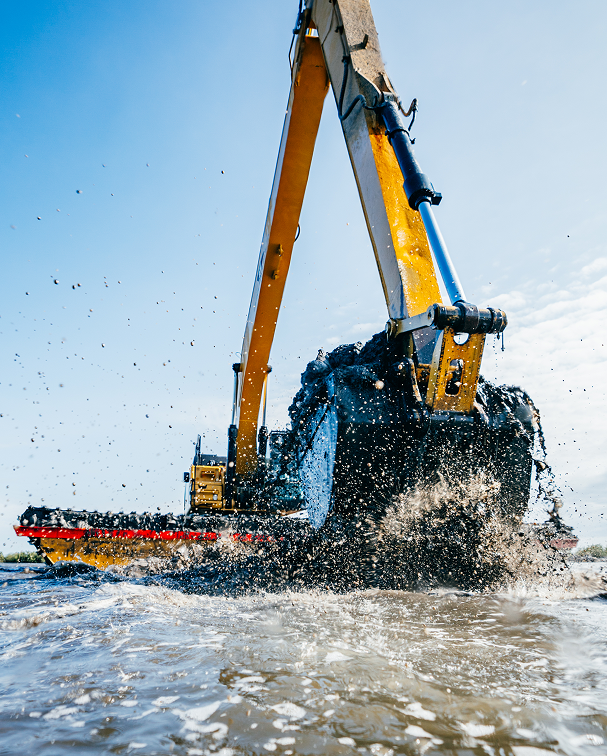
Some projects require machinery that can reach areas where ordinary tracked equipment may struggle to maintain stable access. An amphibious excavator can support a range of excavation, restoration, maintenance, and infrastructure applications.
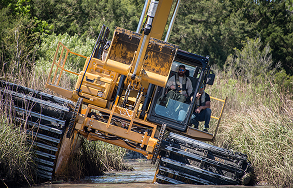
River and Bank Maintenance
Working around major waterways can involve soft banks, saturated soils, shallow water, and changing ground conditions. Amphibious equipment can provide access for excavation, bank work, and material handling near these environments.
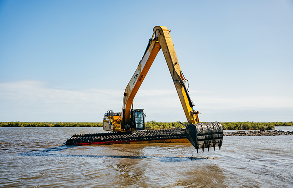
Wetland Restoration
Restoration projects may involve removing unwanted material, reshaping areas, managing vegetation, or improving habitat conditions. Specialized equipment can help crews reach work zones where ground stability limits conventional machinery.
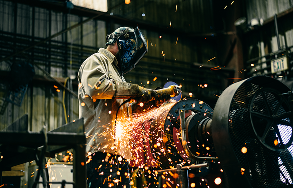
Floodplain and Drainage Projects
Flood-prone areas often present unstable access and difficult working conditions. Amphibious machinery can support drainage improvements, channel maintenance, and other work associated with water management.
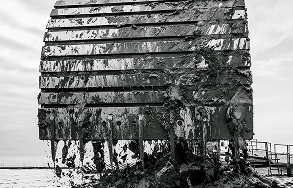
Dredging and Sediment Removal
Dredging operations may require excavation from soft banks or shallow-water positions. Long-reach configurations and suitable attachments can help operators handle sediment without positioning standard equipment directly on unstable ground.
Utility and Infrastructure Work
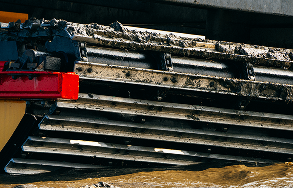
Utility corridors, crossings, and infrastructure projects can extend through areas affected by water or poor soil conditions. Amphibious equipment provides another option when maintaining access to the work area becomes a major project consideration.
Vegetation and Land Management
Clearing vegetation and managing overgrown areas can become more difficult when equipment must operate around saturated soil or standing water. The right amphibious configuration can provide access while supporting specialized attachments for site-specific work.
These applications demonstrate how specialized machinery can support projects where conventional equipment faces access or ground-bearing limitations.
Equipment Considerations Before Your Rental
Selecting an amphibious machine involves more than identifying a piece of equipment that can operate around water. The project scope, terrain, working reach, and material requirements all influence the appropriate configuration.

Ground Conditions
Consider how soft, saturated, or uneven the work area becomes during the project. Ground conditions can affect equipment selection, positioning, and overall operating requirements.

Working Reach
The distance between the machine and the excavation area matters when working beside channels, ponds, banks, or other restricted-access locations. Longer reach configurations may provide additional working distance where repositioning is difficult.

Attachment Requirements
Buckets, dredging tools, rakes, cutters, and other attachments can change how the machine performs specific tasks. Identifying the required tools early helps establish a more suitable equipment configuration.

Water and Terrain Changes
Sites may transition between dry ground, mud, shallow water, and deeper sections. Understanding these changes helps determine whether an amphibious configuration fits the operating environment.

Project Duration
The length of the work affects how you plan the equipment arrangement. Short-duration assignments and extended projects may require different rental or leasing considerations.
Planning an Amphibious Excavator Rental
A clear equipment plan helps prevent avoidable delays during mobilization. We review your project requirements, site conditions, and operational needs to identify an appropriate rental arrangement.
Outline the Scope
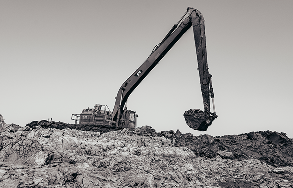
Define the excavation, dredging, restoration, clearing, or infrastructure work required. This helps establish the machine’s intended application and the capabilities needed for successful project execution.
Describe the Jobsite
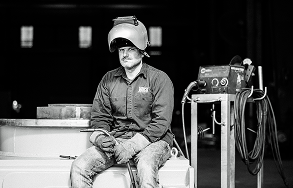
Share details about soil conditions, water depth, access routes, terrain changes, and operating areas. These factors help determine which amphibious equipment configuration suits the site.

Establish Reach and Capacity Needs
Identify the required working distance, excavation depth, material volume, and load requirements. This information helps determine the machine size, reach, and performance specifications needed.
Review Equipment Options
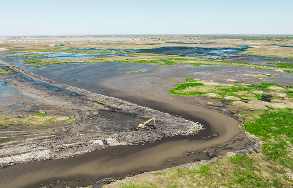
We offer standard and long-reach amphibious excavators for different applications. Reviewing available configurations helps match equipment capabilities with your project’s specific operating requirements.
Select the Rental Arrangement
Consider the expected project duration and equipment requirements when selecting rental terms. Short-term assignments and extended operations may call for different equipment arrangements and scheduling considerations.
Coordinate Mobilization
After confirming the equipment arrangement, coordinate transportation, site access, and preparation around the project schedule. Early planning helps ensure the machine arrives ready for deployment.
A detailed project assessment helps ensure the amphibious excavator rental in Arkansas aligns with the conditions and work requirements identified before mobilization.
Why Choose Our Amphibious Excavator for Rent in Arkansas?
Projects involving unstable terrain require more than ordinary excavation machinery. We focus specifically on amphibious and soft-terrain equipment, with machines manufactured at its Louisiana facilities.
- Specialized Equipment Selection: Access to amphibious excavators, cargo carriers, and long-arm configurations for different project requirements.
- Rental and Leasing Options: Equipment can be arranged for projects with different durations and operational requirements.
- Custom Equipment Development: As a reliable provider of amphibious excavator rental in Arkansas, we custom design equipment around specific project requirements.
- Purpose-Built Manufacturing: Specialty equipment is hand-built at Wilco’s manufacturing and fabrication facilities in Harvey and Lafayette, Louisiana.
- Support for Difficult Applications: Its equipment range serves dredging, wetland work, utility projects, restoration, and other soft-terrain applications.
When site conditions make conventional excavation equipment difficult to position, we help identify an amphibious configuration suited to the project’s requirements.
Frequently Asked Questions
Are amphibious excavators available for long-term projects?
As a dependable provider of an amphibious excavator in Arkansas, we offer rental and leasing arrangements, allowing customers to discuss equipment options based on project duration and requirements.
How do I arrange an amphibious excavator for rent in Arkansas?
Contact Wilco Marsh Buggies with details about your project, site conditions, equipment requirements, and schedule. Our team discusses suitable equipment and rental arrangements.
How far in advance should I request equipment?
Timing depends on equipment requirements, project duration, configuration, and transportation needs. Providing project details early allows the equipment arrangement and mobilization requirements to be reviewed before the planned start date.
What should contractors assess before mobilizing an amphibious excavator?
Review access points, soil conditions, water depth, working reach, excavation requirements, attachments, and site constraints. This information helps establish whether the selected equipment fits the planned operation.
Can an amphibious excavator move between land and water?
Amphibious excavators are designed for soft terrain and water-adjacent environments, with pontoon-based systems providing flotation and stability across suitable operating conditions. Site conditions still determine where the machine can operate.
Does site access affect amphibious equipment planning?
Yes. Entry points, transportation routes, staging areas, and the distance to the work zone can affect mobilization. Reviewing access conditions beforehand helps coordinate equipment delivery and deployment.
What types of work can long-reach amphibious excavators handle?
Long-reach configurations can support applications requiring additional working distance, including certain dredging, bank, excavation, and waterway projects where repositioning the machine frequently may be impractical.